
This article has been reviewed according to Science X's editorial process and policies. Editors have highlighted the following attributes while ensuring the content's credibility:
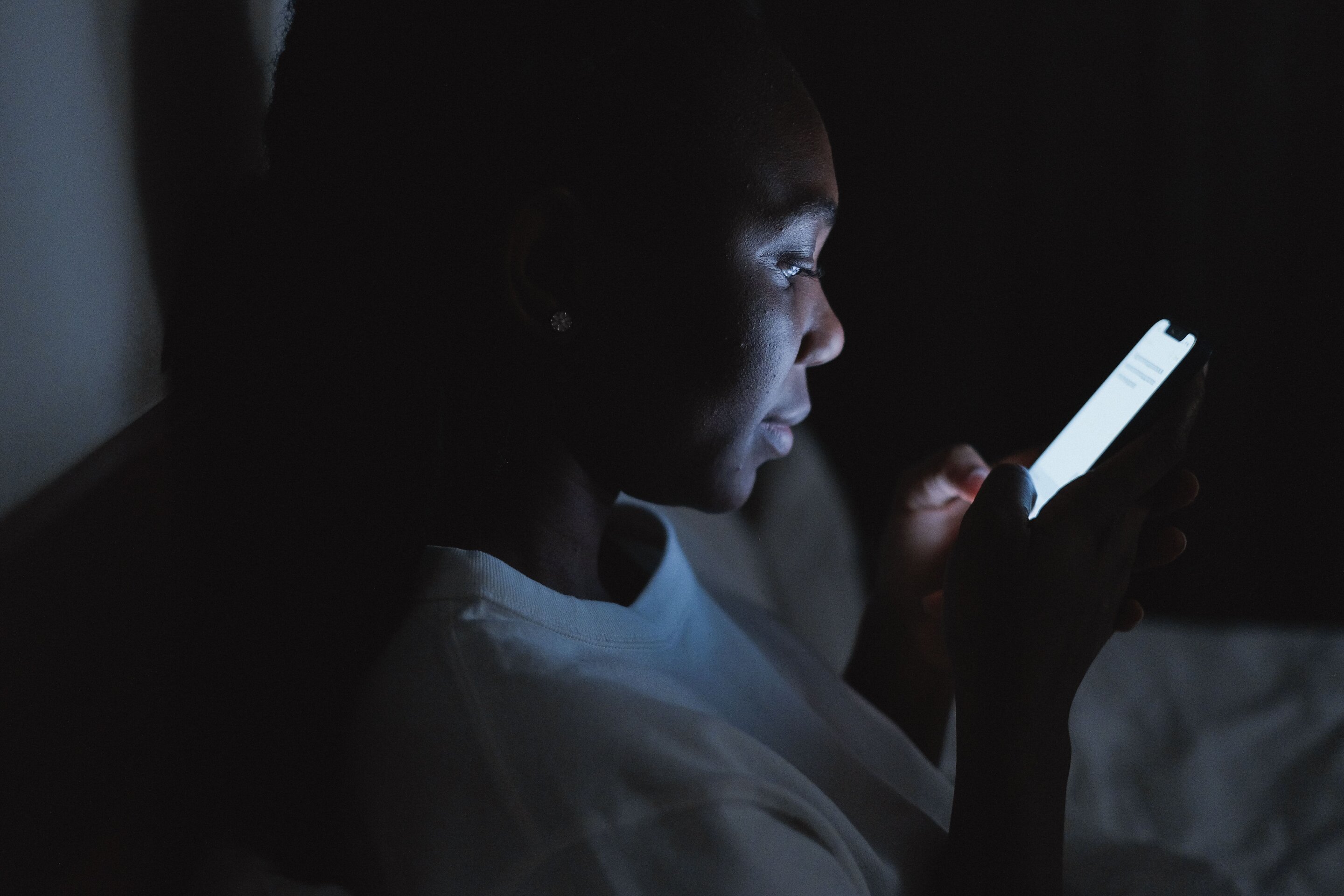
Checking the first notification after turning off the wake-up alarm, then endlessly scrolling through reels until sleepy. For many teenagers, the phone is never too far away. Excessive screen time has been linked to physical and mental health problems among teenagers, and its tentacles run deeper for the age group that is particularly vulnerable to body image issues. Scientists suspect the effects can extend beyond waking hours, reaching into an essential part of the body's daily routine: sleep.
A recent study in the Journal of Adolescent Health explored how both the timing of teenagers' phone use and what they use their phones for affect different aspects of their sleep.
The study followed 218 adolescents aged 13–18 in the U.S. Instead of asking teenagers about their phone usage habits, the researchers installed an app called RealityMeter on the teenagers' personal smartphones, which tracked activity for an average of 17.5 days. The app recorded how long they spent on different apps, the categories they belonged to and when they used them.
They found that teenagers who spent more time on their smartphones each day tended to go to bed later, sleep fewer hours and have more irregular sleep schedules between weekdays and weekends, often making up for lost sleep over the weekend. 4 fewer minutes of sleep, on average.
Source link





