This article has been reviewed according to Science X's editorial process and policies. Editors have highlighted the following attributes while ensuring the content's credibility:
Researchers have developed a laboratory cell model that mimics how the brain reacts to implanted devices, potentially offering a faster, lower-cost and more ethical way to test neural implants.
Brain implants hold enormous promise for restoring functions in people with neurological disorders. The biggest barrier to their long-term success is the body's immune response, which can form scar tissue around an implant and interfere with its ability to communicate with brain cells.
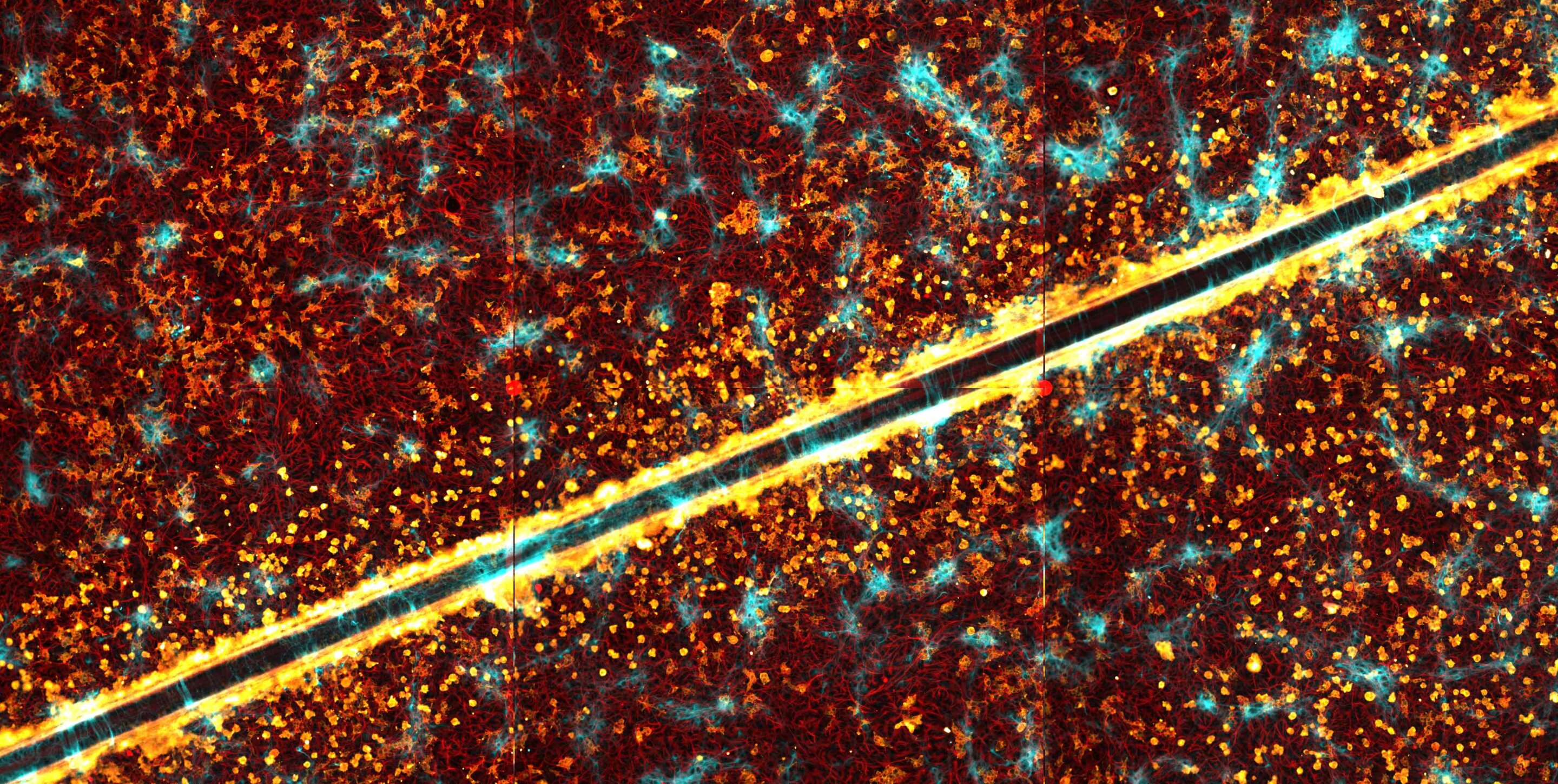
In a study published in Biomaterials, researchers have recreated the immune reaction that occurs when a brain implant is inserted, combining both brain cells and immune cells from the bloodstream in a laboratory petri dish, allowing them to study how this process unfolds.
The University of Melbourne research was co-led by Dr. Wei Tong from the School of Physics and associate professor Bryony Nayagam from the Faculty of Medicine, Dentistry and Health Sciences. The study's first author is Negin Jalilinejad, a Ph.D. student in the School of Physics.
Tong said the research is the first of its kind to propose reducing animal studies to accelerate the development of brain-machine interfaces.
"Brain implants have the potential to transform the lives of people living with neurological and psychiatric disorders, but their long-term performance remains a significant challenge," Tong said. "Testing new devices often relies on implanting them into live animals, which is ethically challenging, costly, time-consuming and does not always accurately predict what happens in humans.
Source link