This article has been reviewed according to Science X's editorial process and policies. Editors have highlighted the following attributes while ensuring the content's credibility:
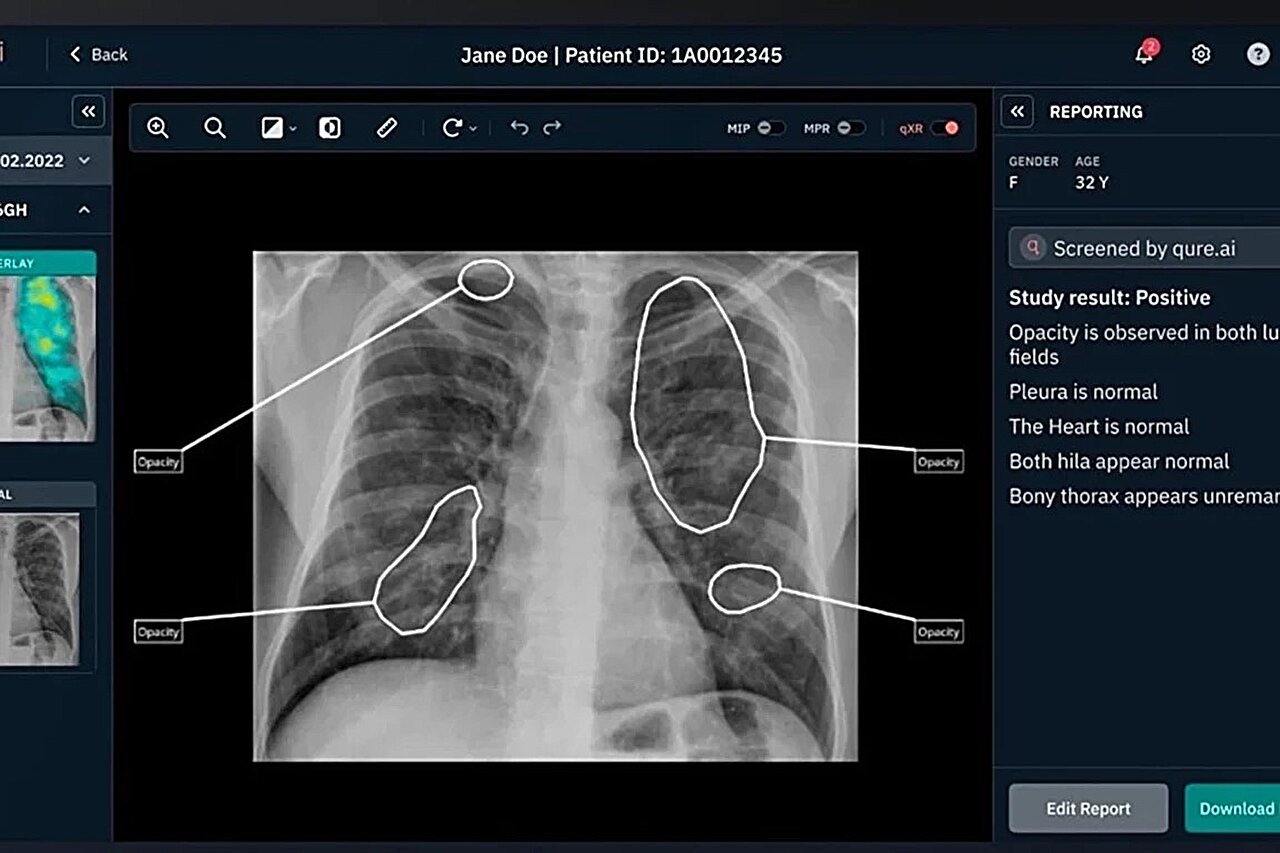
In the Philippines, public health care remains inaccessible to many because of factors including high costs and the limited availability of medical experts. A new study by Ateneo researchers explores how artificial intelligence (AI) could help address this gap by examining the cost-effectiveness of AI-assisted chest radiograph (X-ray) interpretation.
This is particularly important for people with tuberculosis (TB), because finding the disease early can mean receiving care before it becomes severe and causes irreversible damage. According to the World Health Organization, an estimated 739,000 people in the Philippines developed tuberculosis in 2024, accounting for 6.8% of the 10.8 million TB cases worldwide.
As with most other diseases, early detection is essential. In geographically isolated or disadvantaged communities and rural health units, even if a patient can get an X-ray, waiting for a radiologist or teleradiology service to interpret it may take a long time. For some, that wait can mean another trip to a health facility, additional expenses, time away from work or a missed opportunity for continued care.
Harold Henrison Chiu, Bryan Christopher Lao and Gloanne C. Adolor published their research, "Cost-effectiveness evaluation of artificial intelligence-assisted chest radiograph interpretation for tuberculosis screening in rural health units in the Philippines," in the August 2026 issue of BMC Health Services Research.
The researchers developed a decision-analytic model based on a theoretical annual cohort of 1,000 patients with suspected TB undergoing chest radiography in rural health units.
Source link