This article has been reviewed according to Science X's editorial process and policies. Editors have highlighted the following attributes while ensuring the content's credibility:
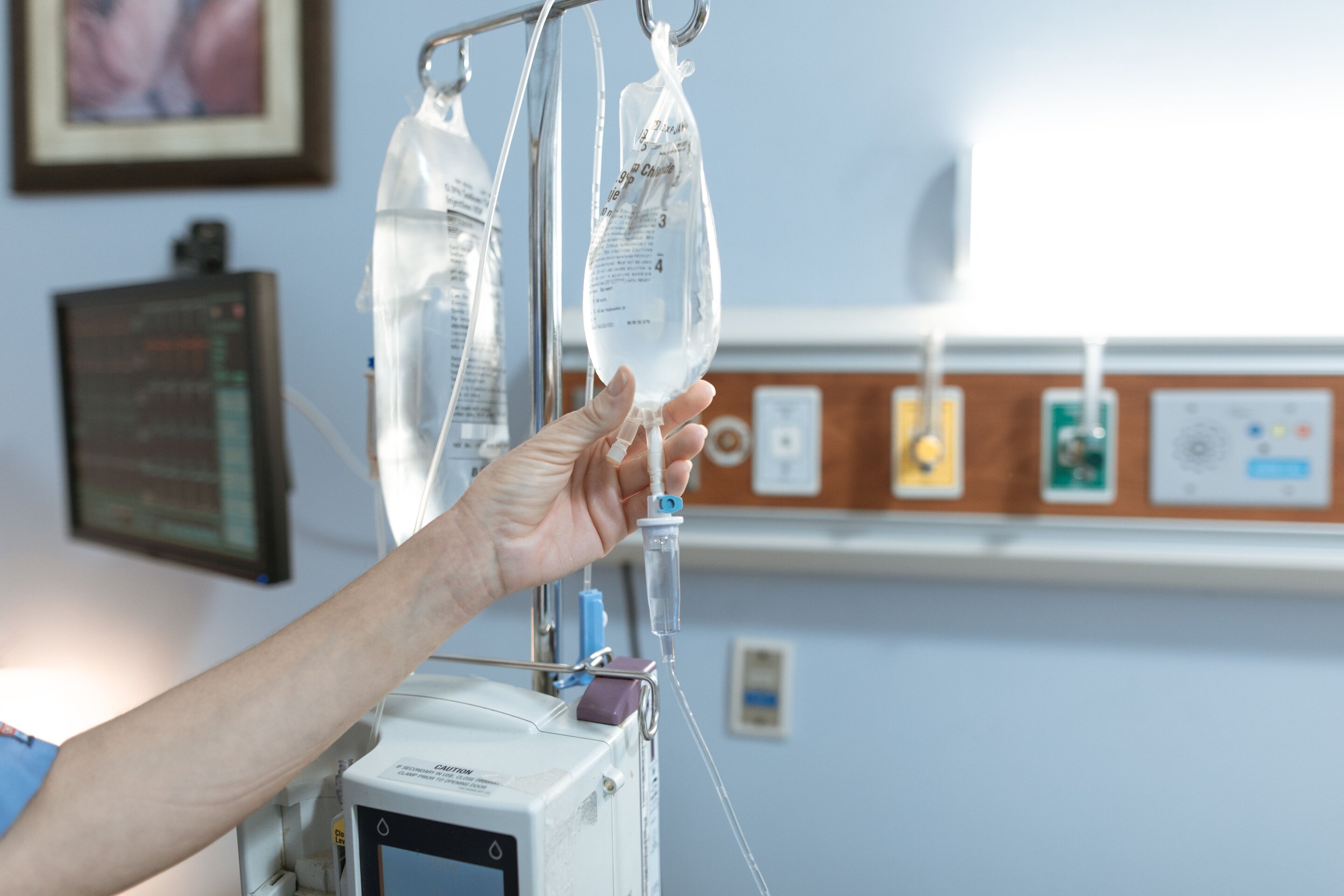
A phase 2b clinical trial led by Mass General Brigham Heart and Vascular Institute researchers shows that a monoclonal antibody therapy called MAR001 can significantly reduce triglyceride levels within 12 weeks for patients with high triglyceride levels. Their results are published in the New England Journal of Medicine and were presented simultaneously at the American Heart Association's annual meeting.
"Despite advances in lipid-lowering therapy, many patients continue to have elevated triglyceride levels and cardiovascular risk," says lead author Michelle O'Donoghue, a cardiologist with the Mass General Brigham Heart and Vascular Institute and senior investigator in the Thrombolysis in Myocardial Infarction (TIMI) Study Group. "Our findings suggest that MAR001 may be able to safely and effectively lower triglycerides."
Several classes of drugs have been previously shown to lower triglycerides, but MAR001 is novel because it targets ANGPTL4, a protein that naturally inhibits lipoprotein lipase, an enzyme that breaks down triglycerides.
The researchers tested the effectiveness of three different doses of MAR001 in 235 participants with elevated triglyceride levels. Participants were randomly assigned to receive either a placebo or 300, 450 or 900 mg of MAR001 subcutaneously every four weeks for 24 weeks. The trial was designed by the Mass General Brigham Thrombolysis in Myocardial Infarction (TIMI) Study Group with the sponsor Marea Therapeutics, and participants received treatment at 48 centers across the United States, Canada, Australia and New Zealand.
Source link