This article has been reviewed according to Science X's editorial process and policies. Editors have highlighted the following attributes while ensuring the content's credibility:
Schizophrenia is often described as a list of separate problems. People may perceive the world differently, act on their surroundings differently or speak in ways that are hard to follow. A new study has found that a single brain signal may help explain a range of seemingly unrelated schizophrenia symptoms.
Published in Science Advances, the study identified a common mechanism underlying all three symptoms. The findings emerged from a collaboration among researchers at McGill University, the McConnell Brain Imaging Center, the University of Montreal, the Research Center of the University of Montreal Health Center and the Douglas Research Center.
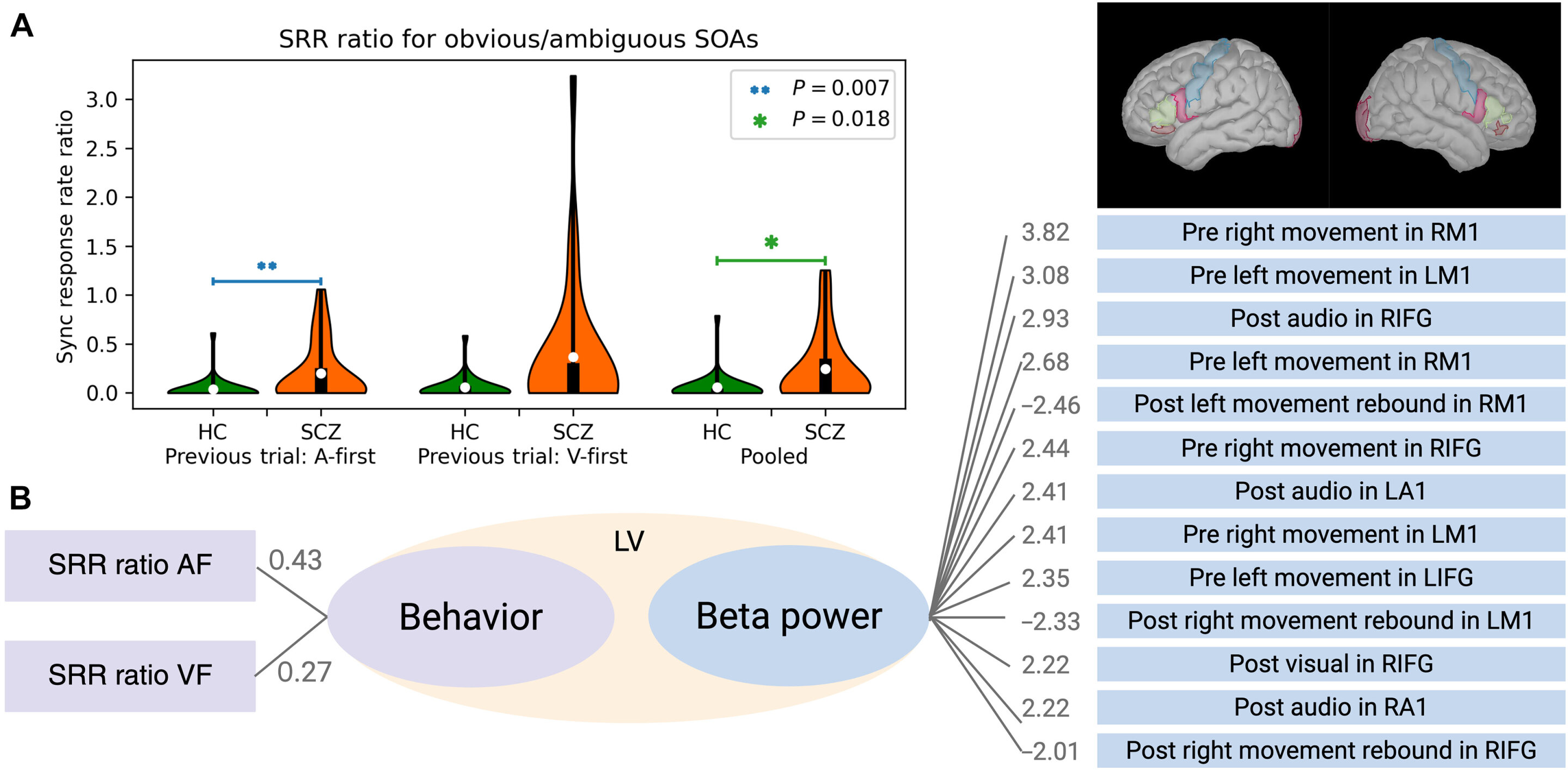
Researchers measured beta-band brain activity in 25 people with schizophrenia and 25 members of a healthy control group while they completed a task involving the timing of sights and sounds. Their speech was also analyzed for signs of disorganization.
Compared with members of the control group, schizophrenia patients showed weaker and slower beta-band activity. Notably, patients with the greatest differences in this brain signal tended to have more difficulty processing the timing of sights and sounds, more disorganized speech and more severe clinical symptoms, three features of schizophrenia that are normally studied separately.
"This gives us early but compelling evidence that measuring the brain's operations, especially how it builds and revises its own model of the world, may help us appreciate that there is a common thread behind the confusing array of symptoms we see in disorders like schizophrenia," said Dr.
Source link