
This article has been reviewed according to Science X's editorial process and policies. Editors have highlighted the following attributes while ensuring the content's credibility:
Antipsychotics are used to treat schizophrenia, along with bipolar disorder and major depressive disorder. However, these medications can be associated with hyponatremia, a serious reduction in blood sodium levels.
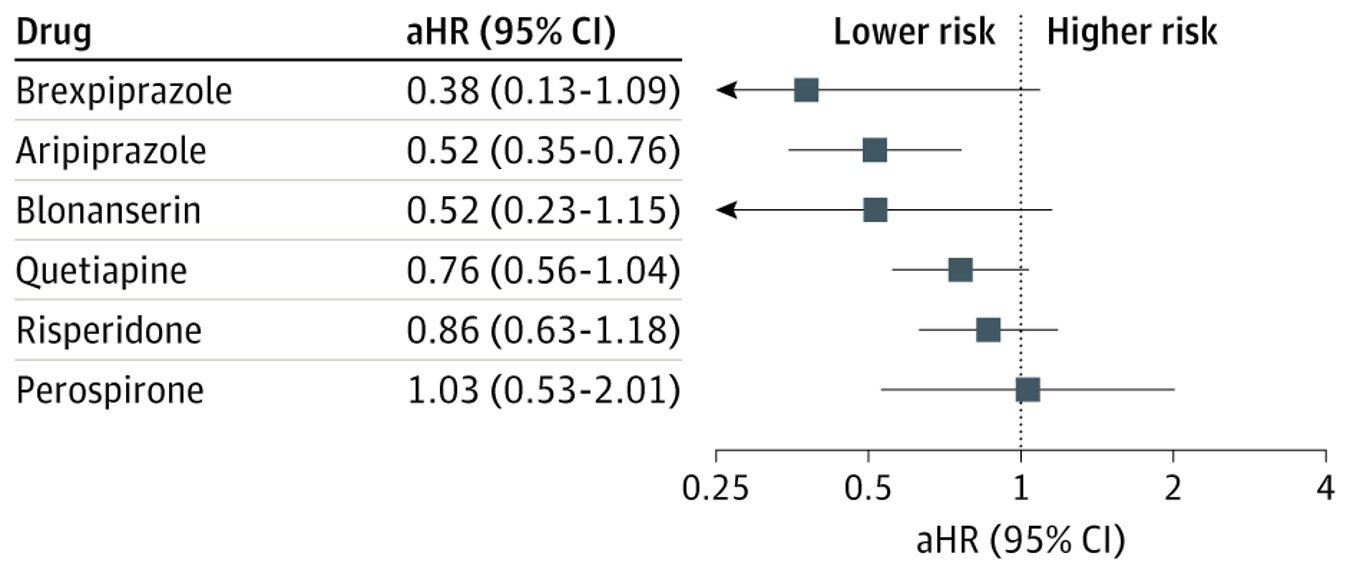
Although second-generation antipsychotics may carry a lower risk of hyponatremia than first-generation antipsychotics, it remains unclear whether this risk differs among individual second-generation medications.
Addressing this question, a research team led by associate professor Masakazu Hatano from the Department of Pharmacotherapeutics and Informatics at Fujita Health University School of Medicine in Japan, along with Dr. Takenao Koseki, Dr. Takeo Saito and Dr. Shigeki Yamada, all affiliated with the same institution, compared the risk of hyponatremia associated with individual second-generation antipsychotics.
"Hyponatremia is a safety concern associated with antipsychotic use, but comparative evidence among individual second-generation antipsychotics remains limited," says Hatano.
"We therefore adopted a two-stage approach. First, we used a spontaneous reporting system to generate hypotheses regarding hyponatremia risk among individual second-generation antipsychotics; second, we used a claims database to evaluate the associations obtained from the spontaneous reporting system."
The researchers first examined reports from the U.S. Food and Drug Administration Adverse Event Reporting System from the fourth quarter of 1997 to the third quarter of 2023, then evaluated the associations in a Japanese hospital-based claims database covering April 2008 to April 2024.
S. safety reporting analysis included 17,805,418 reports, of which 458,745 involved second-generation antipsychotic monotherapy.
Source link





