
This article has been reviewed according to Science X's editorial process and policies. Editors have highlighted the following attributes while ensuring the content's credibility:
The small intestine is constantly in flux. This 20-foot-long (6.1-meter-long) tube is lined with structures that absorb the nutrients during digestion. The cells at the tip of these structures are continuously replaced, but how they stay organized has not been well understood.
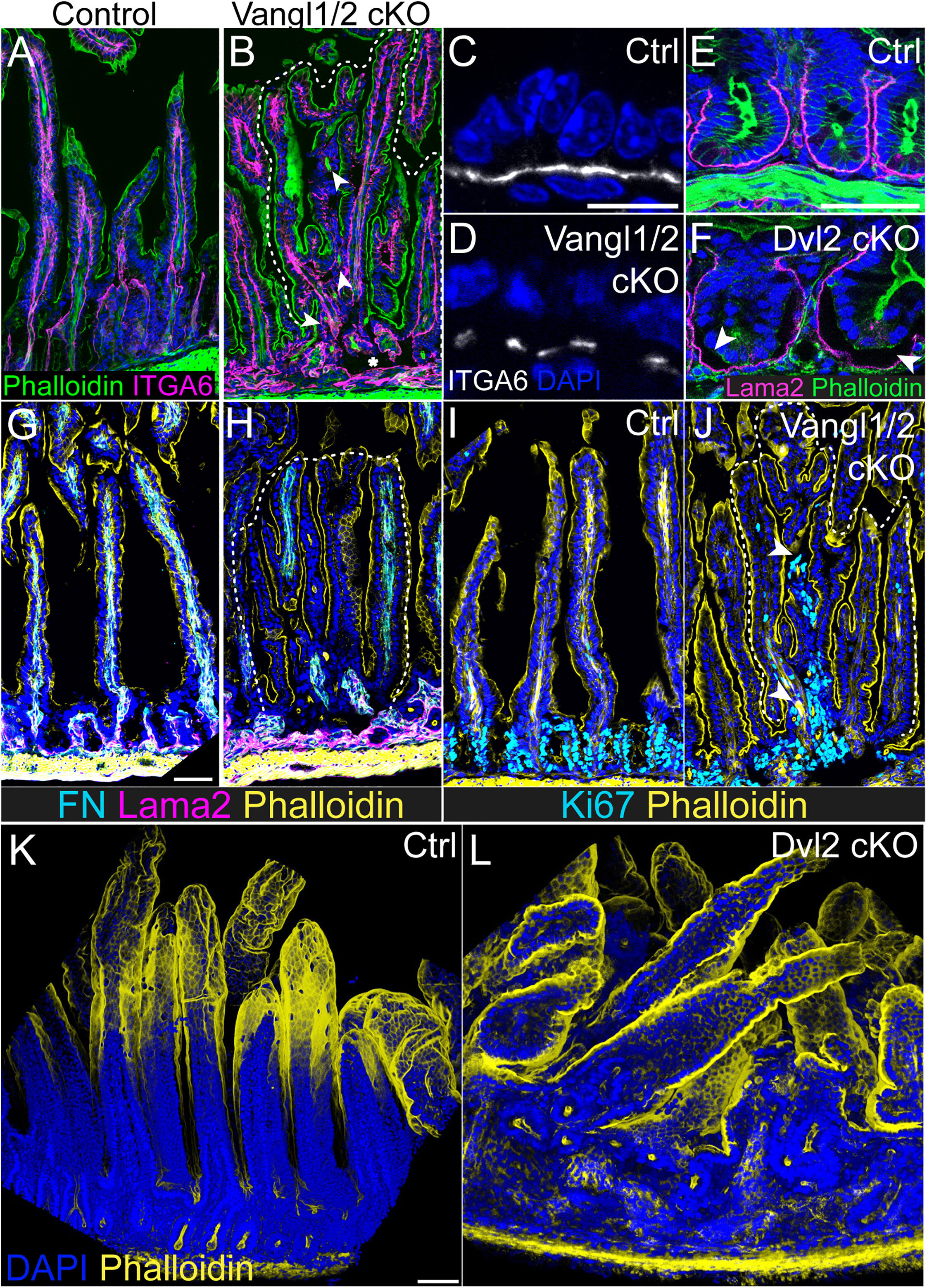
In a study published in Developmental Cell, Yale researchers found that a cellular process involved in embryo development is still active in the small intestine after birth, guiding the organ's constant replication and growth.
The small intestine needs a lot of surface area—over 300 square feet (28 square meters)—to maximize nutrient absorption. It creates this in two main ways: it's long and its interior is lined with three-dimensional, nutrient-absorbing structures called villi.
Villi are fingerlike projections into the intestinal space. Surrounding the base of each villus are pits known as crypts. Stem cells at the bottom of each crypt produce new, identical cells that form into ribbons that flow up to form the surface of the villi. And these cells are replaced every three to five days.
"The crypt is like a cup and those new cells could theoretically divide outward to make the radius of the cup bigger, or they could divide upward to make the ribbon longer. , assistant professor of genetics at Yale School of Medicine. This feature of intestinal development fascinated her and was one of the reasons she began studying the organization of intestinal cells.
Source link





