This article has been reviewed according to Science X's editorial process and policies. Editors have highlighted the following attributes while ensuring the content's credibility:
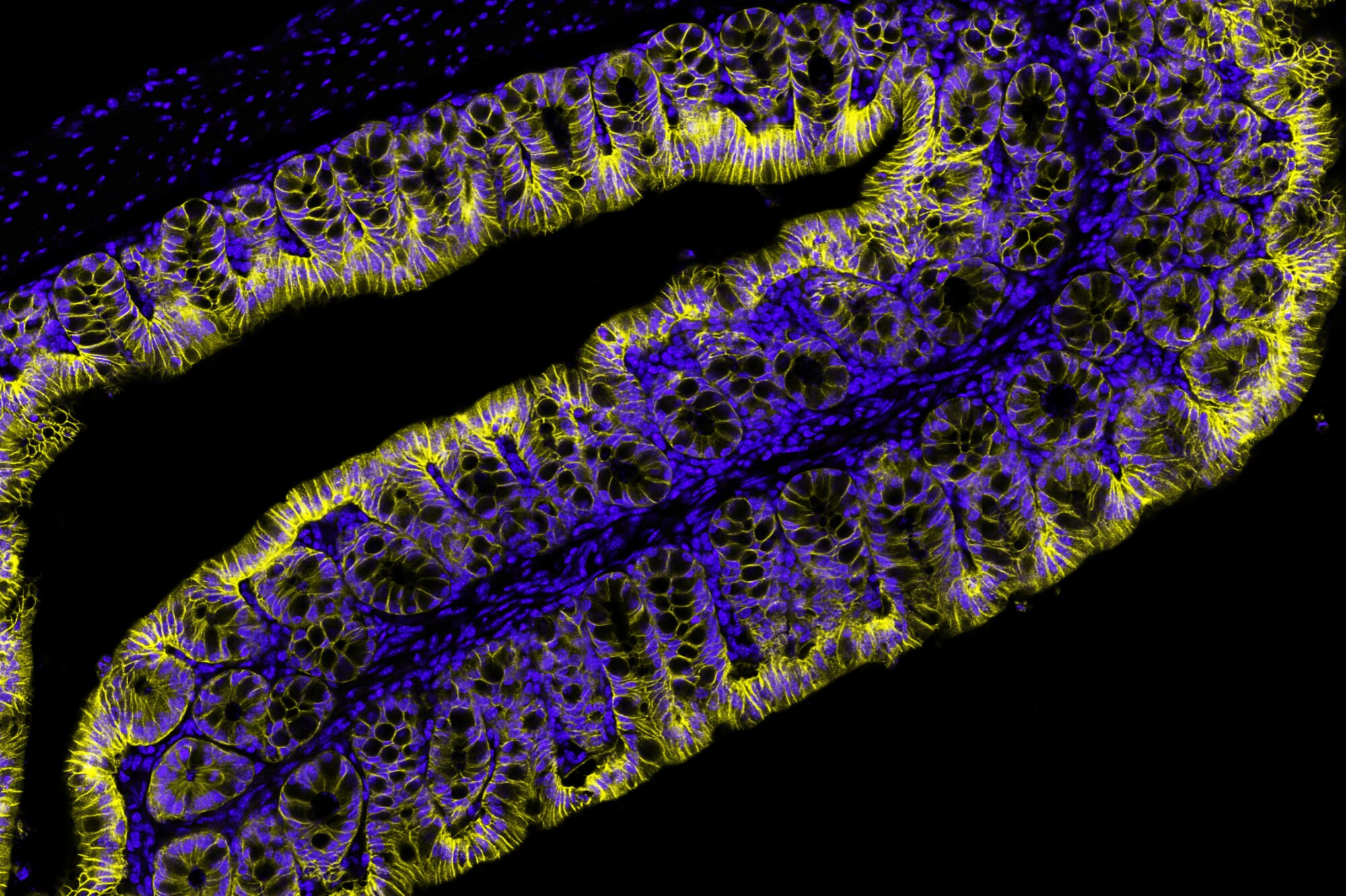
Antibodies that coat the lining of your gut may be playing an important role in preventing colon cancer from developing, Rockefeller University scientists have discovered.
Mice that lack a specific class of antibodies, called immunoglobulin A (IgA), develop more than twice as many colon tumors as usual, the team reported in Nature. The study also explained why: when the antibodies bind to the cells lining the inside of the gut, they keep those cells from dividing too quickly—which could lead to cancer.
When the researchers gave IgA-deficient mice oral doses of the antibodies, they no longer had a higher risk of developing tumors.
"One intriguing aspect of this work is that it shows how a natural defense in the gut restrains the cell division that can lead to cancer," says senior author Daniel Mucida, head of Rockefeller's Laboratory of Mucosal Immunology. "Most cancer research focuses on trying to destroy a tumor that already exists, but what if we could intervene before tumors form?"
The discovery illuminates why people with IgA deficiency—who have few or none of these antibodies—are at a higher risk of developing colorectal cancer but also could shed light on other aspects of the complex interplay between the gut microbes, immune system and cancer—even in otherwise healthy people.
Scientists and clinicians have long known that the gut has high levels of IgA.
Source link