This article has been reviewed according to Science X's editorial process and policies. Editors have highlighted the following attributes while ensuring the content's credibility:
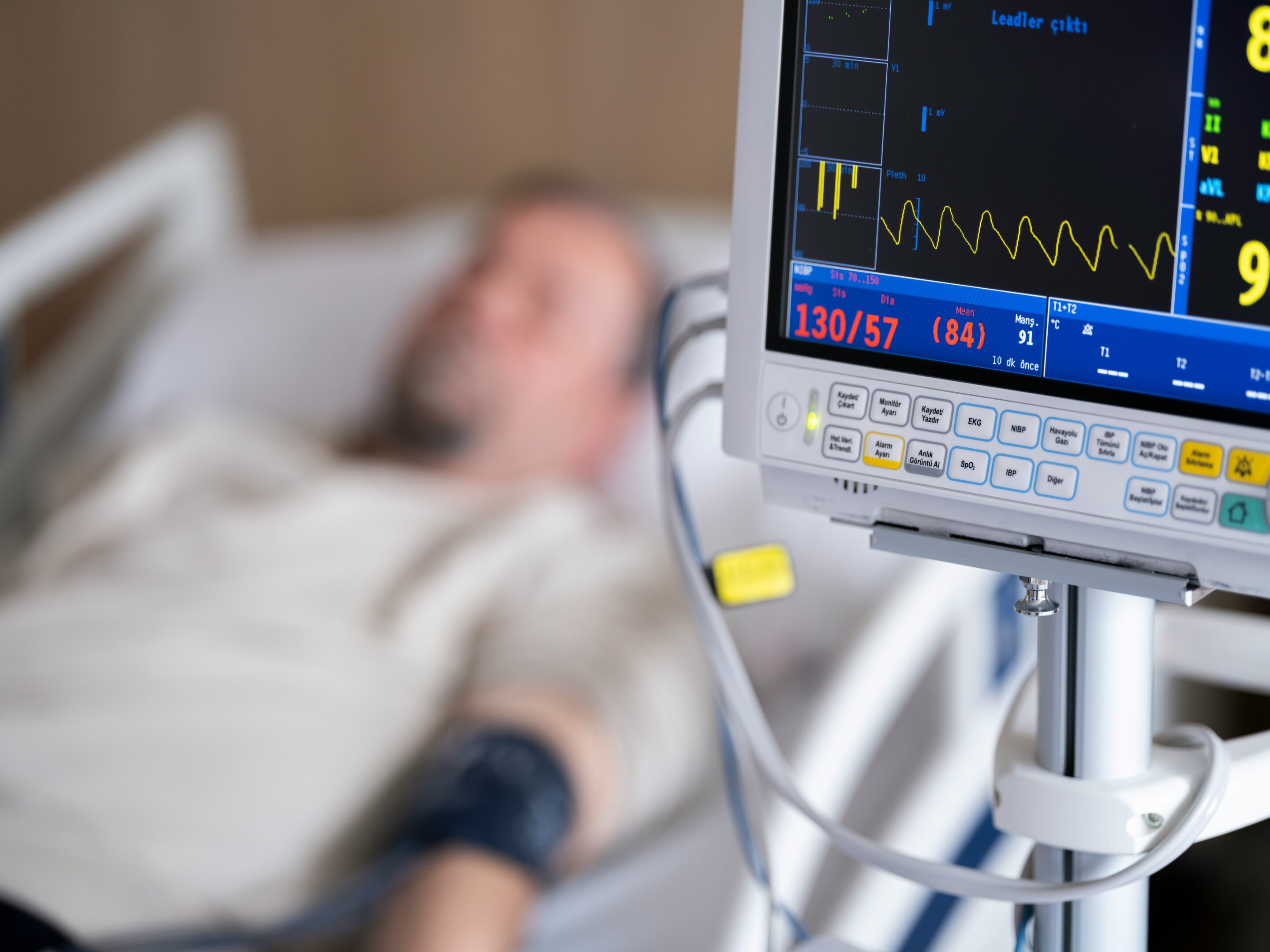
Critically ill patients often develop anemia in the hospital, whether their hemoglobin levels are considered low upon admission or fall during their stay. Although seemingly minor compared to their other health issues, the blood loss is directly tied to a variety of poor patient outcomes.
A single-site study at a southwest Florida hospital found that 64% of patients in the intensive care unit (ICU) developed hospital-acquired anemia (HAA), which the research team defined as a decline of 10% or greater in hemoglobin levels while in the ICU. ICU stays were significantly longer for these patients than for those who did not have HAA.
The study, "Determining the Prevalence of Hospital-Acquired Anemia in the Intensive Care Unit at a Florida Hospital" published in the American Journal of Critical Care (AJCC), was conducted at Lee Memorial Hospital, Fort Myers, Florida, a 336-bed acute care hospital established in 1916. It is part of Lee Health, a community-focused nonprofit health system that provides care throughout southwest Florida.
Co-author Darnella Adams, DNP, MSN, RN, PCCN, is a clinical nurse and chair of the hospital's Nursing Research and Evidence-Based Practice Council.
"Hospital-acquired anemia is a serious, often overlooked threat that directly drives up ICU length of stay, morbidity and mortality," she said.
Source link