This article has been reviewed according to Science X's editorial process and policies. Editors have highlighted the following attributes while ensuring the content's credibility:
Alcohol-related liver disease (ALD) is characterized by hepatocellular injury, oxidative stress, inflammation and extracellular matrix remodeling, yet effective therapies remain limited. New research in The American Journal of Pathology, found that a single dose of liver matrix-bound nanovesicles (MBVs) derived from healthy porcine tissue reduced liver injury, fat accumulation and oxidative stress in alcohol-fed mice, pointing to a possible new therapeutic strategy for ALD.
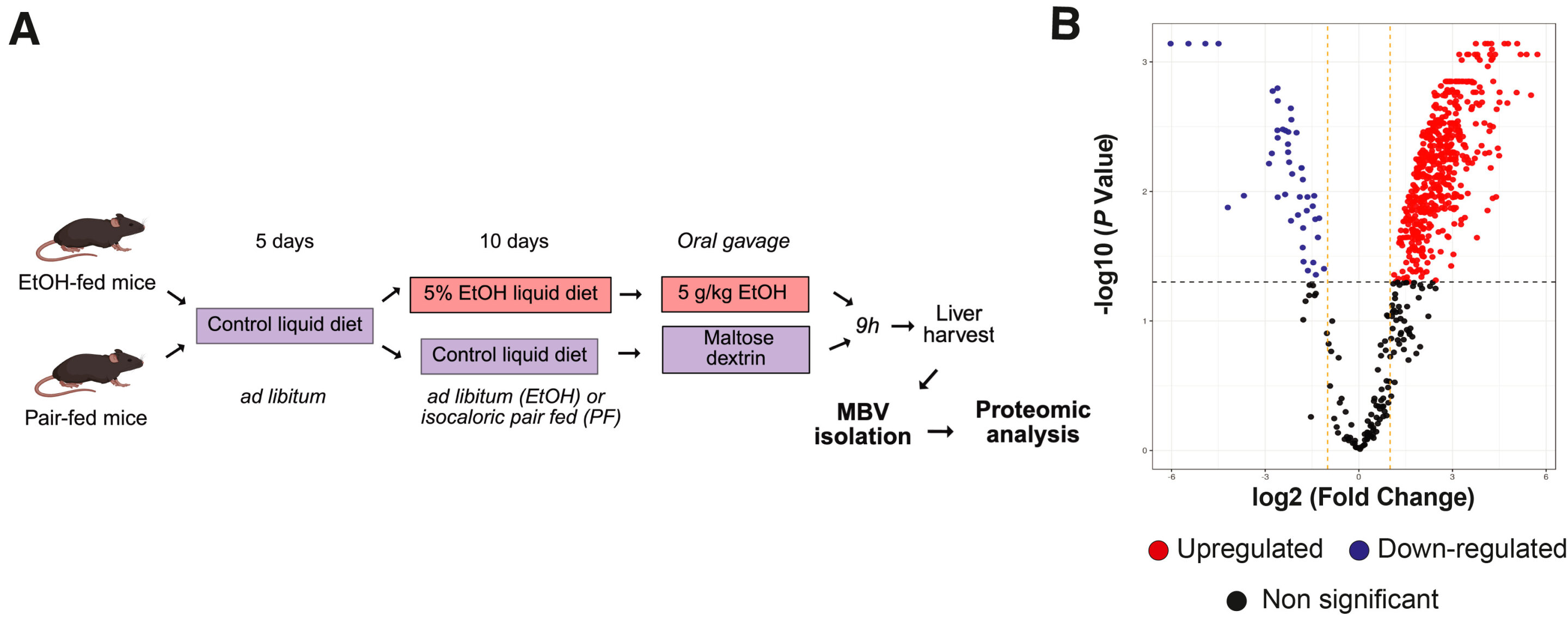
MBVs are bioactive vesicles embedded within the extracellular matrix (ECM) that contribute to tissue repair and immunomodulation. While the ECM has traditionally been viewed as a passive scaffold, this new research shows it plays an active role in liver disease. This new study has found that alcohol exposure substantially changes the protein cargo carried by liver MBVs; proteins related to normal matrix structure decreased, while proteins tied to metabolic stress, detoxification and inflammatory signaling increased.
Co-lead investigator Melanie J. Scott, M.D., Ph.D., Department of Surgery, University of Pittsburgh, explains, "Our group's prior work showed that matrix remodeling is an early, dynamic event in ALD, often preceding fibrosis. MBVs had already been shown to carry bioactive cargo and modulate immune responses in other injury contexts, but no one had asked whether they play a role in the liver, or whether alcohol changes what they carry."
The investigators used a mouse model of chronic-plus-binge alcohol feeding—the standard model for early alcohol-related liver injury.
Source link