
This article has been reviewed according to Science X's editorial process and policies. Editors have highlighted the following attributes while ensuring the content's credibility:
Individuals with HIV show signs of faster biological aging compared with people without HIV. In other words, indicators of bodily functions that can be measured in the blood appear more like those of an older individual than those of someone the same age.
Some studies have suggested that getting the virus under control can restore those indicators to age-appropriate levels, but researchers at WashU Medicine found in a new study that age biomarkers of people with HIV whose infection is well controlled by medication still appear older, suggesting that treatment doesn't fully close the aging gap. These blood-based measures also corresponded with signs of brain aging on MRI scans and with performance on some tests of brain function.
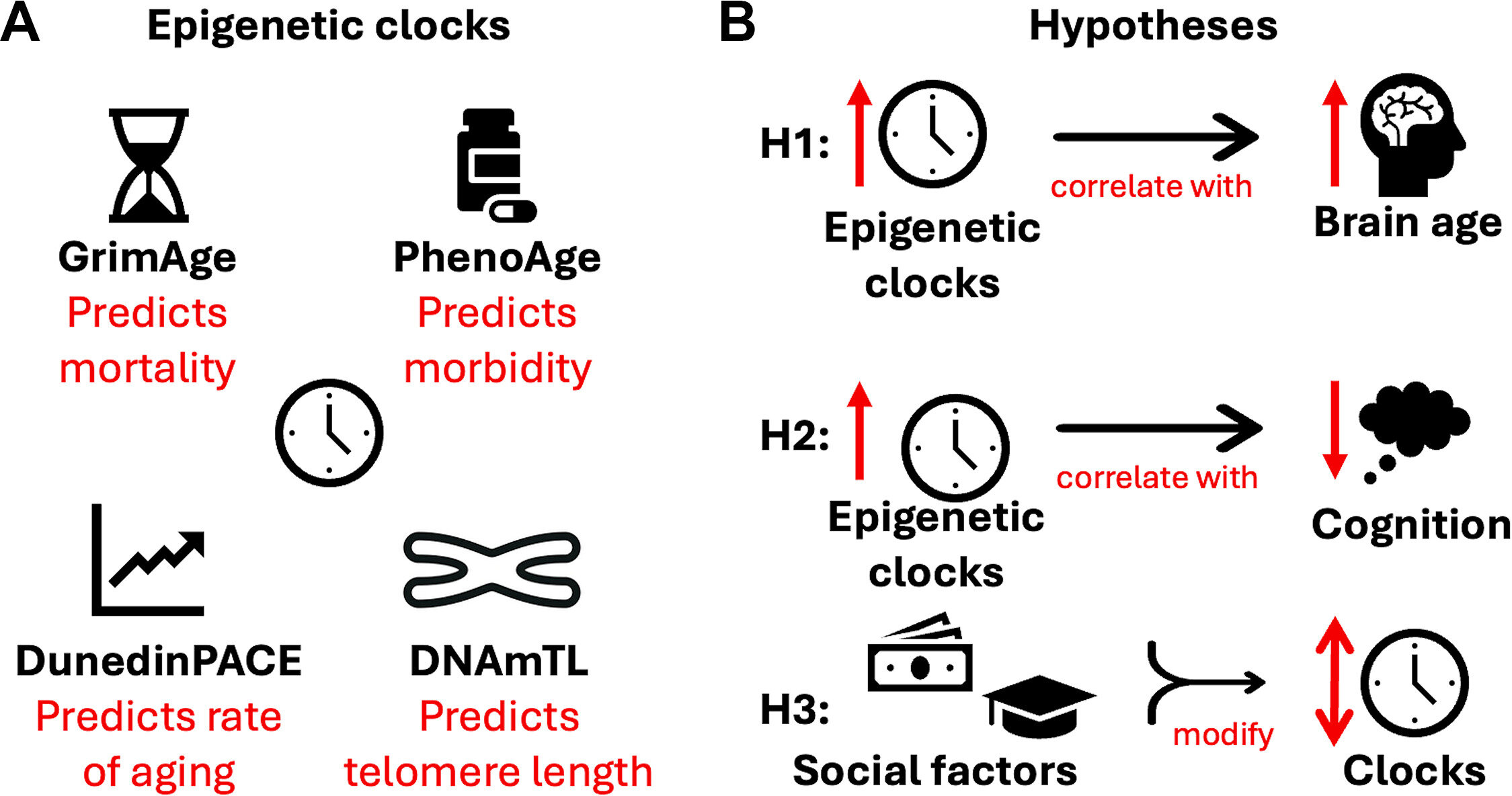
The study, led by first author Kalen Petersen, Ph.D., an assistant professor of neurology, and senior author Beau Ances, M.D., Ph.D., the Melba and Forest Seay Professor of Clinical Neuropharmacology, examined whether advanced measures of biological aging align with brain aging and evaluated how HIV-driven aging relates to social and behavioral health factors.
The team analyzed blood samples, brain scans and cognitive tests from 126 people with HIV whose virus was suppressed by antiretroviral therapy and 145 people without HIV.
Compared with people without HIV, people with HIV were about two years older biologically and aging about 5% faster, even after accounting for age, sex, race and other factors.
Source link





