This article has been reviewed according to Science X's editorial process and policies. Editors have highlighted the following attributes while ensuring the content's credibility:
A study of more than 2.7 million marathon performances found that higher levels of air pollution on race day were associated with significantly slower finishing times, with recreational runners affected more than elite athletes.
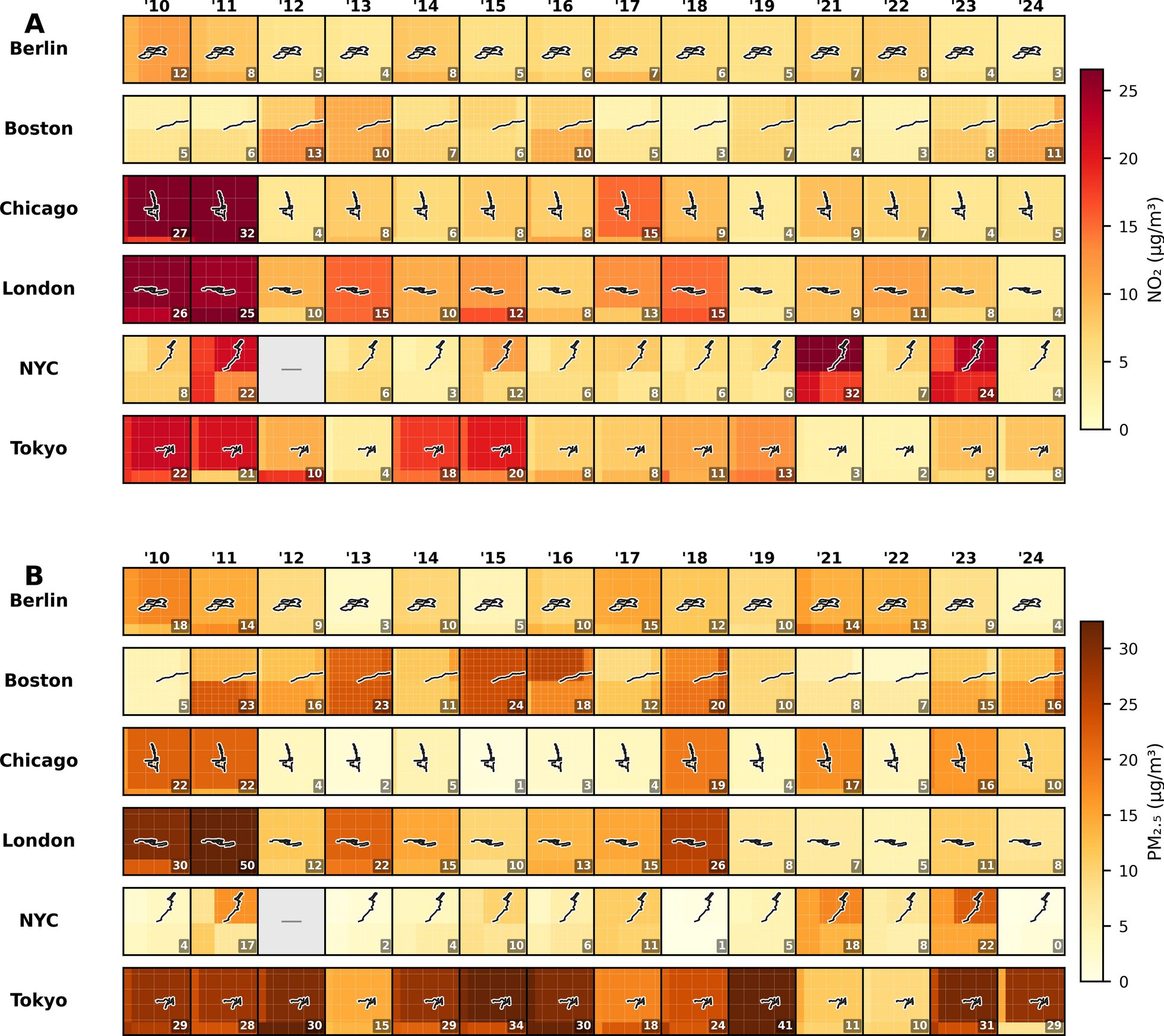
Researchers at the University of Leicester analyzed 2,756,553 net finishing times from six World Marathon Majors (Berlin, Boston, Chicago, London, New York City and Tokyo) held between 2010 and 2024. The study is published in the journal Sports Medicine—Open.
The study was led by Dr. James Donaldson and involved several University of Leicester investigators, including professor Andre Ng, Dr. Samuel Cai and professor Anna Hansell. It was published in Sports Medicine Open in September 2026.
Donaldson, a postdoctoral researcher in health and the environment at the University of Leicester, said, "Nitrogen dioxide is a pollutant mainly produced by road traffic and combustion processes, while fine particulate matter consists of tiny airborne particles that can be generated by vehicle emissions, industry, heating and other sources. Both pollutants have been linked to adverse health effects, particularly on the heart and lungs.
"From our analysis of more than two million marathon runners, we observed that levels of nitrogen dioxide were strongly associated with their finishing times.
Source link