
This article has been reviewed according to Science X's editorial process and policies. Editors have highlighted the following attributes while ensuring the content's credibility:
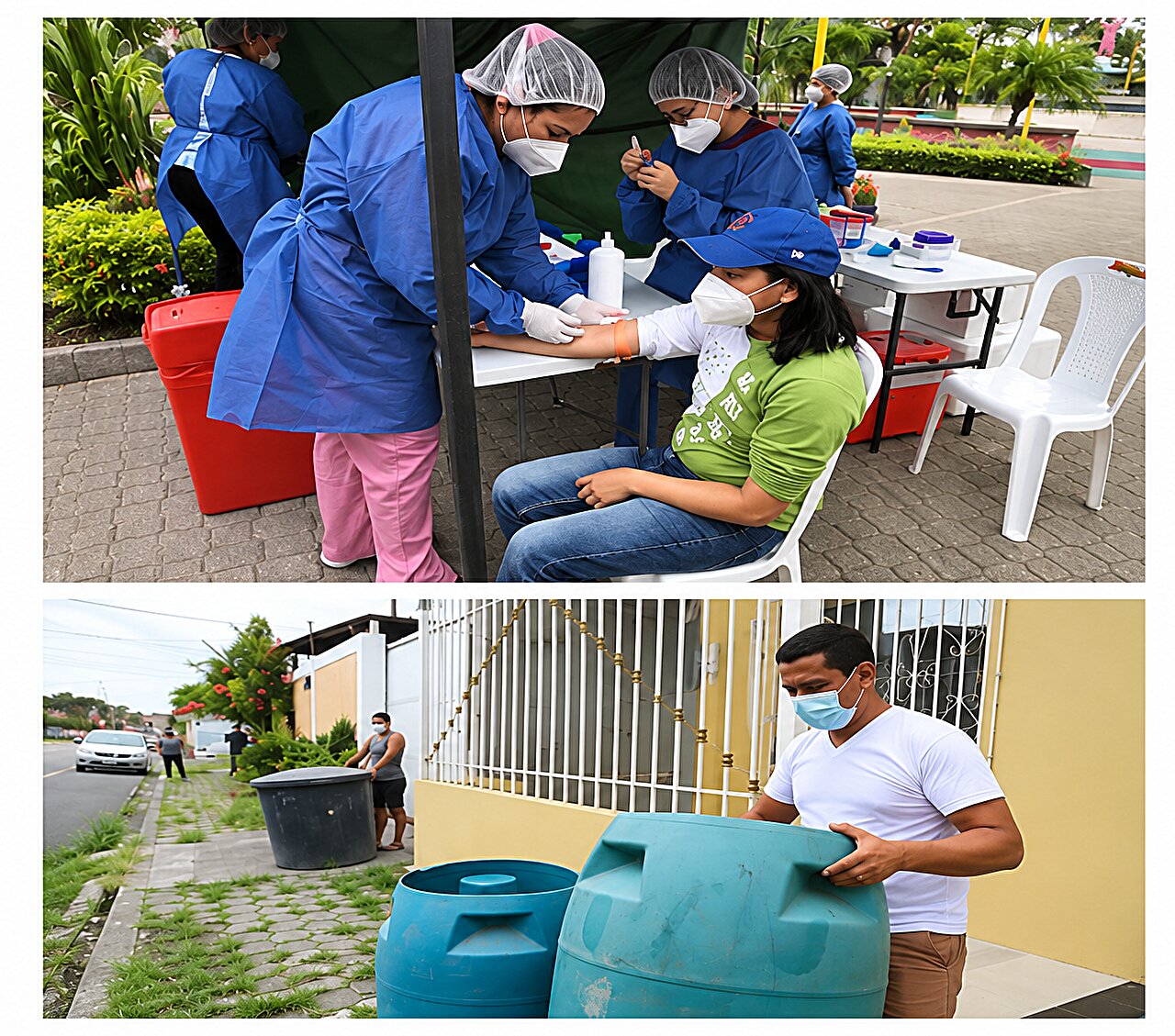
The COVID-19 pandemic exposed profound inequalities in health care systems across Latin America, disproportionately affecting marginalized communities. In this context, a team of researchers analyzed the vaccination campaign in Durán, a satellite city of Guayaquil, Ecuador, characterized by significant social and economic challenges, where nearly 30% of the population lives in extreme poverty. The study aimed to understand how factors related to equity, knowledge and trust influenced access to immunization. The paper is published in the journal Vaccine.
The findings revealed that 83.9% of the 341 respondents had received at least one vaccine dose, an encouraging figure consistent with national averages. A key finding was the high level of trust in health care professionals (73.6%) as a primary source of information. However, this willingness to be vaccinated contrasted with limited knowledge about the virus: 41.1% of respondents were unaware of the three main routes of transmission, while nearly 50% did not know the incubation period between infection and the onset of symptoms.
Despite the high prevalence of chronic conditions among the study population, including hypertension (32%), obesity (19.4%) and diabetes (18.8%), the study found no statistically significant correlation between individuals' perceived personal risk and their actual susceptibility to developing severe COVID-19.
These findings suggest that, although individuals trust health authorities and accept vaccination, they may not fully understand their own vulnerability to severe disease.
Source link





