This article has been reviewed according to Science X's editorial process and policies. Editors have highlighted the following attributes while ensuring the content's credibility:
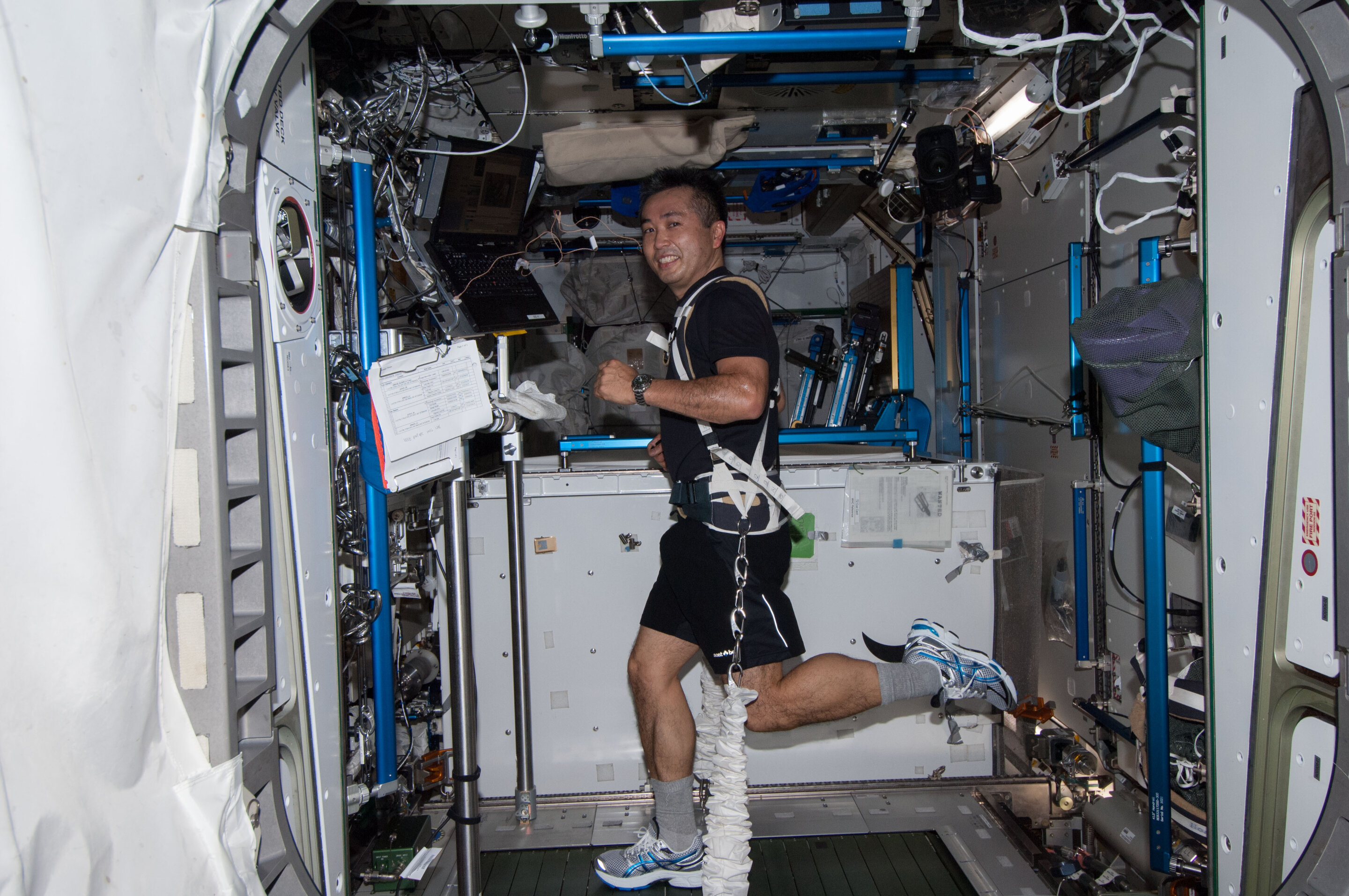
A trip to Mars may be more feasible than previously thought, suggests a new study led by Northwestern Medicine, UT Southwestern and UT Houston that tracked the heart function of 13 astronauts during roughly six-month missions aboard the International Space Station.
A major question facing NASA in its plan to send astronauts to the red planet has been whether their cardiovascular systems could handle the transition from weightlessness in spaceflight (known as microgravity) to arrival on a planet where gravity is about one-third as strong as on Earth.
The new study found that the astronauts adapted well to microgravity during spaceflight—thanks to intense daily workouts—and showed no major signs of cardiovascular strain under simulated Martian gravity upon their return from space.
"With our findings, there is now reason to think that we would be able to traverse to Mars, get there and actually work on the surface of Mars," said study senior author Dr. James Thomas, professor of medicine in the division of cardiology at Northwestern University Feinberg School of Medicine.
The study, published last month in the journal Circulation, is the first to examine how the heart responds to simulated Martian gravity after prolonged exposure to microgravity.
Many astronauts returning from previous space missions struggled with dizziness and lightheadedness upon standing up when reentering a gravitational environment. That transition can cause a sudden drop in blood pressure, a phenomenon known as orthostatic hypotension.
Source link