This article has been reviewed according to Science X's editorial process and policies. Editors have highlighted the following attributes while ensuring the content's credibility:
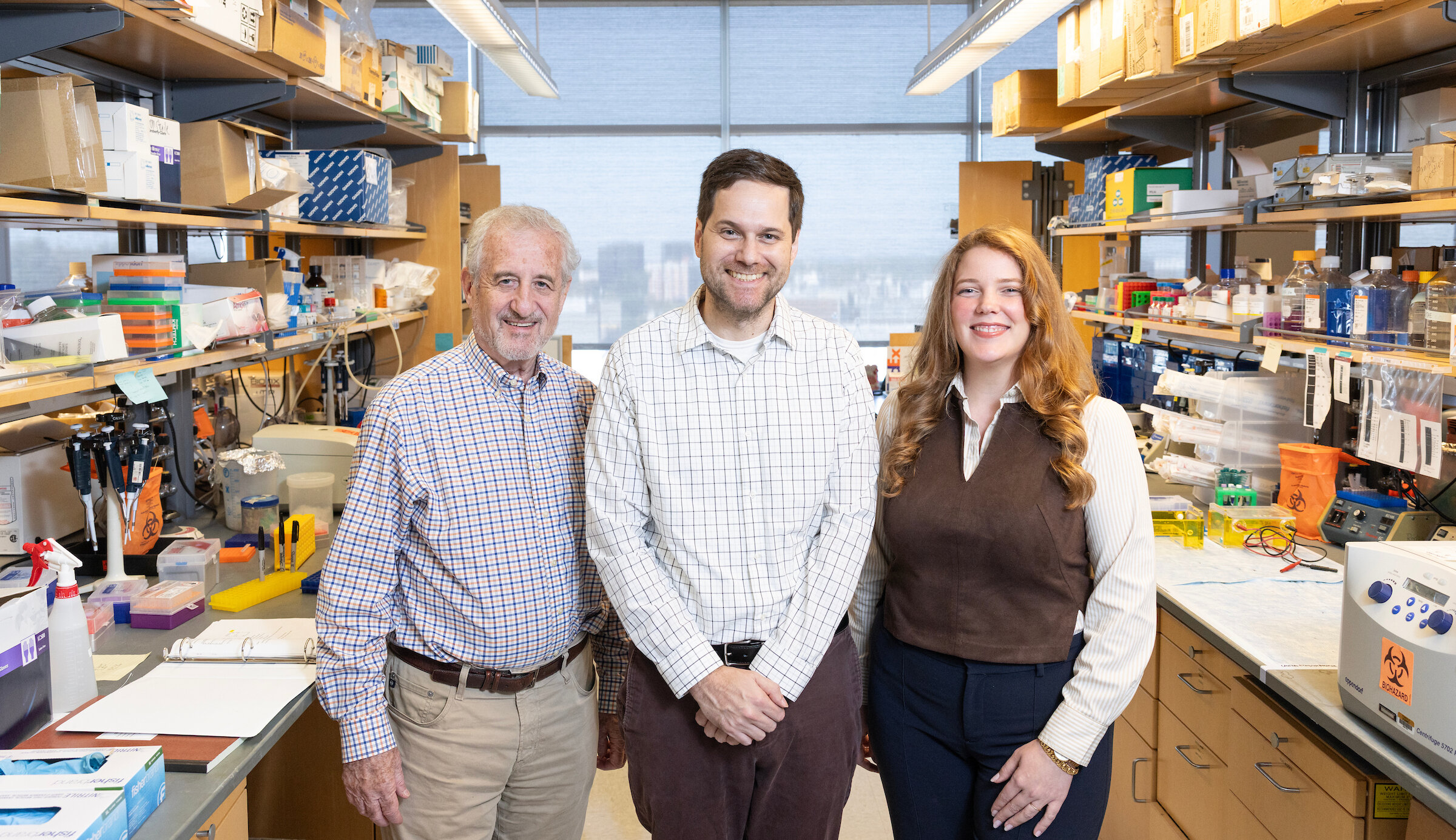
People who develop pancreatic cancer experience measurable changes in body composition years before diagnosis that differ from those seen in similar individuals without cancer, according to a Mayo Clinic study led by former Mayo Clinic research fellow Aleksander Bogdanski and published in Pancreatology.
Pancreatic cancer remains one of the deadliest cancers, largely because most patients are diagnosed after the disease has already spread. Current surveillance programs focus primarily on people with inherited genetic risk or strong family histories, yet most pancreatic cancers occur outside those high-risk groups.
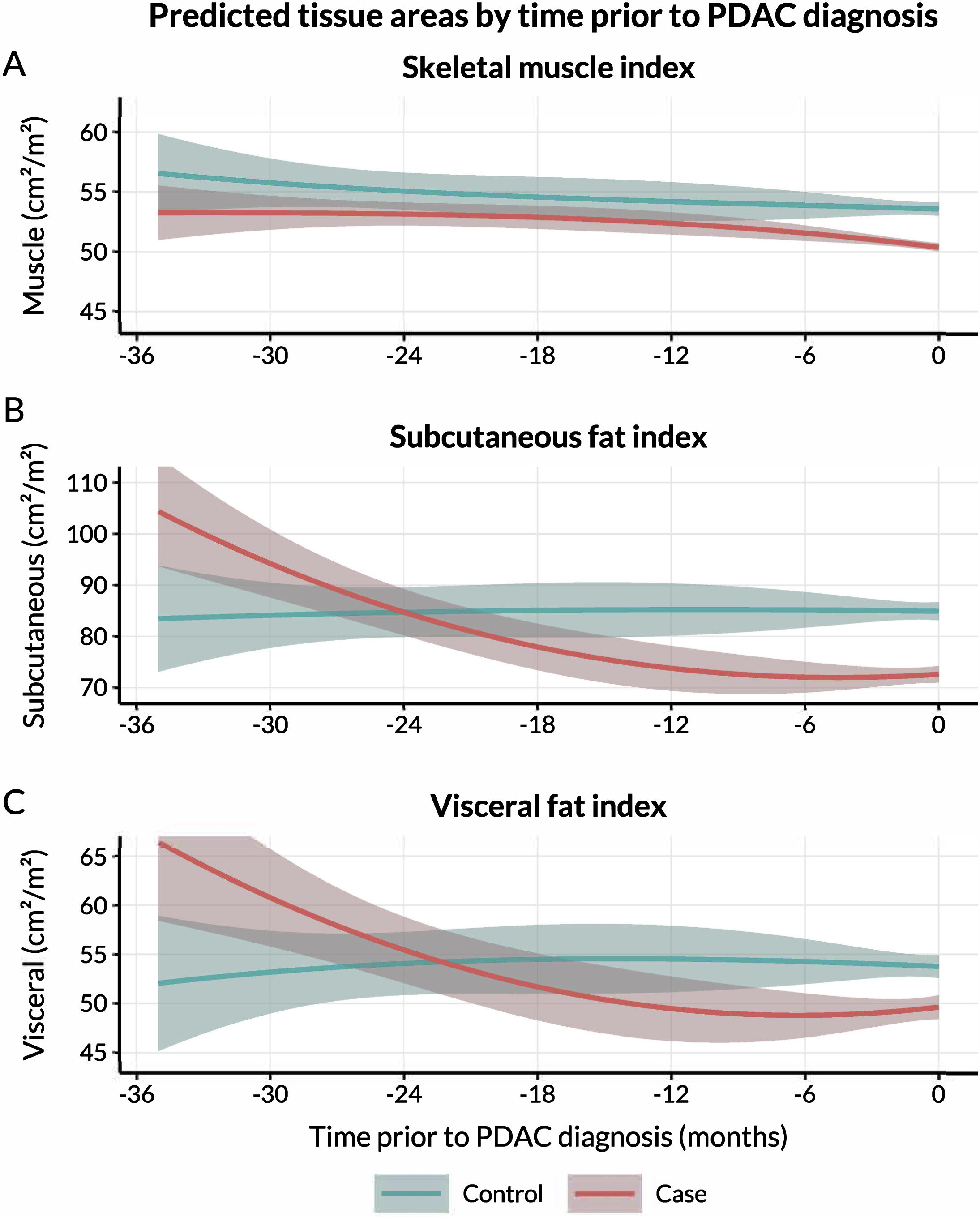
Researchers found that patients who developed pancreatic ductal adenocarcinoma (PDAC), the most common type of pancreatic cancer, experienced steeper declines in visceral and subcutaneous fat over the three years before diagnosis compared with matched controls. The findings suggest that routinely acquired CT scans may capture physiological changes associated with pancreatic cancer before it is clinically detected. To the researchers' knowledge, this is the largest controlled study to examine prediagnostic body composition trajectories in patients who later developed pancreatic cancer.
The study analyzed abdominal CT scans from 1,825 patients with pancreatic ductal adenocarcinoma and 3,650 matched controls from Mayo Clinic sites in Arizona, Florida and Minnesota. Using an artificial intelligence–based body composition tool, researchers measured changes in skeletal muscle, subcutaneous fat and visceral fat over time.
, a gastroenterologist at Mayo Clinic and senior author of the study.
Source link