This article has been reviewed according to Science X's editorial process and policies. Editors have highlighted the following attributes while ensuring the content's credibility:
McGill researchers have developed a new way to study why the same heart failure treatment can help some patients recover while others continue to get worse.
Combining "heart-in-a-dish" technology with advanced microscopy, the approach makes it possible to identify differences between patients that would probably be missed using conventional methods.
The pilot study helps pave the way for more personalized treatment for dilated cardiomyopathy, a serious form of heart disease. Only about half of patients survive five years after diagnosis. Despite major differences in how the disease progresses, patients typically receive the same standard treatments. The work is published in the journal npj Biomedical Innovations.
"We finally have tools that can help us move beyond a one-size-fits-all approach to heart failure," said senior author Terry Hébert, a professor in McGill University's Department of Pharmacology & Therapeutics.
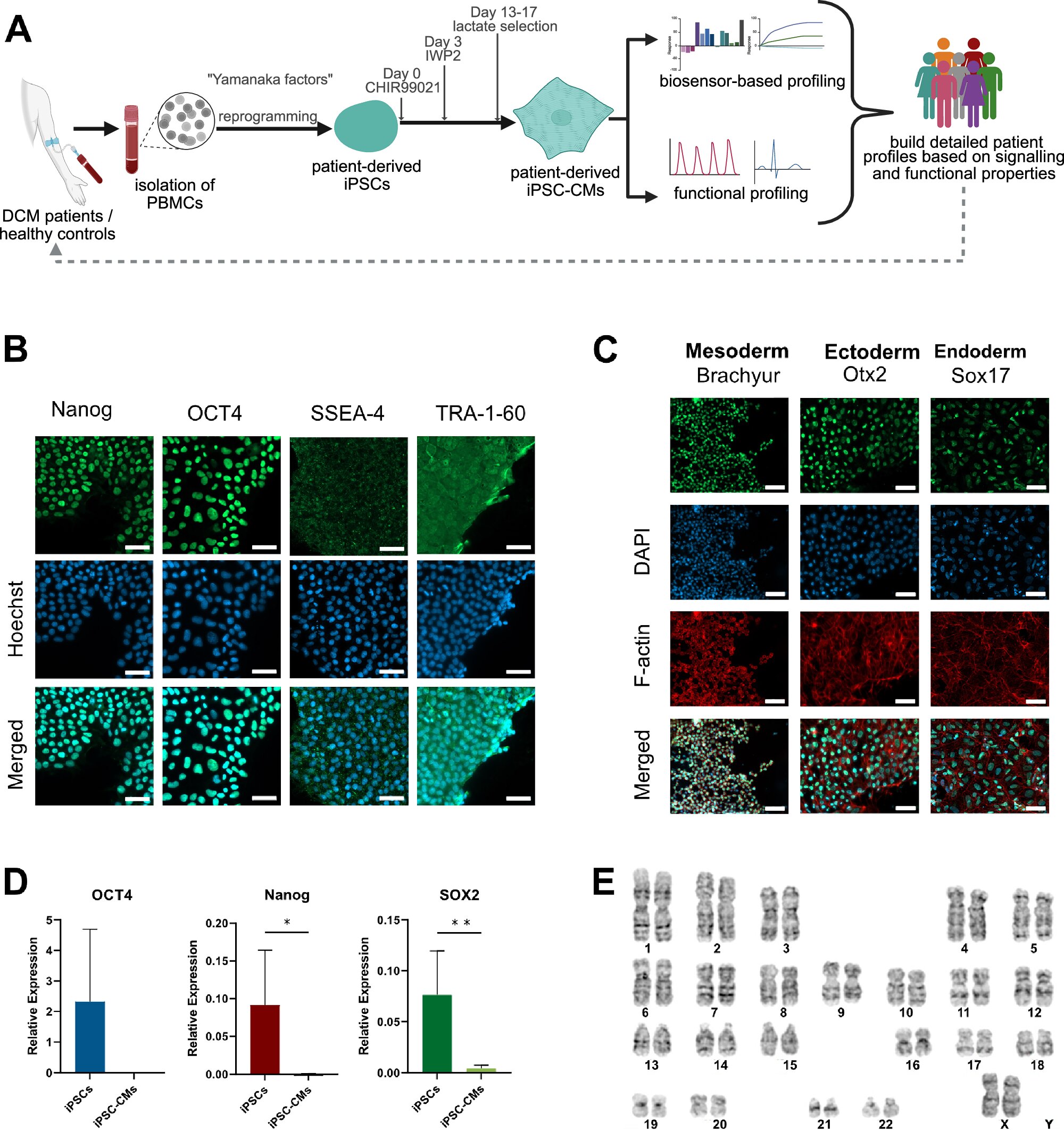
Heart-in-a-dish begins with a blood sample. Researchers reprogram blood cells into stem cells and then transform them into heart muscle cells carrying the patient's genetic makeup. Those cells are assembled into miniature beating heart tissues that allow scientists to simulate the disease in the lab and test potential treatments.
For this study, the team used cells from two patients with dilated cardiomyopathy and two healthy volunteers. A powerful microscope installed at McGill in 2024 made it possible to study the miniature hearts at the individual cell level.
D.
Source link