
This article has been reviewed according to Science X's editorial process and policies. Editors have highlighted the following attributes while ensuring the content's credibility:
People with prediabetes are at very high risk for developing type 2 diabetes, and improving their diet is one way they can try to fend off advanced disease.
Better health through nutrition is not only about the foods we eat, however: New research suggests gut microbes have a significant influence on how our bodies respond to a dietary change. In essence, our outcomes can be affected by both the microbiome we start with and how our microbiome shifts in response to a nutritional change.
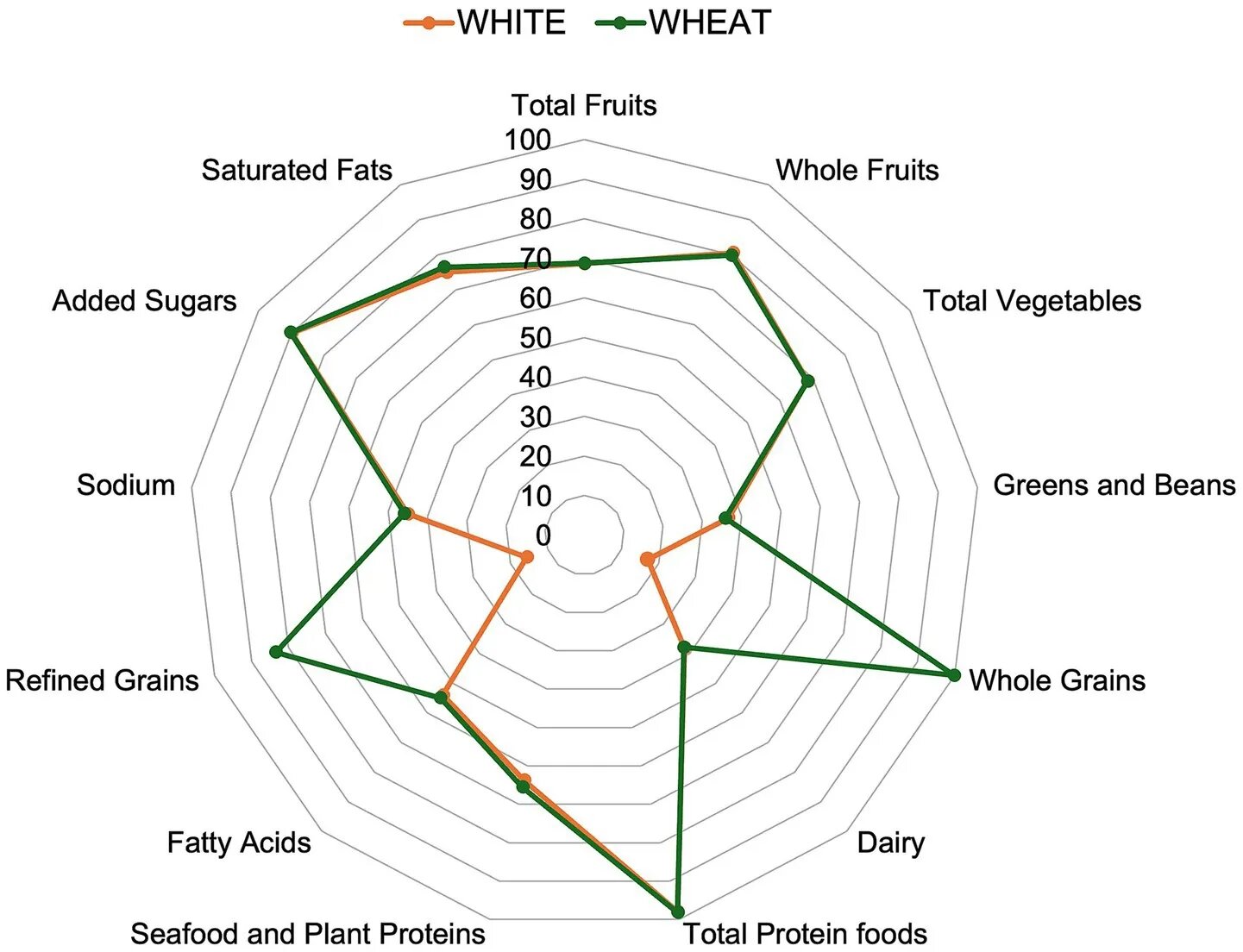
The Ohio State University clinical trial demonstrated better blood sugar control in people with prediabetes when refined white bread in their diet was replaced with whole-wheat bread. But the study also showed that gut microbe shifts were associated with the benefits the more nutritious and fiber-rich bread offered.
On average, glucose control improved 27% among participants—but individually, the results varied widely, from relatively small to large improvements. Microbial community changes were linked to those differences, hinting at the promise for future nutritional guidance that is based on biomarkers produced by our gut activity, researchers say.
In the study, some participants started the trial with a signature of gut microbes that predicted their blood sugar control would improve. In others, consuming whole-wheat bread shifted the abundance of microbes associated with better blood glucose results.
"So we have two separate paradigms," said Richard Bruno, professor of human nutrition at The Ohio State University and co-senior author of the study.
Source link





