This article has been reviewed according to Science X's editorial process and policies. Editors have highlighted the following attributes while ensuring the content's credibility:
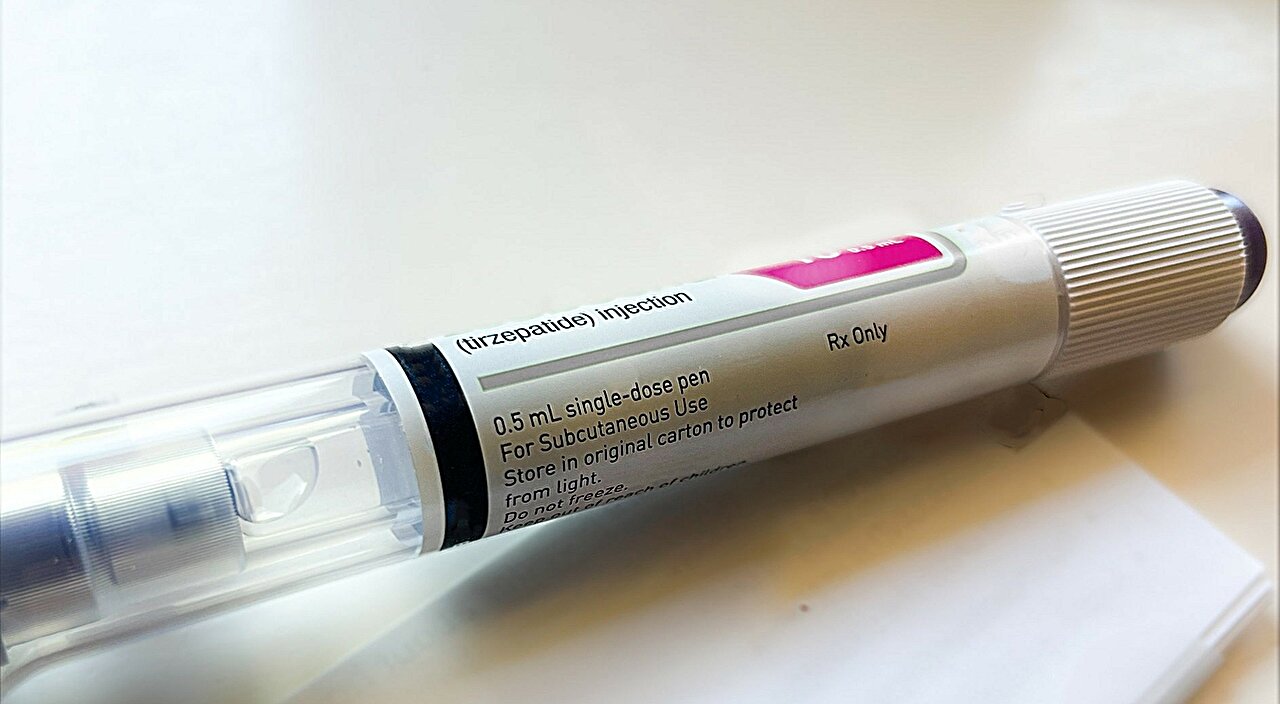
GLP-1 (glucagon-like peptide-1 receptor agonists) medications, currently popular for weight loss, may help prevent type 2 diabetes and lower the risk of heart attack and stroke more than the standard diabetes prevention medication metformin among people with prediabetes, according to new, independent, preliminary research presented at the American Heart Association's Scientific Sessions 2026, held Nov. 6–9 in Chicago.
The study, which reviewed health records for more than 250,000 adults with prediabetes and obesity, is among the largest studies to evaluate the impact of GLP-1 medications compared with metformin—the current gold-standard, first-line medication for treating prediabetes and type 2 diabetes, along with lifestyle modification.
Most prior research on GLP-1 medications focused on people who already had type 2 diabetes, according to study author Vinicius de Sousa Barzon Serra, M.D. This study investigated the earlier prediabetes stage and captured the impact of GLP-1s on blood sugar and heart and stroke risk.
In prediabetes, blood sugar levels are above normal yet not high enough for a diabetes diagnosis. Nearly 40% of U.S. adults have prediabetes, according to the American Heart Association's 2026 Heart Disease and Stroke Statistics. Prediabetes progresses to type 2 diabetes for up to 10% of these adults each year, according to statistics from the National Institutes of Health.
"The great news with prediabetes is that it's still possible to reverse the progression of the disease," said Serra, a research fellow in the department of cardiovascular medicine at the Mayo Clinic in Scottsdale, Arizona.
Source link