
This article has been reviewed according to Science X's editorial process and policies. Editors have highlighted the following attributes while ensuring the content's credibility:
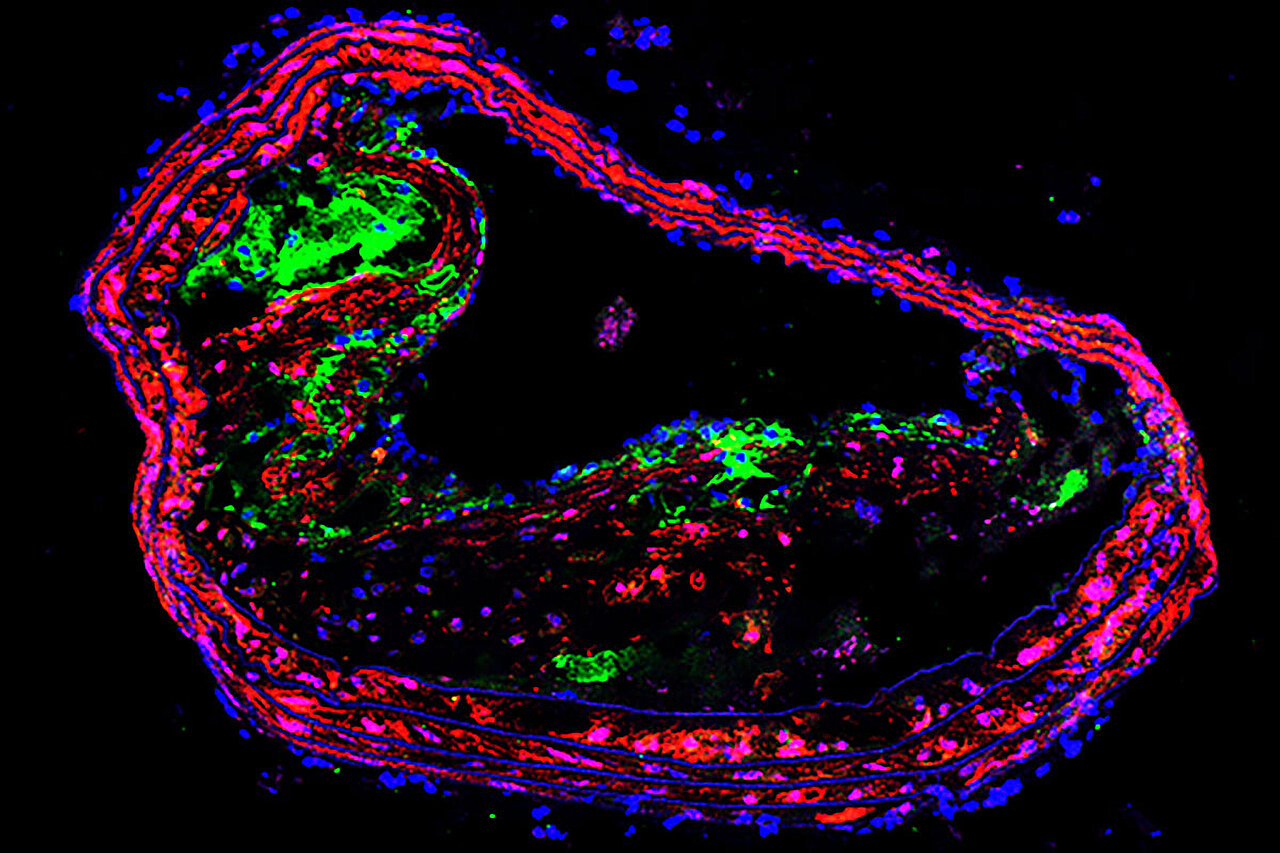
Researchers have amassed a detailed catalog identifying how specific genetic changes play causal roles in coronary artery disease, a condition in which the vessels that carry blood to the heart narrow or become blocked. The undertaking is the first to connect inherited genetic variants to their practical effects in the coronary arteries, findings that could guide development of new therapies for heart disease.
The research, led by investigators at Washington University School of Medicine in St. Louis, is published in the journal Nature.
The study is focused on cardiovascular disease, but it describes a new approach for understanding, at the molecular level, any genetically complex condition, such as kidney disease, obesity, diabetes or asthma, according to the investigators. Such molecular insight provides a list of targets for therapeutic intervention.
Common chronic diseases such as coronary artery disease develop via the complex interplay of genetics and environment. Large human genetic studies—called genome-wide association studies—have identified more than 350 inherited genetic changes associated with higher risk of coronary artery disease. Some of these genetic changes are in regions of the genome that carry instructions for making proteins and therefore affect the construction and function of the relevant protein.
But for coronary artery disease and other common chronic diseases, nearly all of the associated genetic variants are located in the so-called noncoding regions of the genome, which don't harbor protein recipes, thereby making it difficult to determine exactly what they do.
Source link





