
This article has been reviewed according to Science X's editorial process and policies. Editors have highlighted the following attributes while ensuring the content's credibility:
Bulk cooking and freezing your leftovers can be a great way to save money—while also reducing food waste and stocking your kitchen with convenient weeknight meals.
But which foods freeze and thaw well, and which end up a soggy mess?
A simple rule of thumb: foods that rely on being crisp for their texture tend to freeze poorly—think of a cucumber—while foods that are already soft, cooked, mixed or liquid often freeze well. Let's explore why.
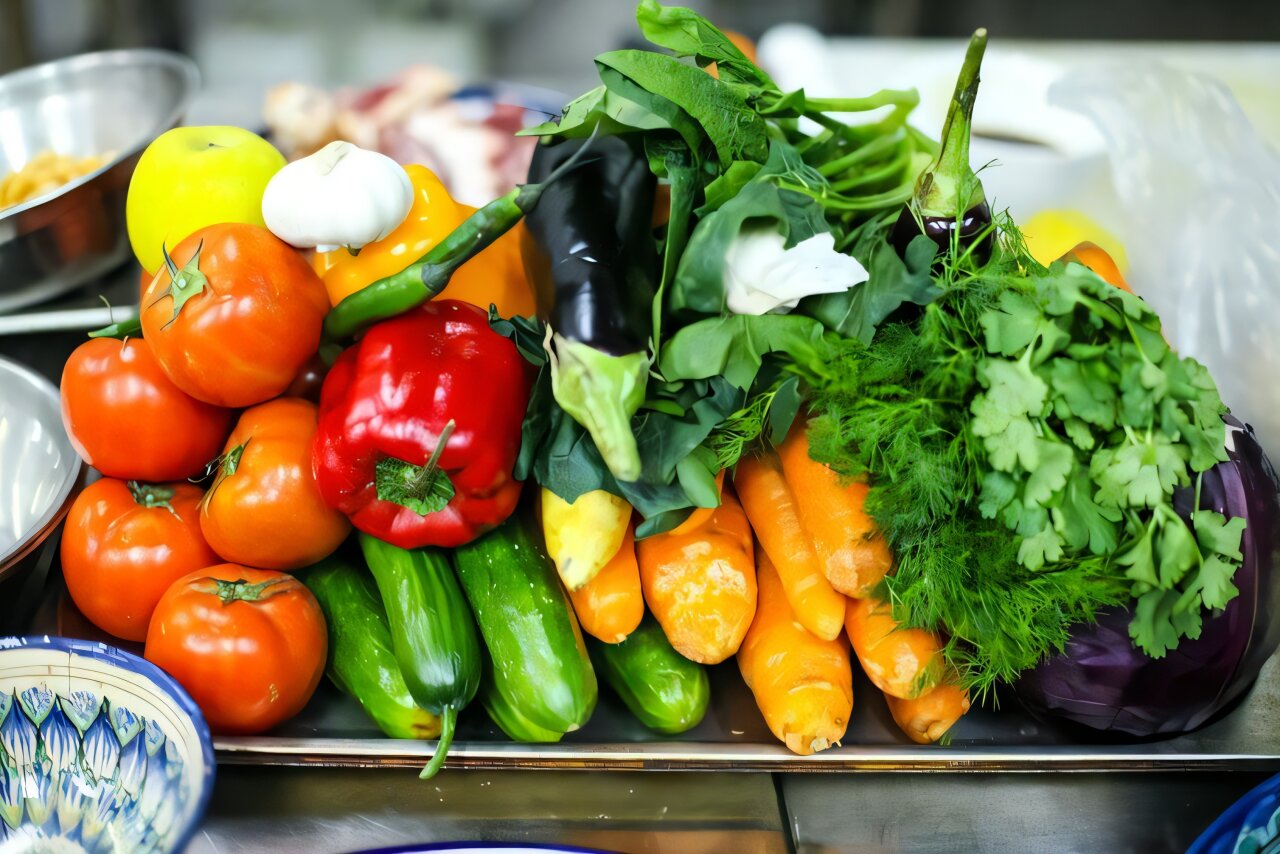
Many foods are made up of water-filled cells. During freezing, ice crystals can damage these cells, particularly in foods that rely on them for their crisp texture, such as berries, cucumbers and lettuce. When thawed, moisture leaks from the damaged cells, resulting in a soggy texture.
The faster foods are frozen, the smaller the ice crystals that form, resulting in less damage to the cells. That is why commercially frozen fruits and vegetables retain their texture much better than those you freeze at home, as industrial freezing systems freeze foods much more rapidly.
Certain dairy products, including milk, and high-fat foods, such as mayonnaise and cream, are also not good to freeze because the fat can separate, changing the taste and texture of the food.
Mayonnaise is particularly problematic because it is an emulsion—a mixture of oil and water—held together by ingredients such as egg yolk. Ice crystals can disrupt this emulsion, causing the mixture to separate during thawing.
Source link





