
This article has been reviewed according to Science X's editorial process and policies. Editors have highlighted the following attributes while ensuring the content's credibility:
A focus on how we engage with social media—not just how long we spend on it—is key to analyzing the impact on mental health, a new study warns.
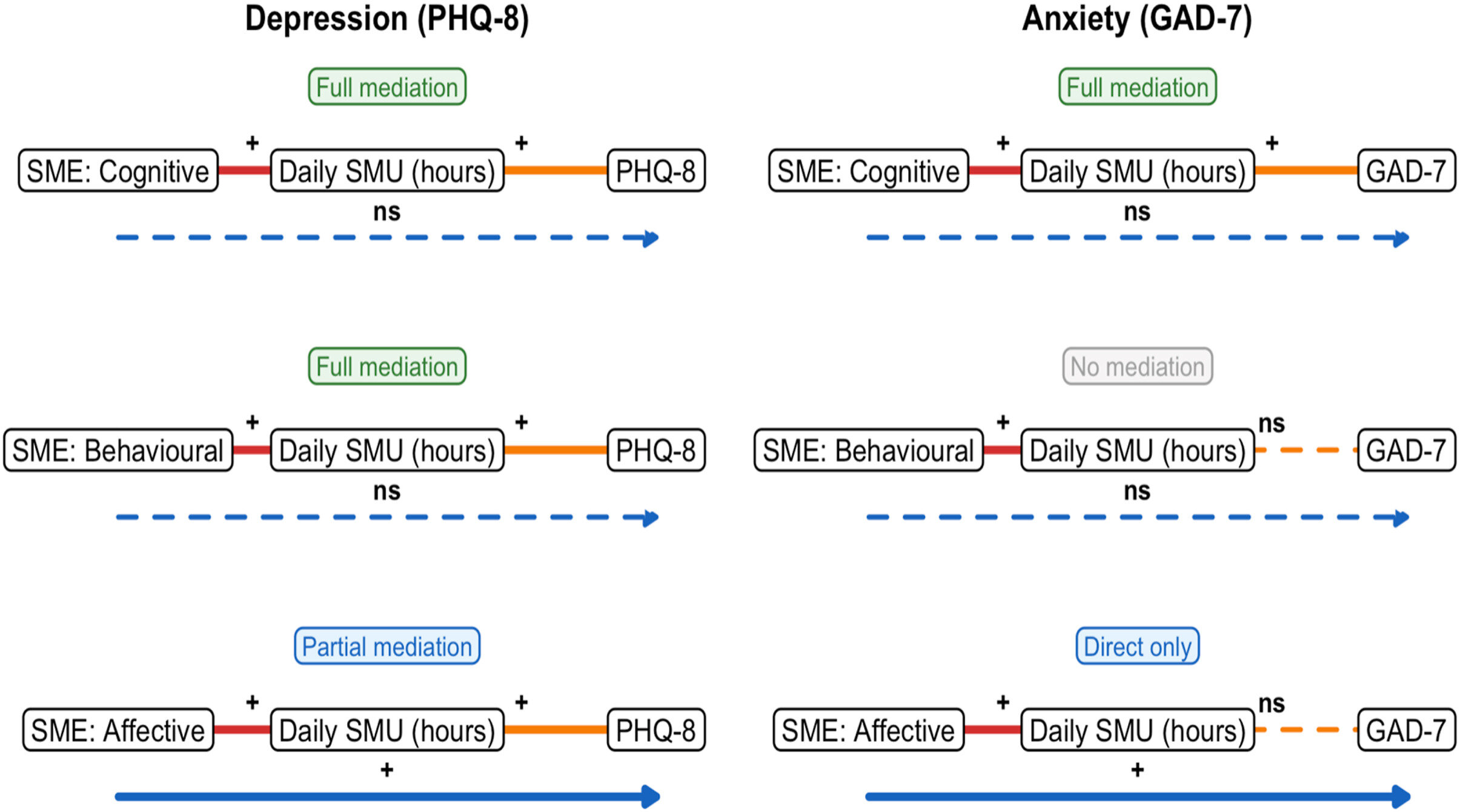
Examining how people think about, respond to and use social media—alongside how much time they spend on it—may give a more informative picture of links with mental health.
The research says it is important for consumers and policymakers to consider the cognitive and emotional quality, as well as the quantity, of social media use.
Interventions focused solely on reducing screen time may overlook important psychological mechanisms underpinning relationships between social media use and mental health.
The study found time spent on social media was associated with depressive symptoms. However, time spent played a smaller role in relationships between engagement style and anxiety. This suggests that reducing overall use may not address all forms of psychological distress in the same way. The research is published in the journal Computers in Human Behavior Reports.
As part of the study by Dr. Jason Hill of the University of Exeter, 304 adults provided information about their social media engagement styles, daily time spent on social media, and symptoms of depression and anxiety.
Hill asked participants in the study to self-report symptoms of depression and anxiety, alongside aspects of mindfulness and the way they engaged with social media.
Hill said, "Two people can spend exactly the same amount of time on social media while having very different psychological experiences.
Source link





