This article has been reviewed according to Science X's editorial process and policies. Editors have highlighted the following attributes while ensuring the content's credibility:
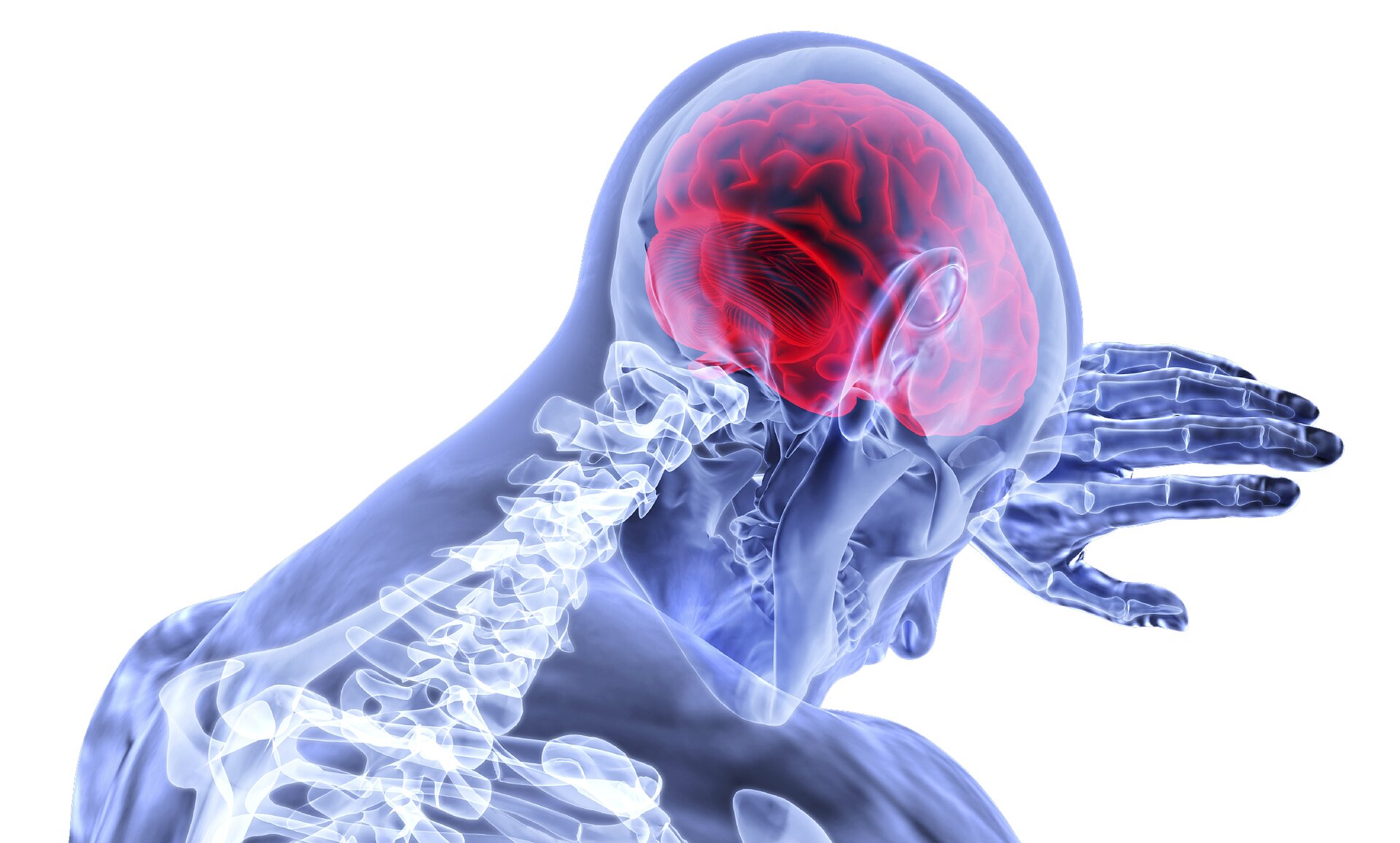
Mayo Clinic researchers are studying whether low-dose radiation therapy can slow the progression of Parkinson's disease by targeting inflammation in areas of the brain affected by the disease. The clinical trial is the first to investigate low-dose radiation as an anti-inflammatory approach in patients with early-stage Parkinson's disease.
Radiation therapy is most often used to treat cancer, where higher doses are used to damage tumor cells and stop them from growing. In this clinical trial, researchers are taking a very different approach. They are studying whether much lower, targeted doses of radiation can lower inflammation.
"Inflammation is believed to play an important role in the disease process in Parkinson's," says Yasamin Sharifzadeh, M.D., a Mayo Clinic radiation oncologist and principal investigator of the clinical trial.
"Instead of treating the symptoms patients experience, we're investigating whether low-dose radiation can affect one of the underlying biological processes associated with the disease and therefore slow the worsening of symptoms."
Parkinson's disease is a movement disorder of the nervous system that worsens over time. It can cause slowed movement, tremors, muscle stiffness and problems with balance and posture. Patients can also experience cognitive changes, fatigue, depression and anxiety.
The disease is associated with the gradual loss of brain cells that produce dopamine , a chemical that helps control movement, and the buildup of abnormal proteins in and around brain cells.
Source link