This article has been reviewed according to Science X's editorial process and policies. Editors have highlighted the following attributes while ensuring the content's credibility:
Your brain is protected by the blood-brain barrier—a network of cells in the brain's blood vessels that serves as a border between the brain and the rest of your bloodstream. But it's not just a barrier; it's a sophisticated interface that shuttles specific molecules between the blood and the brain to keep your brain healthy.
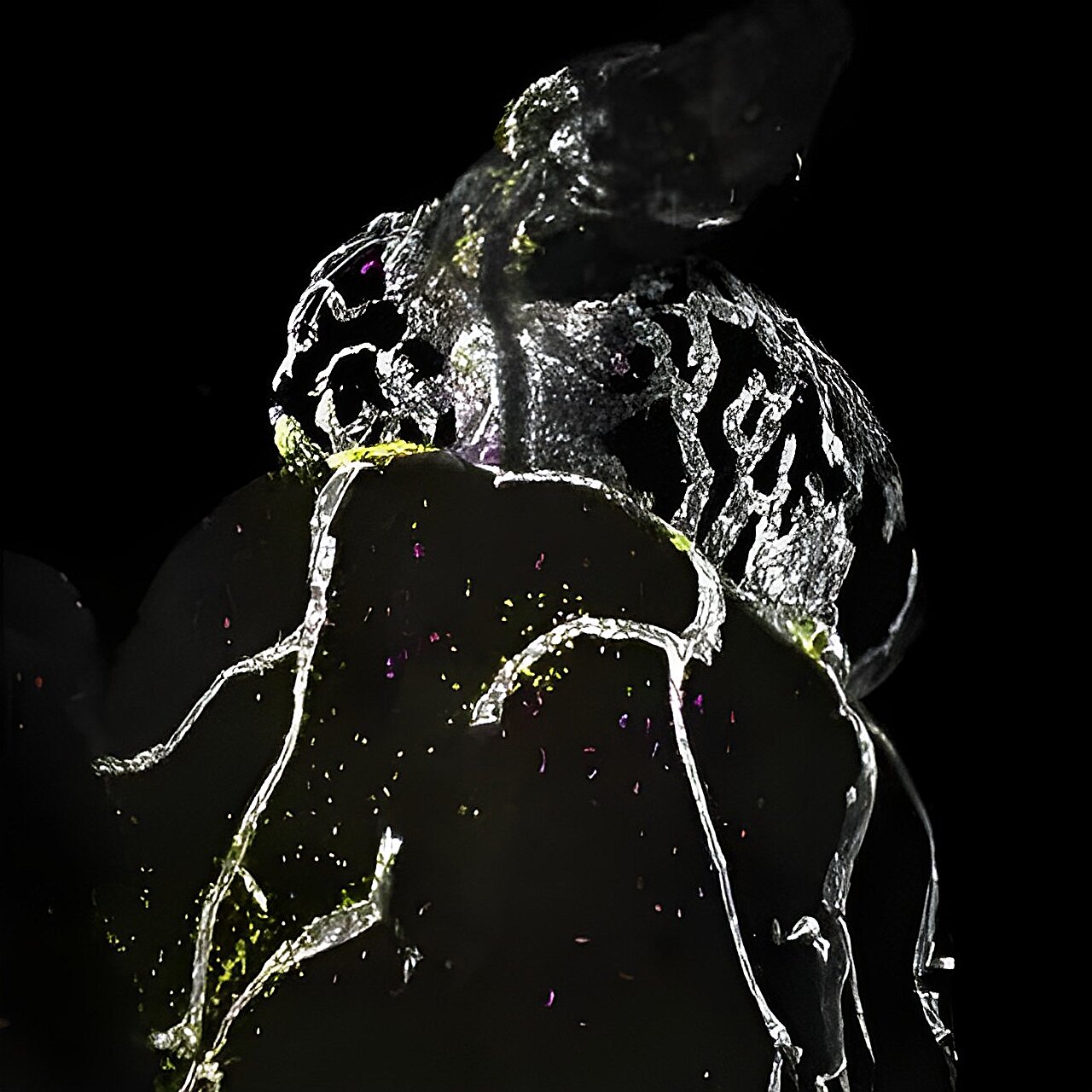
Working in mice, Gladstone investigator Andrew Yang, Ph.D., and his team have created the first atlas of proteins in the bloodstream that are transported across the blood-brain barrier and into the brain. Reported in the journal Cell, the atlas contains 92 proteins so far, and it's already pointing toward potential new strategies for treating neurodegenerative conditions such as Alzheimer's disease.
"For a century, we've treated the blood-brain barrier as a simple physical boundary protecting the brain from toxins," says Yang, who led the study. "We're finding that it's an intelligent interface that plucks the right proteins in the blood, often from distant parts of the body, and delivers them to the right cell types in the brain. Brain health depends on this sophisticated molecular supply line from the body."
Multiple organs in the body, such as the liver and kidney, release different proteins into the blood at different times. This means the specific mix of protein types in blood plasma—the liquid portion of the blood—can relay important information to the brain about the current state of the body.
Source link