
This article has been reviewed according to Science X's editorial process and policies. Editors have highlighted the following attributes while ensuring the content's credibility:
In a study of life after stroke, one survivor described doing less during the day if they planned to see friends that evening. When you're living with fatigue, even an ordinary day can take that kind of planning. Going out may mean deciding what else can wait until tomorrow.
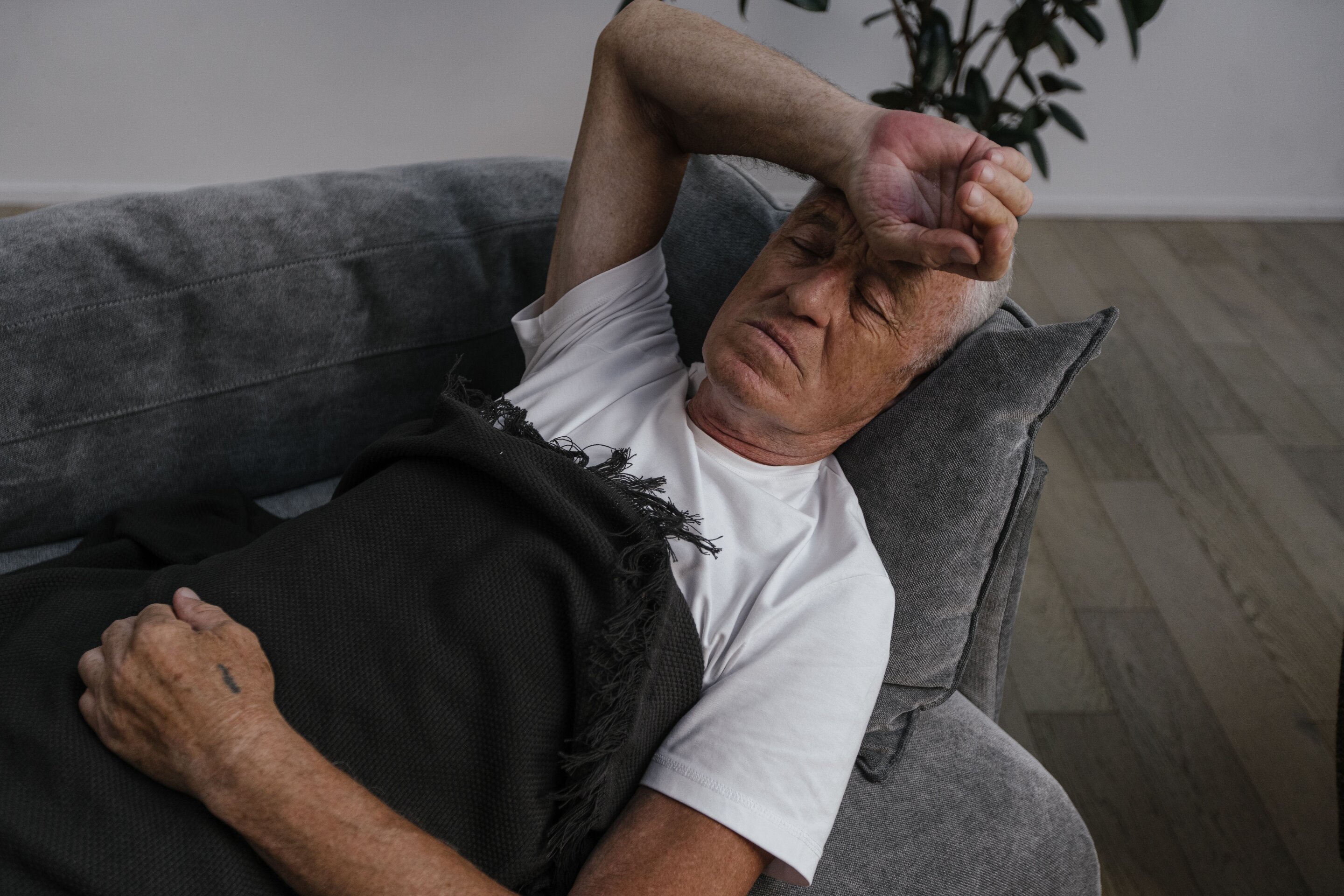
A review of 66 studies from around the world estimated that fatigue affects almost half of stroke survivors. It can begin soon after a stroke or become apparent later in recovery, even in people who have otherwise recovered well. People who are physically fit can experience it, too. Fatigue can come on with very little effort, and a rest may bring little relief. Stroke survivors have described it as "a fatigue like no other."
For some people, fatigue feels physical. A short walk or a trip to the stores can take much more out of them than it used to. Others find that thinking becomes slow or foggy. They might lose the thread of a conversation or find it hard to make a decision they would once have made easily. Stress and strong emotions can leave people drained too. These experiences can overlap. Someone might be able to walk to a café and still find that following the conversation once they get there is the most tiring part of the outing.
I was part of an international team of clinicians and researchers who worked with stroke survivors to develop recommendations on assessing and managing fatigue after stroke .
Source link





