
This article has been reviewed according to Science X's editorial process and policies. Editors have highlighted the following attributes while ensuring the content's credibility:
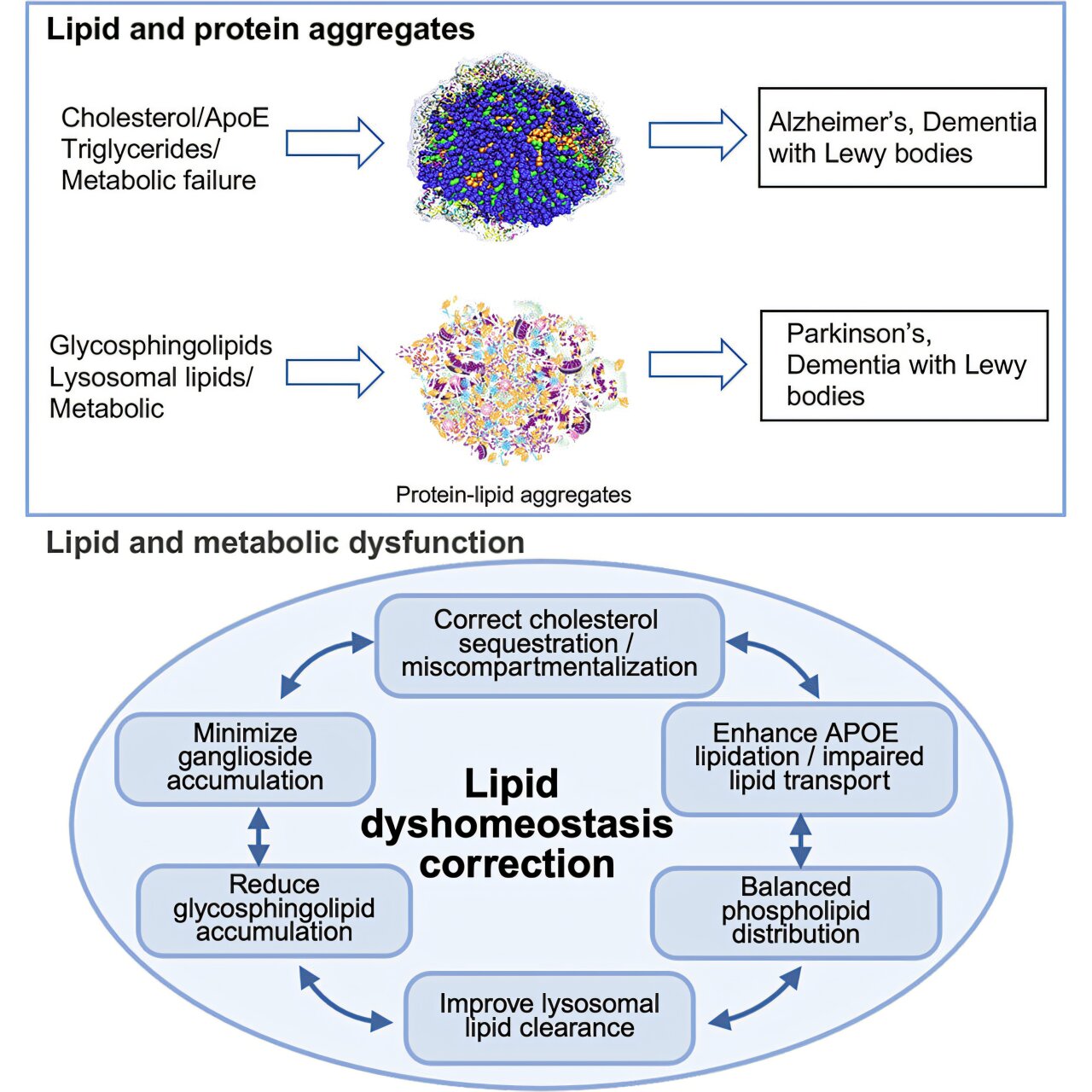
Ole Isacson, M.D., Ph.D., founding director of the Neuroregeneration Institute at McLean Hospital within Mass General Brigham, is the lead and corresponding author of a paper published in Cell Reports Medicine titled "Lipid homeostasis and cellular metabolism in neurodegenerative disease: a maturing framework to guide therapeutic development," co-authored with Penelope Hallett, Ph.D. Their perspective article supports a broader interpretation of neurodegenerative disease in which lipid metabolism, cellular energy regulation, inflammation and protein abnormalities form an interconnected biological system.
Alzheimer's disease, Parkinson's disease and dementia with Lewy bodies affect millions of people worldwide, yet we still lack treatments that reliably stop or reverse the neurodegenerative processes underlying these conditions.
For decades, research and drug development have focused primarily on abnormal proteins that accumulate in the brain, including amyloid-beta and tau in Alzheimer's disease and alpha-synuclein in Parkinson's disease. Although these approaches have improved our understanding of disease and produced some valuable treatments, their clinical benefits have generally been limited.
One possible reason is that these abnormal proteins may be the consequences of earlier disturbances in the processes that keep brain cells healthy—for example, disruptions in how the brain transports, distributes and processes cholesterol and other lipids. Better understanding how disruptions in lipid metabolism may contribute to neurodegeneration could open an entirely new avenue for developing treatments that intervene earlier in the disease process, rather than focusing primarily on removing proteins after pathology has developed.
Source link





