
This article has been reviewed according to Science X's editorial process and policies. Editors have highlighted the following attributes while ensuring the content's credibility:
Was turkey on the table at the first Thanksgiving? Probably. Did anyone take a nap afterward? Unclear.
Among the many myths associated with Thanksgiving is the notion that today's traditional menu harkens back to what the Pilgrims and Wampanoag people actually ate in November 1621.
While no oral history has been passed down by the Native people, Pilgrim Edward Winslow briefly described the three-day feast in a letter to a friend, said Malka Benjamin, director of colonial interpretation and training at the Plimoth Patuxet Museums in Plymouth, Massachusetts.
According to Winslow's letter—the only surviving record of the celebration—the Wampanoag leader Massasoit provided five deer, while the Pilgrims killed enough fowl in one day to feed the entire colony for nearly a week. He didn't mention turkey specifically, but it frequently shows up in other firsthand accounts of the time period, Benjamin said.
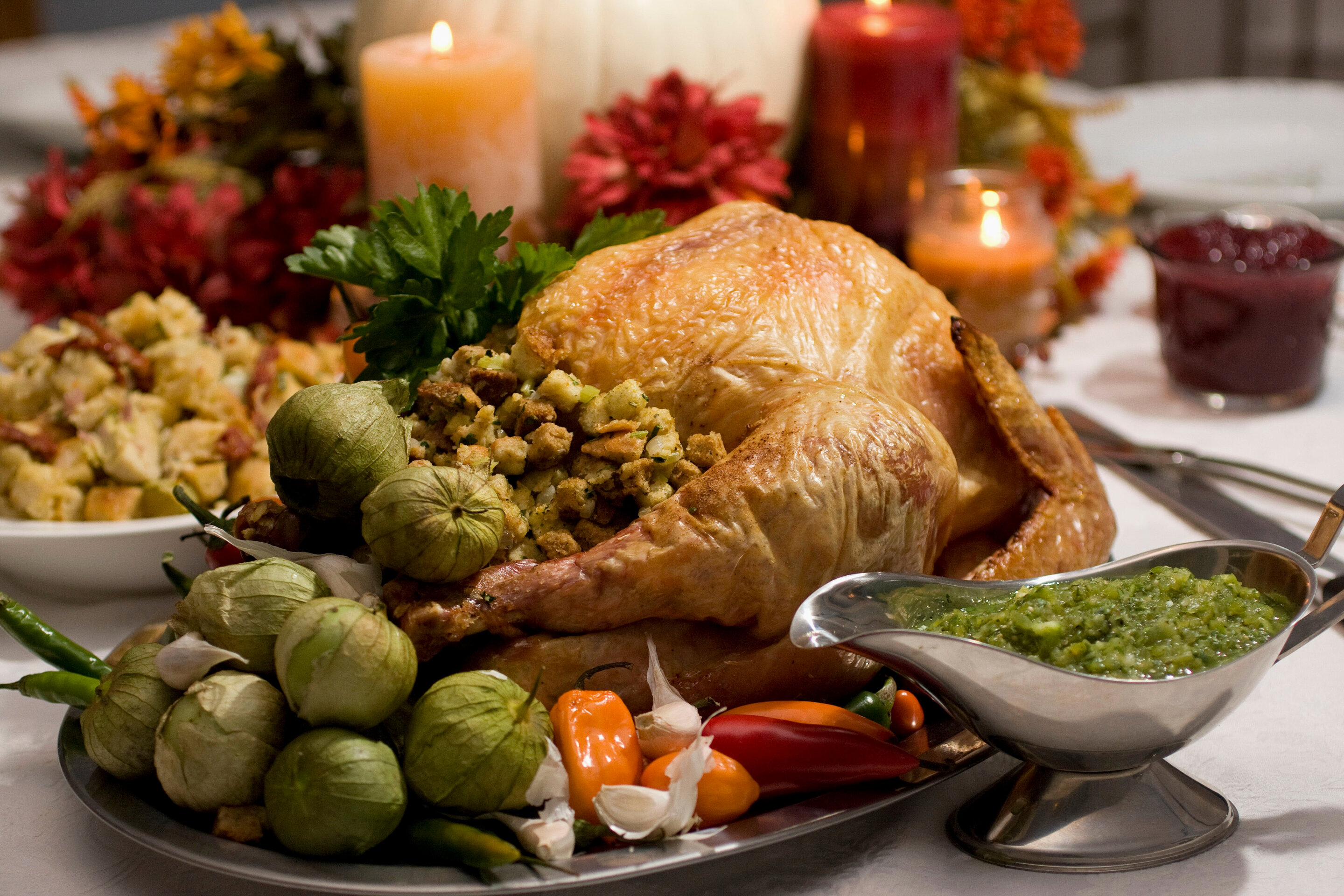
"I feel very confident saying that it's highly likely there was turkey on the table, in addition to duck and goose and other kinds of birds," she said.
The menu also probably featured seafood, she said, along with squash and nasaump, a porridge-like Wampanoag dish made with ground corn and berries. Potatoes? Nope. And while cranberries were available, there was no sugar to turn them into sauce.
Here are some other more modern myths about Thanksgiving food and what experts have to say about them:
Source link





