This article has been reviewed according to Science X's editorial process and policies. Editors have highlighted the following attributes while ensuring the content's credibility:
Chronic hepatitis B is a long-lasting condition caused by the hepatitis B virus (HBV) that affects about 240 million people worldwide. Most people infected show no symptoms for years, but when symptoms do appear, they can include fatigue, jaundice and abdominal pain. Current antiviral treatments are designed to keep the virus under control, but they are not a cure, and medications are usually taken indefinitely.
That has prompted scientists to search for a way to stop the infection without lifelong medication. One approach showing early promise is an experimental therapy that has switched off hepatitis B genes in human liver cells and mouse models.
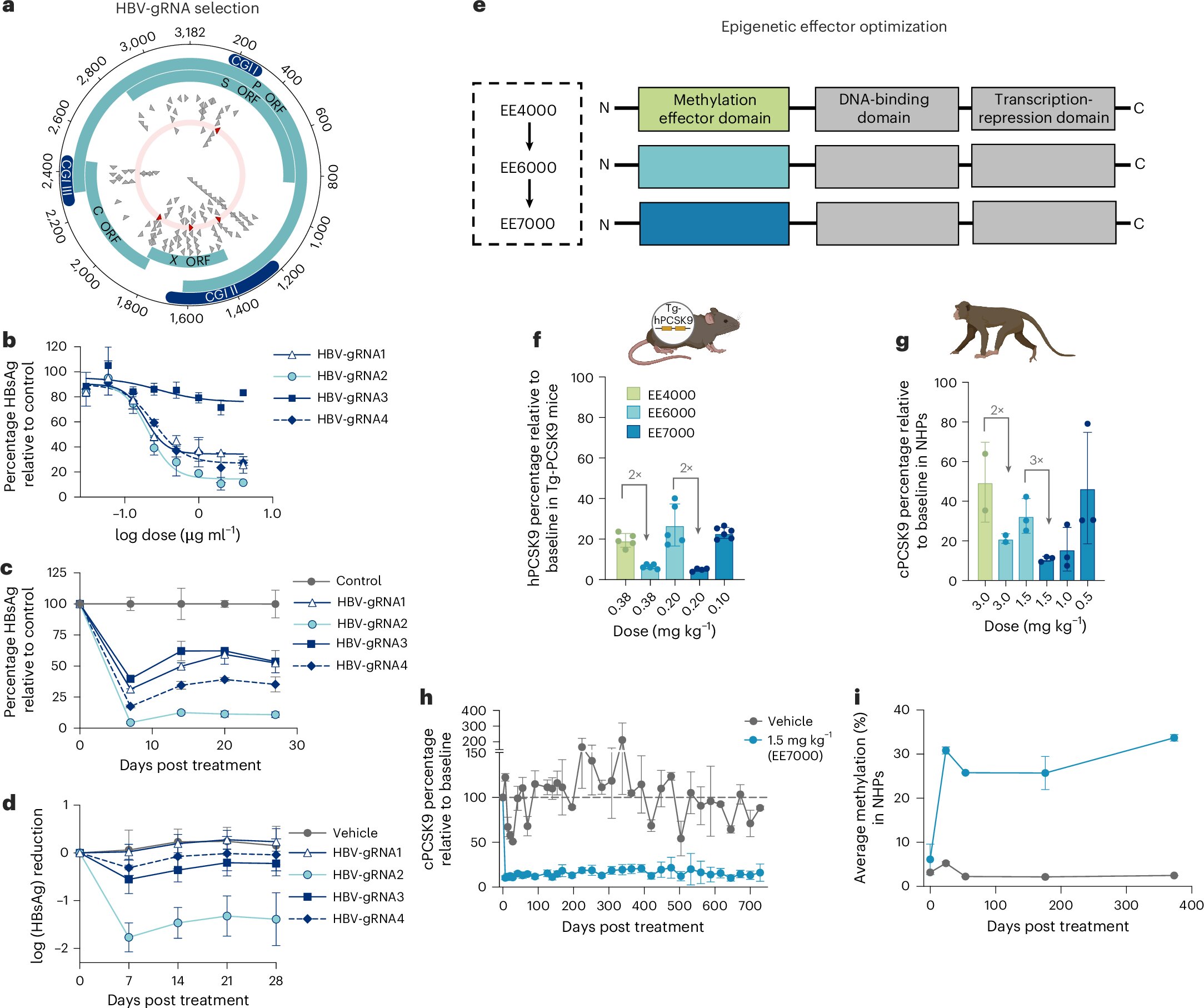
Researchers led by John Marlowe at genetic medicines company nChroma Bio treated cultures of human liver cells infected with hepatitis B with a genetic package they designed called CRMA-1001. This microscopic delivery vehicle includes a targeting guide RNA to find the viral DNA and instructions for making a gene-silencing protein, all wrapped in protective lipid bubbles.
It is designed to travel directly to the viral DNA and attach chemical tags called methyl groups. These tags act like a mute button, keeping the virus switched off without cutting or altering any underlying DNA.
CRMA-1001 reduced levels of two viral proteins by 98% in human liver cells. Encouraged by these results, the research team moved on to testing the therapy in mice carrying HBV DNA.
Source link