This article has been reviewed according to Science X's editorial process and policies. Editors have highlighted the following attributes while ensuring the content's credibility:
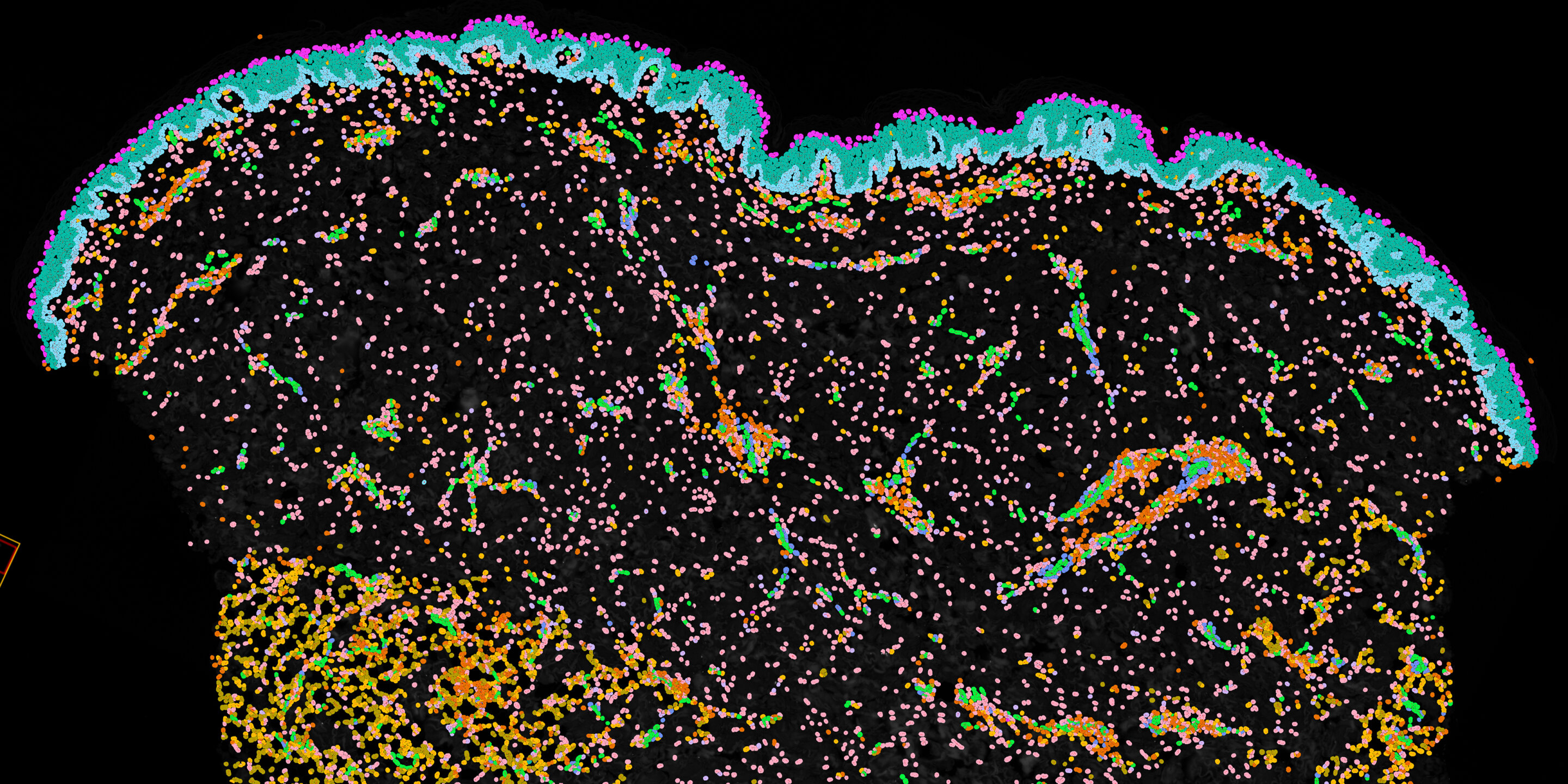
In a phase 1 clinical trial, Johns Hopkins Medicine researchers say they have partially transformed ordinary human skin cells into volar skin—the durable skin found exclusively on the palms and soles that resists friction and pressure.
The researchers say the study, which was published Nov. 10 in the Journal of Investigative Dermatology, demonstrates how skin cell therapy—the transfer of living skin cells to treat injury or disease in people—may change skin when combined with dermal fillers, which are injectable substances approved by the U.S. Food and Drug Administration to reduce the appearance of aging.
An estimated 2 million people in the U.S. live with limb loss. Prosthetics can aid movement, but skin bruising and irritation at their attachment sites limit daily use. Sam S. Lee, Ph.D., study lead, research analyst and lab manager in the Garza lab, says volar skin, being naturally tough and hardy, presents a natural solution to prosthetic injuries; however, because limb loss also often removes volar skin, sourcing enough tissue for treatment remains a challenge.
In a previous clinical trial, Lee and his team found that transplanted human volar fibroblasts—connective tissue cells that maintain the skin—can give non-volar skin volar-like characteristics, such as increased skin thickness, for up to five months.
Lee's current study aims to improve his experimental cell therapy by increasing the number of volar or volar-like skin cells generated and by helping the transformed cells last longer.
Source link