This article has been reviewed according to Science X's editorial process and policies. Editors have highlighted the following attributes while ensuring the content's credibility:
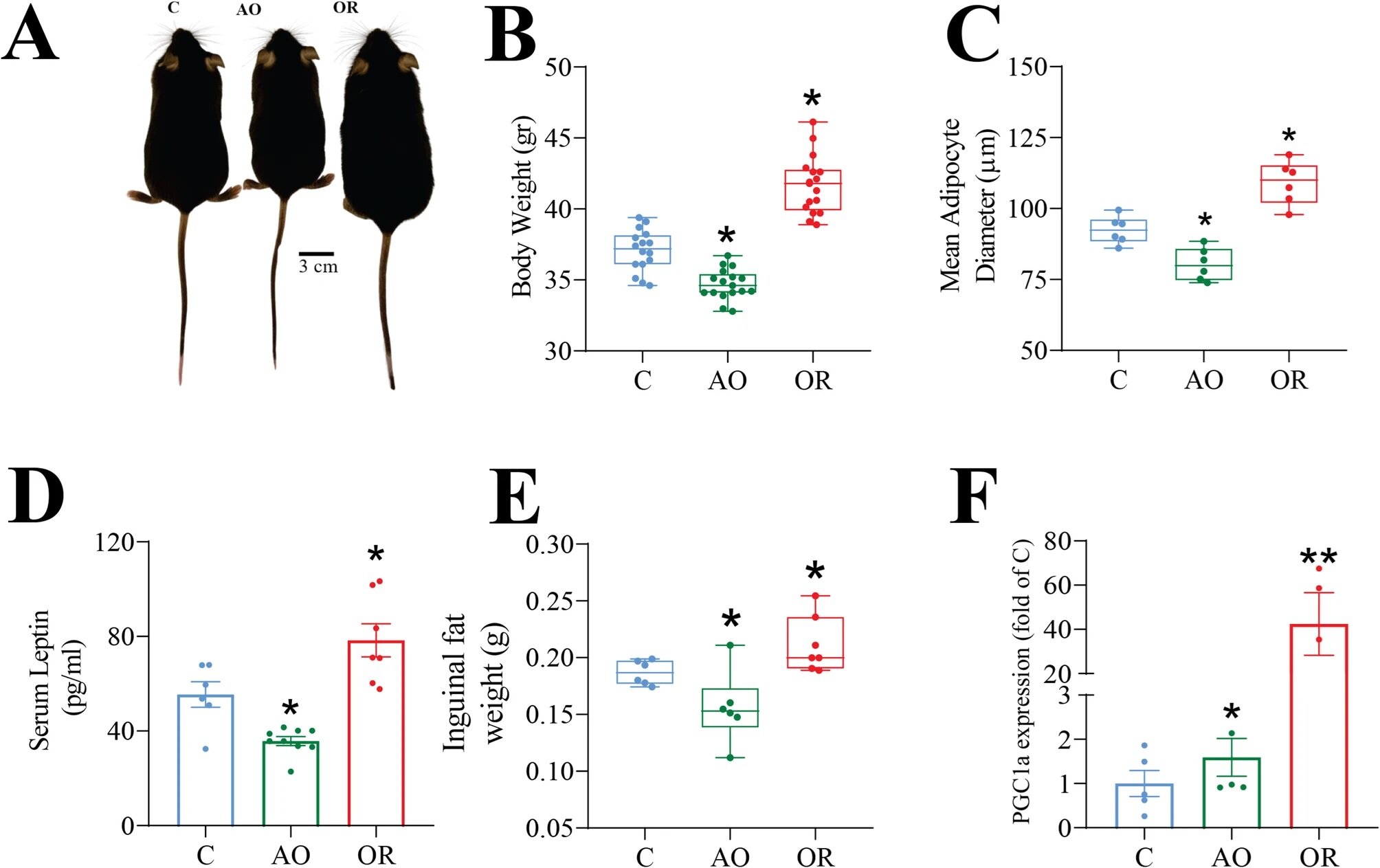
A new study from Ben-Gurion University of the Negev (BGU) and Soroka University Medical Center may have uncovered a biological mechanism behind why many adults and children gain weight following successful treatment for obstructive sleep apnea. The research, conducted on mice and published in Scientific Reports, suggests that the body retains a persistent "metabolic memory" that continues to drive increased appetite even after normal breathing is restored.
The study was co-led by Ariel Tarasiuk from BGU's Department of Physiology and Cell Biology, who is also director of the Sleep-Wake Disorders Unit at Soroka University Medical Center, and Yael Segev from BGU's Shraga Segal Department of Microbiology, Immunology, and Genetics. The research team also included doctoral student Haiat Nujedat, laboratory manager Dr. Eden Arazi and Dr. Mohammad H. Assadi.
Obstructive sleep apnea is a widespread breathing disorder affecting children and adults alike. While treatments such as surgical removal of the tonsils and adenoids or continuous positive airway pressure (CPAP) therapy successfully clear upper airway obstruction, a significant percentage of patients experience post-treatment weight gain. Until now, the underlying biological trigger for this unintended side effect remained largely unknown.
To investigate the puzzle, the researchers developed a unique animal model to monitor metabolic shifts during chronic upper airway obstruction and following its surgical relief.
In mice experiments, the team discovered that the body undergoes a distinct, two-phase metabolic response to sleep apnea and its recovery:
Source link