
This article has been reviewed according to Science X's editorial process and policies. Editors have highlighted the following attributes while ensuring the content's credibility:
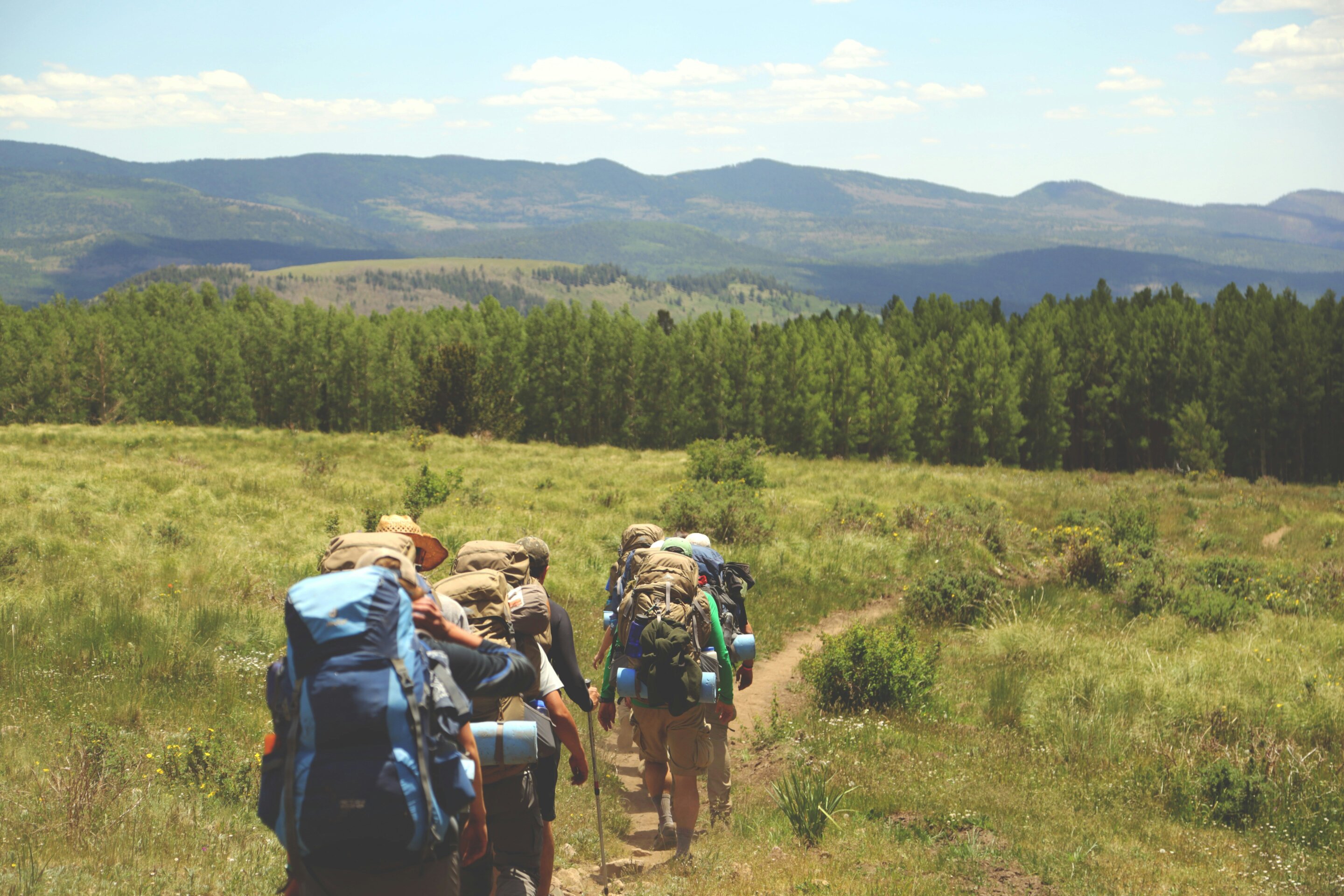
If you've been thinking about joining one of the social running, walking or hiking clubs popping up on your social media feeds, new research from The Ohio State University offers another reason to give it a try: Working out with other people might serve as a social lubricant.
The fitness platform Strava reported in 2025 that new clubs on the app nearly quadrupled to 1 million total clubs. Regular physical activity is known to have myriad health benefits, bolstering everything from cardiovascular fitness to mental well-being. Social support has similarly been linked to better health outcomes.
In 2023, U.S. Surgeon General Vivek H. Murthy warned in an advisory titled "Our Epidemic of Loneliness and Isolation" that declining rates of meaningful social connection represent "an urgent public health concern."
Now, researchers have uncovered evidence that exercise may influence not only physical and mental health but also how we interact with one another. In a study of mice, animal pairs that regularly exercised together on running wheels were less likely to fight over resources such as food and warm resting spots and showed increased activity in brain regions associated with social behavior.
"Mice are known to be naturally social. They like hanging out with other mice, just like humans like hanging out with other humans. They also exercise naturally. 7 kilometers) a night, voluntarily," said Liz Kirby, an associate professor of behavioral neuroscience in the Department of Psychology at Ohio State and the principal investigator of the study.
Source link





