
This article has been reviewed according to Science X's editorial process and policies. Editors have highlighted the following attributes while ensuring the content's credibility:
More than 400 million people worldwide live with the chronic lung disease COPD. The condition often involves multiple complex health problems, while the damage caused to the lungs cannot be repaired with current treatments. The aim of pulmonary rehabilitation is therefore to relieve symptoms, slow the progression of the condition and improve quality of life.
Physical exercise is an important part of treatment for people with chronic obstructive pulmonary disease (COPD).
"We know that physical exercise has many beneficial effects for people with COPD, but we know considerably less about what actually happens in the lungs. Our hypothesis is that the right kind of personalized training can improve the function of the peripheral parts of the lung while activating the body's own biological repair processes," says Gunilla Westergren-Thorsson, professor of lung biology at Lund University and lead author of the study.
The study involved 62 people with stable COPD, at stages ranging from mild to severe. Stable COPD means that the condition is not currently undergoing a period of severe exacerbation. The symptoms remain relatively unchanged over time, even though the person still experiences, for example, shortness of breath, a cough and reduced lung function.
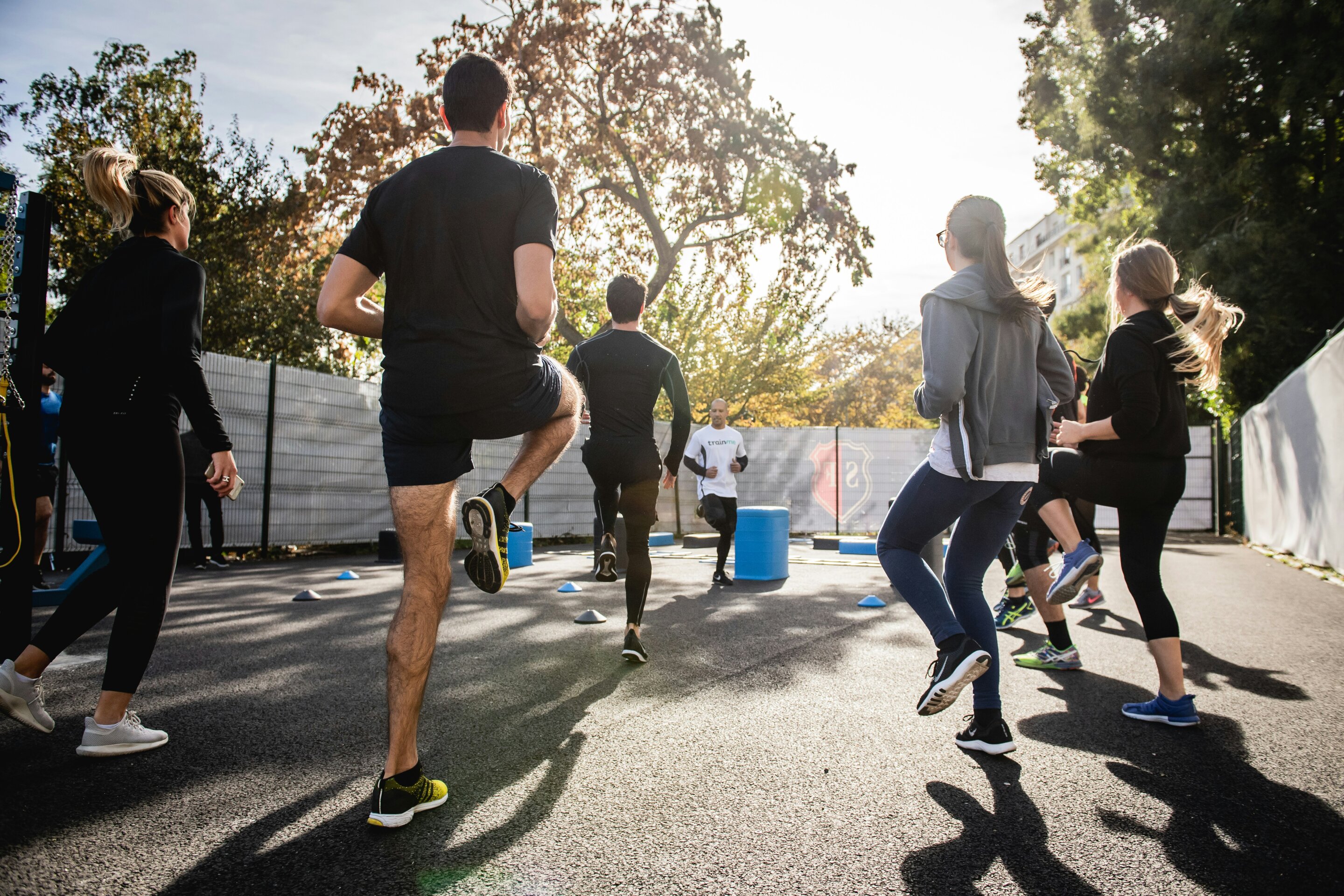
Over a 12-week period, the participants trained three times a week. Two of the sessions were in small groups under the guidance of a physical therapist, and one session was carried out at home.
Source link





