This article has been reviewed according to Science X's editorial process and policies. Editors have highlighted the following attributes while ensuring the content's credibility:
As athletes and coaches work to outperform their competition, physical training becomes a key resource for gaining an advantage. However, new research led by a University of Oklahoma faculty member shows that heavier training loads can hurt next-day performance, suggesting coaches should consider each athlete's individual needs.
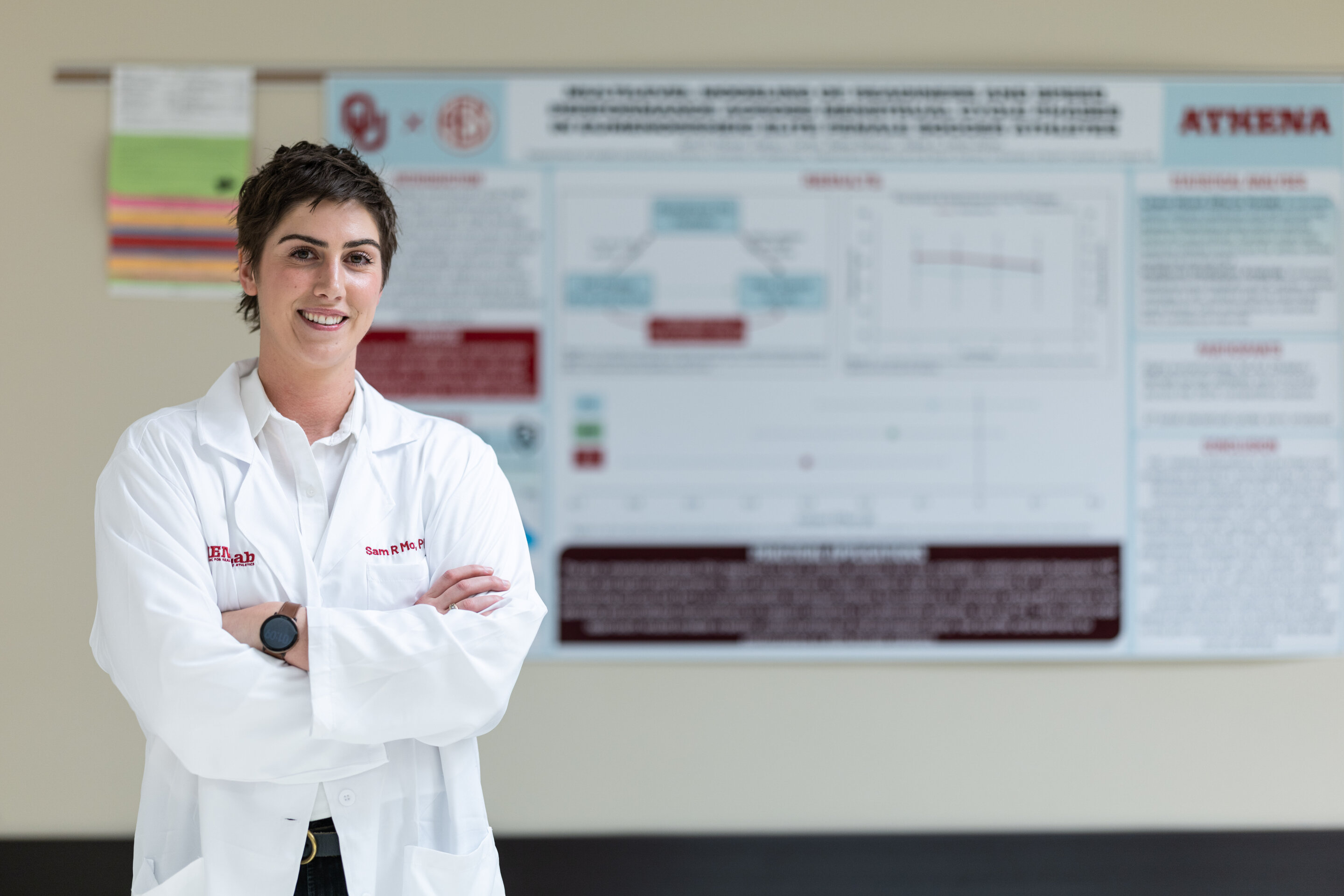
Sam Moore, Ph.D., is the lead author of the study published in the International Journal of Sports Physiology and Performance. She is an assistant professor of sports data analytics in the Department of Health and Exercise Science at OU's Dodge Family College of Arts and Sciences and director of the ATHENA Lab, which emphasizes female physiology in sports science.
A former collegiate athlete, Moore suffered a serious knee injury at the end of her freshman year that kept her sidelined for several months. During her rehabilitation, she became interested in how to help others through physical recovery.
"I had just turned 18 years old, and the surgeon told me, 'If you want to keep playing, you can, but most athletes don't,'" Moore said. "It was my strength and conditioning coaches who gave me the opportunity to keep playing and finish out my college career."
, centers on an elite collegiate women's soccer team. The researchers monitored players over the course of their season to determine how their daily training load—the total distance they traveled and their high-speed running distance during practices and competitions—affected their recovery, maximum running speed performance and well-being the next day.
Source link