This article has been reviewed according to Science X's editorial process and policies. Editors have highlighted the following attributes while ensuring the content's credibility:
As more strains of dangerous bacteria become resistant to existing antibiotics, the quest to find new drugs has become more urgent. In hopes of expanding the pool of antibiotic candidates, MIT researchers have found a way to significantly improve the safety profile of drugs with antimicrobial activity that had previously been discarded.
Many drugs that kill bacteria also harm human cells, which eliminates them from consideration as antibiotics. To overcome that obstacle, the MIT team developed a twofold strategy to counteract the toxicity of those drugs.
First, they attach the drug to a protein that delivers it directly to the site of infection, where it is released. Second, along with the drug, they deliver an "antidote" protein that circulates in the bloodstream and prevents the drug from reaching other organs that it might damage.
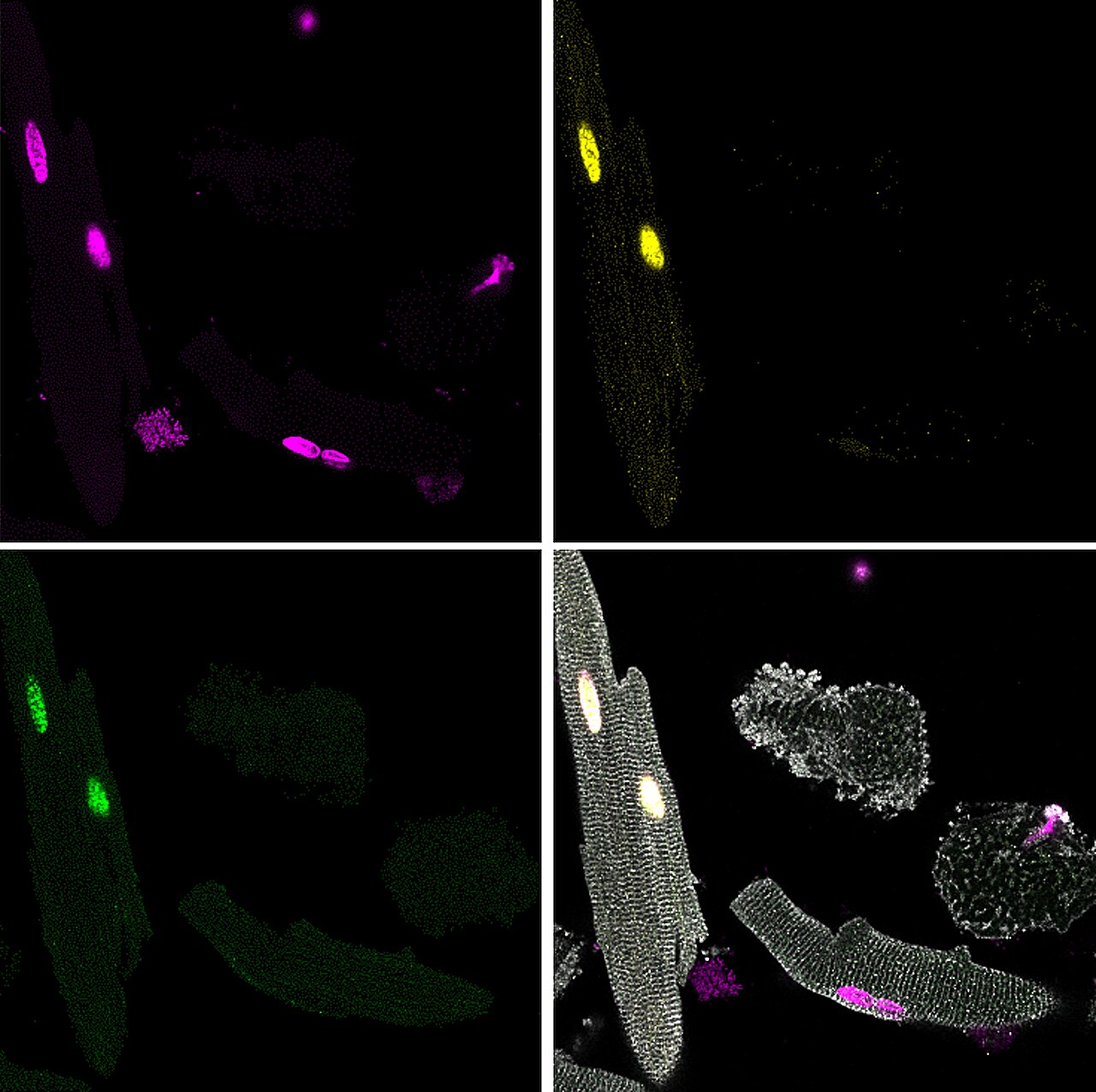
In the new study, the researchers demonstrated this approach using a drug called calicheamicin, which is now used to treat some types of cancer but is too toxic for use as an antibiotic. Tests in mice showed that the modified form of the drug could successfully treat bacterial pneumonia while protecting the liver from toxicity.
"The discovery pipeline is advancing at an extraordinary pace, but safety concerns can bring even the most promising programs to an immediate halt. This strategy could offer a chance to let really promising drugs keep going," says Sangeeta Bhatia, the John and Dorothy Wilson professor of health sciences and technology and of electrical engineering and computer science at MIT and a member of MIT's Koch Institute for Integrative Cancer Research and the Institute for Medical Engineering and Science (IMES).
Source link