This article has been reviewed according to Science X's editorial process and policies. Editors have highlighted the following attributes while ensuring the content's credibility:
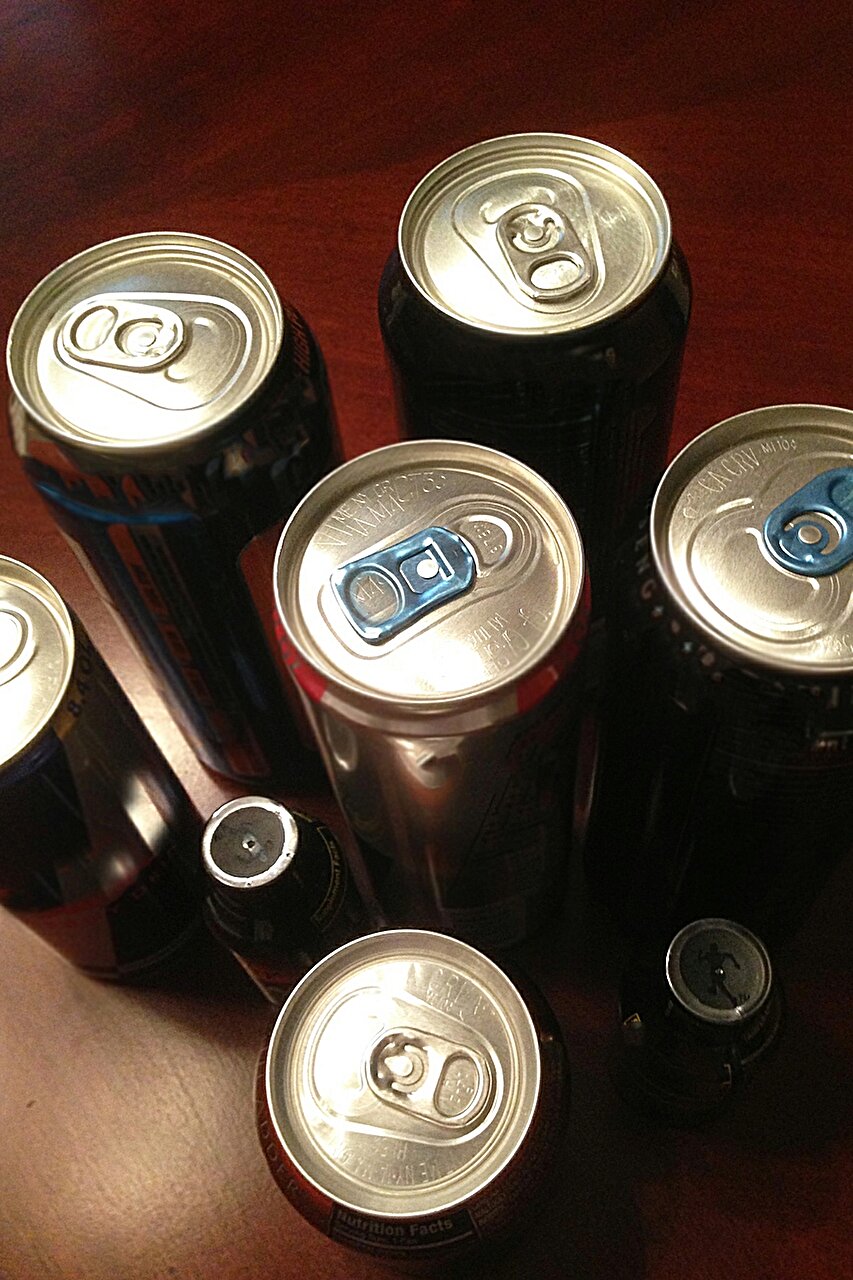
Caffeinated energy drinks and stimulant supplements appeared disproportionately more often in FDA reports of serious cardiovascular events, including cardiac arrest and heart attacks, especially among adults ages 18 to 34, according to new, independent, preliminary research presented at the American Heart Association's Scientific Sessions 2026, held Nov. 6–9 in Chicago.
Sales of caffeinated energy drinks have more than doubled over the past decade, reaching over $20 billion in 2024. While research on energy drinks and other stimulant-containing supplements is limited, available evidence indicates that high doses of caffeine are associated with cardiovascular harm.
Health care professionals have also described cases of arrhythmias (irregular heart rhythms) or sudden cardiac death in people who had consumed these products, many of them young adults with no known heart disease risks.
According to a 2026 American Heart Association scientific statement on caffeine and cardiovascular disease, consuming up to 400 mg of caffeine per day (the equivalent of up to five 8-ounce (237-milliliter) cups of regular black caffeinated coffee) is generally safe for most adults.
Compared with brewed coffee, some energy drinks contain as much as three times more caffeine per fluid ounce, and some pre-workout supplements contain more than 12 times as much caffeine per fluid ounce. S. Food and Drug Administration (FDA) regulates energy drinks and stimulant supplements as foods or dietary supplements rather than as medications, these products do not go through the same premarket safety testing required for medications.
Source link