
This article has been reviewed according to Science X's editorial process and policies. Editors have highlighted the following attributes while ensuring the content's credibility:
Medicaid prescriptions for weight loss–approved GLP-1 medications fell sharply after four states ended coverage of the drugs, according to a new study led by researchers at the University of Pittsburgh. The findings, published in JAMA, demonstrate how state coverage decisions can have an immediate and substantial effect on access to these medications.
On Jan. 1, 2026, California, New Hampshire, Pennsylvania and South Carolina withdrew Medicaid coverage for GLP-1 drugs prescribed for weight loss. In those states, the number of quarterly prescriptions fell by approximately 84% relative to changes in 10 states that maintained coverage.
"These immediate declines corroborate what we saw clinically. Many of my Medicaid-insured patients prescribed GLP-1s for weight management lost coverage," said lead author Bryant Shuey, M.D., M.P.H., assistant professor of medicine at Pitt. "When patients abruptly stop taking these medications, they are at risk of worsening cardiometabolic health related to weight regain."
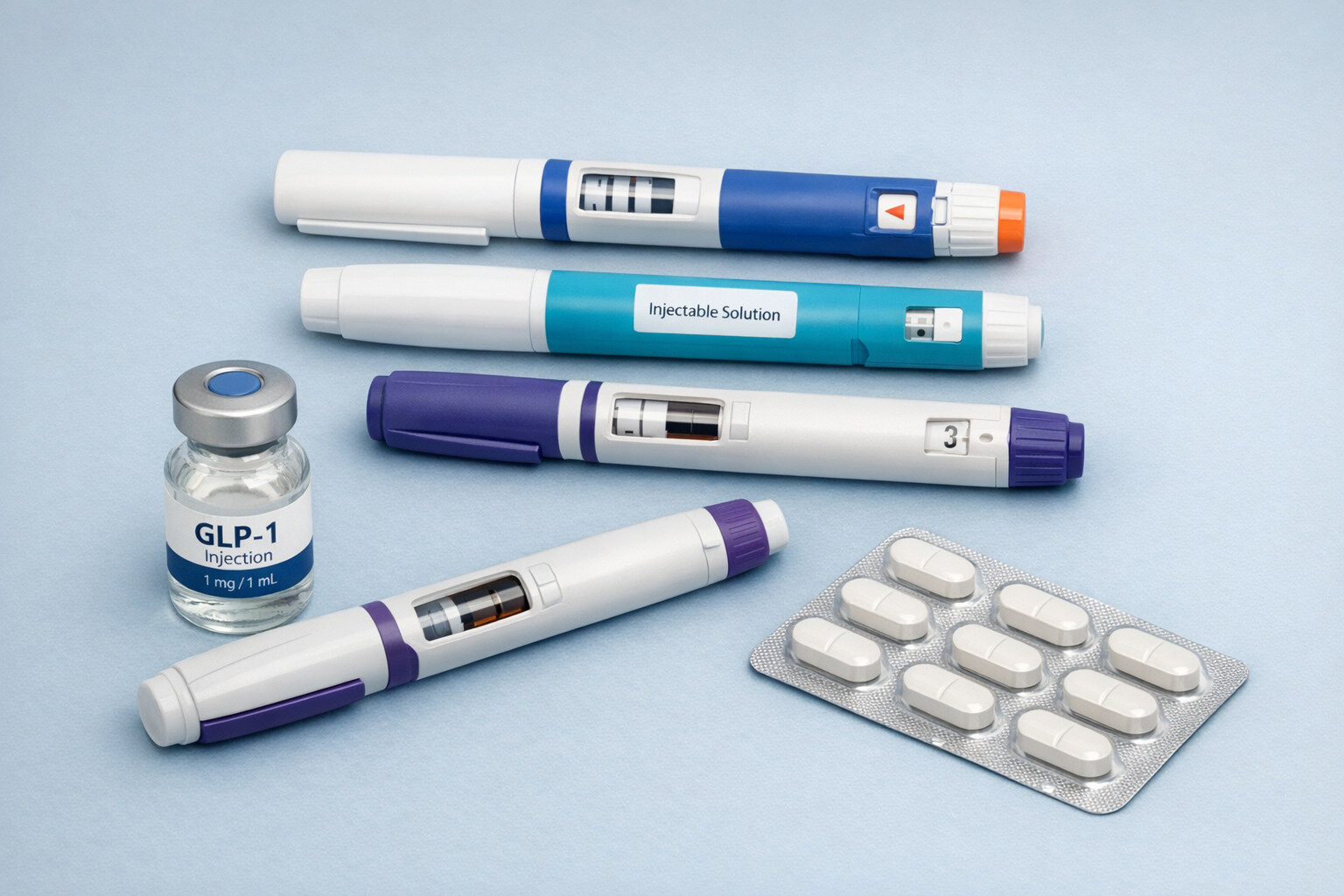
GLP-1 medications mimic a naturally occurring hormone that helps regulate appetite and blood sugar. Although Medicaid programs are generally required to cover most outpatient drugs, federal law allows states to exclude medications used for weight loss. Since 2022, 17 state Medicaid programs have elected to cover U.S. Food and Drug Administration–approved GLP-1 medications for weight loss, frequently using prior authorization requirements to manage access and costs.
, between January 2022 and March 2026. The data included prescriptions reimbursed through both fee-for-service Medicaid and Medicaid managed care programs.
Source link





