
This article has been reviewed according to Science X's editorial process and policies. Editors have highlighted the following attributes while ensuring the content's credibility:
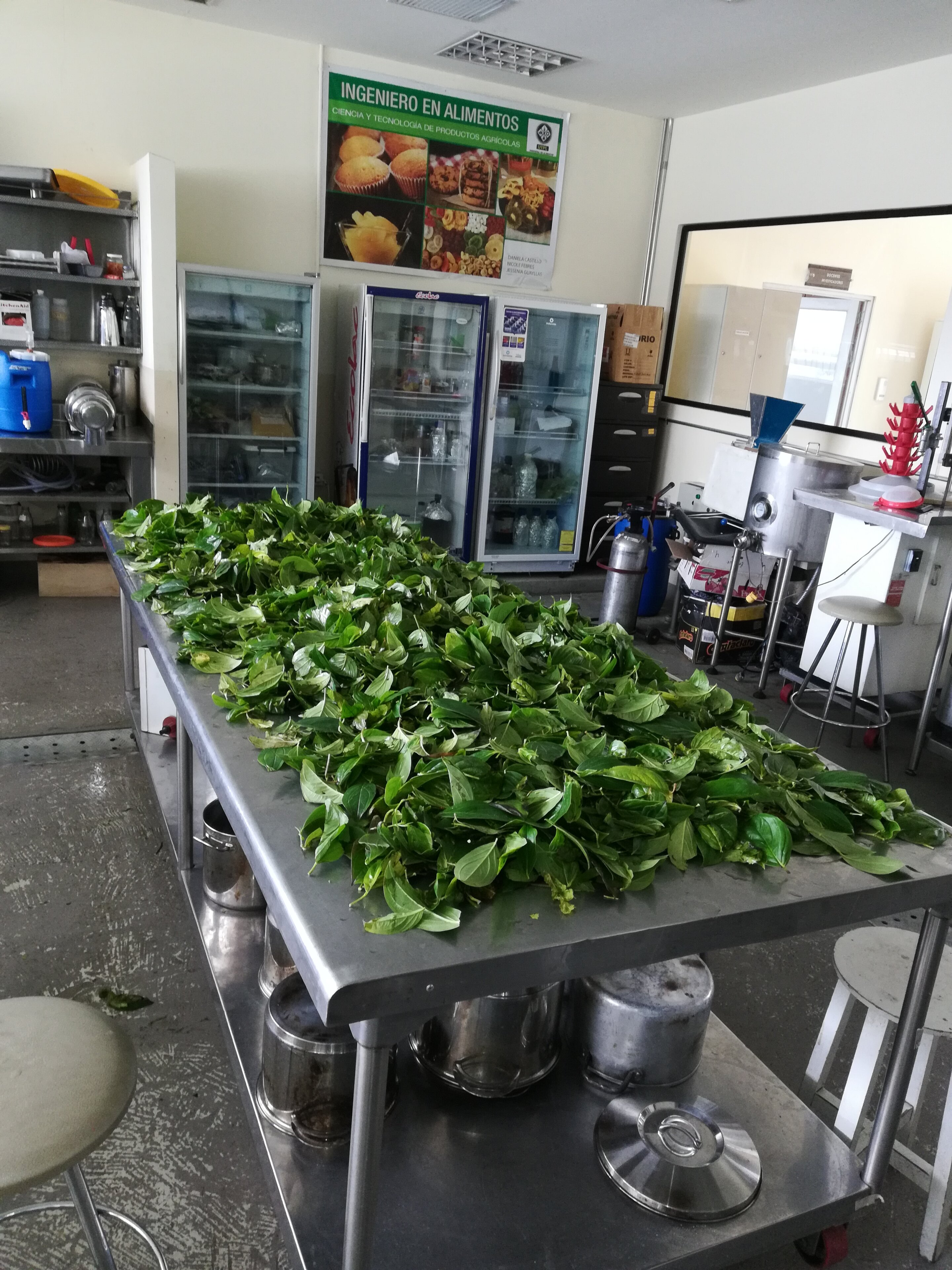
A plant traditionally used by Indigenous communities in Ecuador could have a new application: helping control bacteria in ready-to-eat foods. A study published in the journal Foods found that extracts of Piper carpunya, locally known as guaviduca, reduced the presence of Clostridium perfringens in a refrigerated risotto food model.
The extract prepared using a mixture of water and ethanol reduced bacterial levels approximately 100-fold compared with contaminated food without the extract. Previous research had already identified antimicrobial activity in P. carpunya, but its effectiveness when incorporated directly into food had yet to be evaluated.
The research team tested three types of extracts obtained from the plant's leaves against 20 microorganisms associated with foodborne illnesses and food spoilage. Eight microorganisms showed some degree of susceptibility, including C. perfringens, a bacterium capable of producing toxins and causing food poisoning.
The researchers then moved beyond laboratory testing by incorporating the most promising extracts into precooked risotto, which was stored at 5°C for 30 days. Some samples were deliberately inoculated with C. perfringens to determine whether the antimicrobial effect could be maintained within the food.
The most significant result was observed with the hydroethanolic extract, prepared using equal parts ethanol and water. In the contaminated risotto, it produced an approximately 2-log reduction in C. perfringens levels compared with the control group by day seven, equivalent to a roughly 100-fold decrease.
Source link





