This article has been reviewed according to Science X's editorial process and policies. Editors have highlighted the following attributes while ensuring the content's credibility:
The Regenerative Medicine Project at our institute is advancing therapeutic strategies for various diseases by introducing a range of modifications to human induced pluripotent stem (iPS) cells.
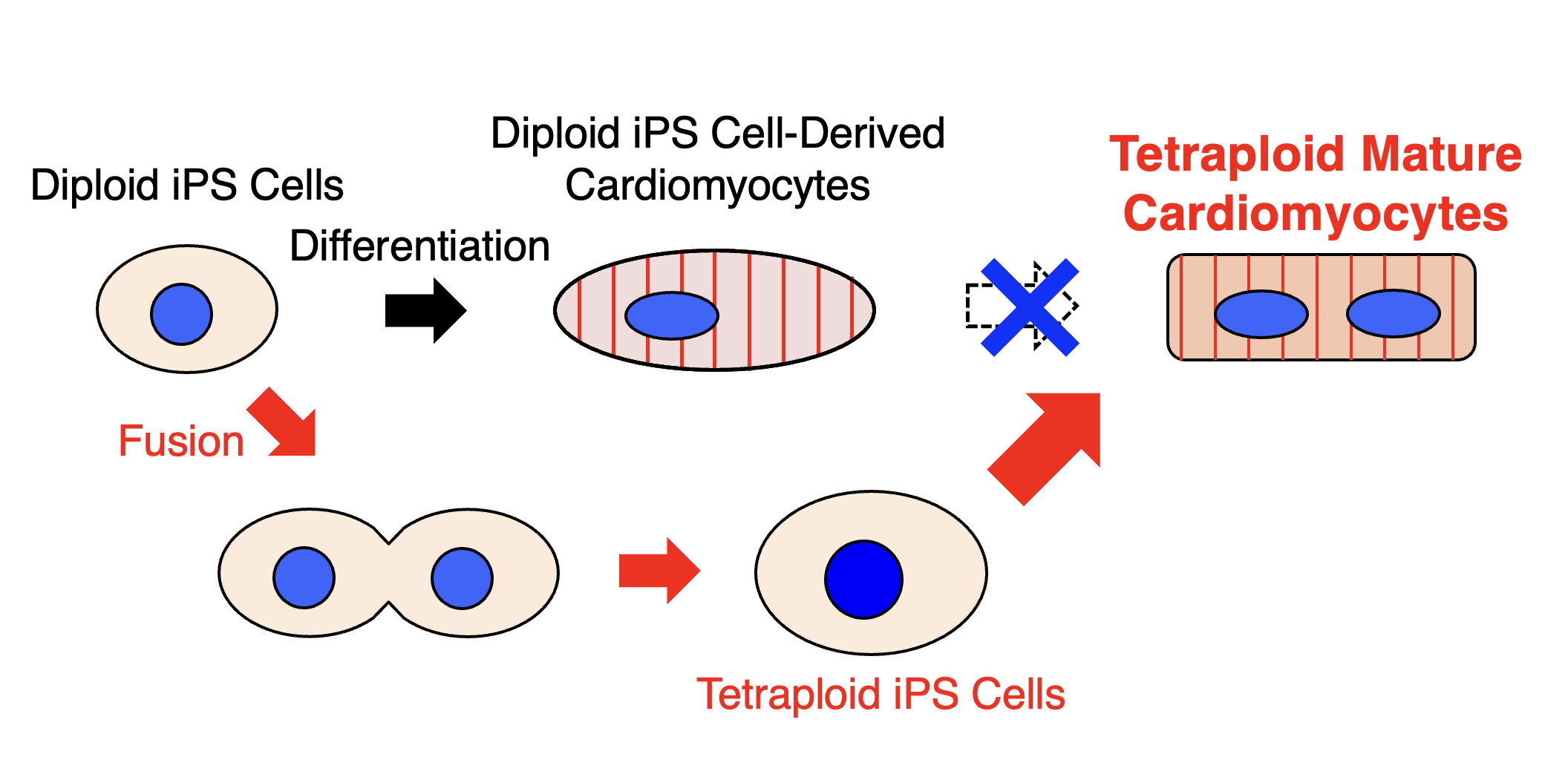
The researchers have established iPS cells with doubled chromosomes (tetraploid iPS cells) via cell fusion. By differentiating these tetraploid iPS cells into cardiomyocytes, they succeeded in developing a technology that replicates the chromosome doubling that occurs naturally in vivo during cardiomyocyte maturation, thereby enhancing cardiac function.
The research findings were published online in the journal Communications Biology on Monday, Aug. 17, 2026.
Human iPS cells, which can be generated from the cells of our own bodies and possess the ability to differentiate into any cell type, have opened up a wide range of possibilities for diverse medical applications. A research group led by project leader Yuichiro Miyaoka of the Regenerative Medicine Project at our institute is developing therapeutic approaches for diseases by applying genetic modifications to these human iPS cells.
—established iPS cells with doubled chromosome numbers (tetraploid iPS cells) via cell fusion.
Source link