
This article has been reviewed according to Science X's editorial process and policies. Editors have highlighted the following attributes while ensuring the content's credibility:
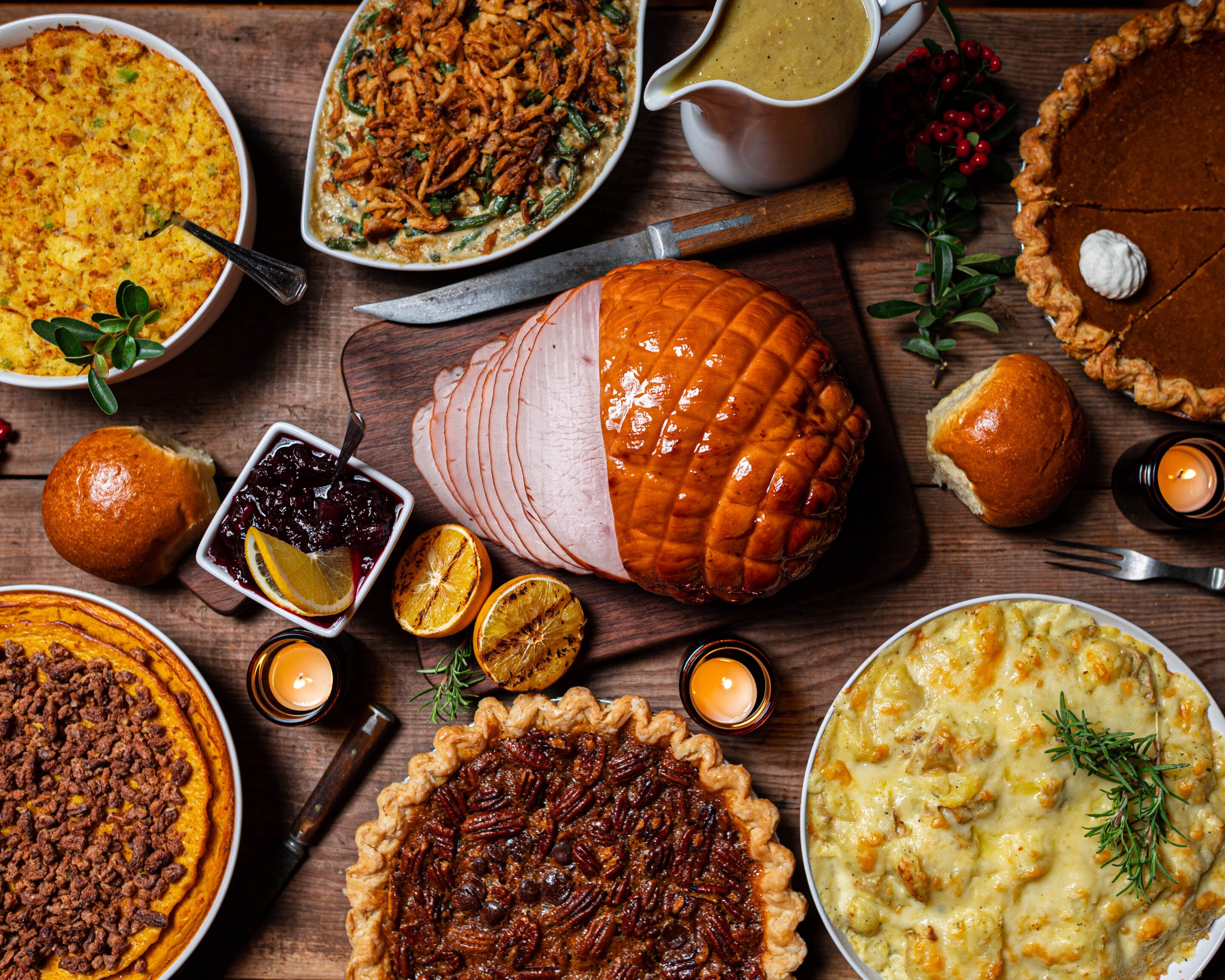
The plates are stacked high next to the sink, sticky with remnants of mashed potatoes, green bean casserole and pumpkin pie. The leftover stuffing is packed away. The bird has been picked clean.
One by one, family members across America slowly migrate to the couch, overcome with a blissful food coma unrivaled on other days of the year.
What causes it? Yes, it is the turkey, says Nicole Stob, an assistant teaching professor in the Department of Integrative Physiology at CU Boulder.
"But that's not the whole story," she says. "The Thanksgiving meal is really a perfect storm for feeling sleepy."
The essential amino acid is a critical building block for several compounds related to mood regulation and sleep. Those include serotonin, a calming neurotransmitter produced in the gut and brain; melatonin, which signals to the body that it's time to sleep; and niacin, a B vitamin important to nervous system health.
The average slice of turkey contains about 250 mg of tryptophan, a paltry amount compared with the thousands of milligrams contained in over-the-counter dietary supplements targeting sleep. And loads of other foods, including chicken, beef, Swiss cheese and chia seeds, also contain tryptophan.
But when tryptophan-containing foods like turkey are eaten with a large carbohydrate-loaded meal, the sedating impact of tryptophan can be amplified for several reasons, says Stob.
It goes like this: When you ingest a ton of carbs, your pancreas produces a ton of insulin, which in turn ushers the nutrients that you eat—including other amino acids—into your bodily tissues.
Source link





