
This article has been reviewed according to Science X's editorial process and policies. Editors have highlighted the following attributes while ensuring the content's credibility:
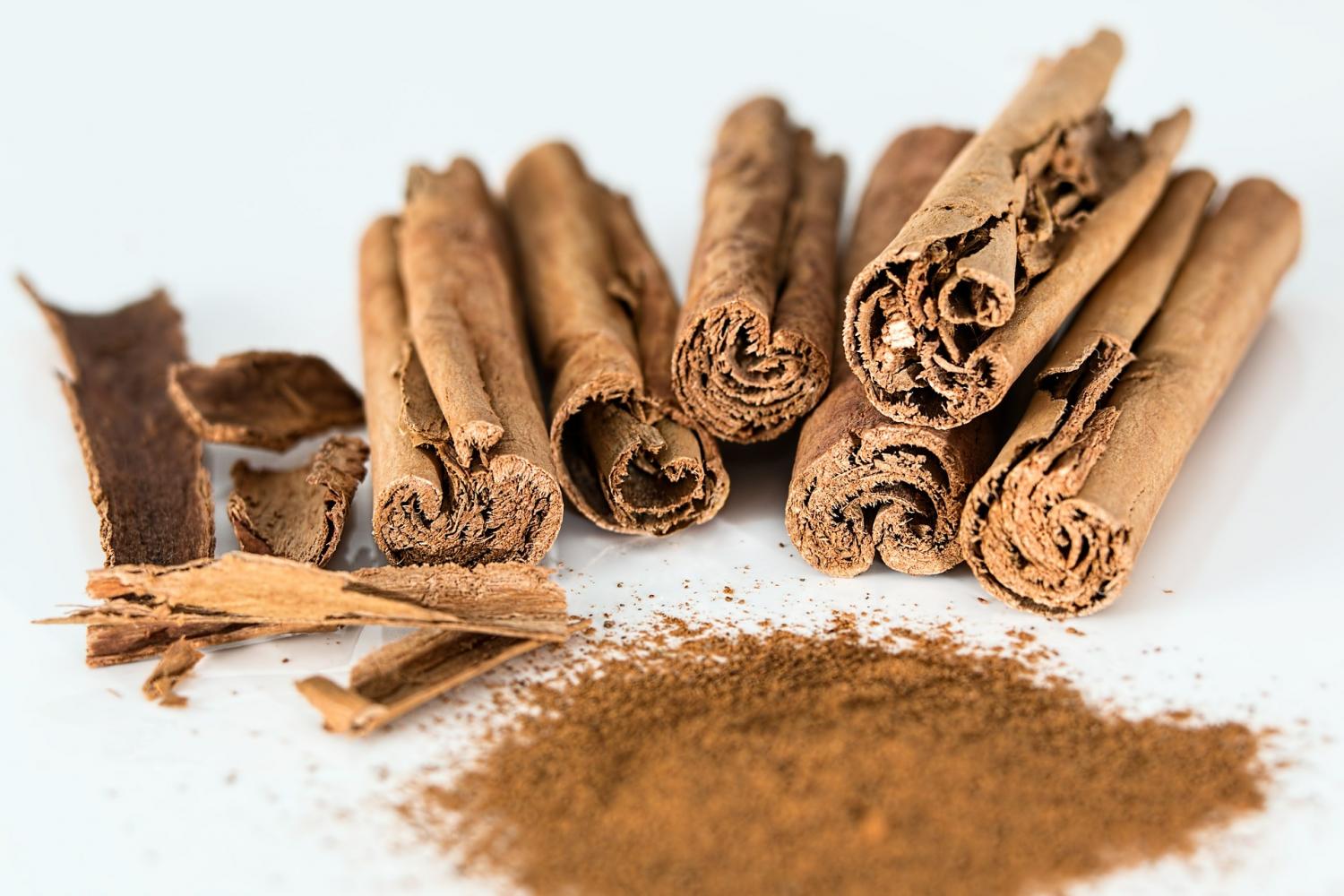
Cinnamon toast, cinnamon-flavored applesauce and cookies baked with cinnamon are hallmarks of a cozy childhood. But parents and caregivers may want to watch serving sizes, as too much cinnamon could add to lead exposure in young children who also experience exposure from other sources, according to a study conducted by researchers at the University at Buffalo School of Public Health and Health Professions.
"Lead has been detected in cinnamon that is used at home and incorporated into many commercial food products," says Katarzyna (Kasia) Kordas, Ph.D., professor in the Department of Epidemiology and Environmental Health and the principal investigator of the study, which was published Nov. 3 in the Journal of Xenobiotics.
"The impact of dietary Pb (lead) exposure on children's blood lead levels is not fully understood, particularly with respect to spice consumption," she says.
What is known is that childhood exposure to lead contributes to cognitive deficits and other adverse health effects, which Kordas, an environmental epidemiologist with training in nutritional sciences, has investigated over her academic career.
Young children, she notes, can absorb up to 40%–50% of ingested lead in their gastrointestinal tract compared to 3%–10% in adults.
, professor; and former graduate students Marissa Camacho and Pavani Mohan—collaborated with the New York State Department of Health's Wadsworth Laboratory to examine the effects of ground cinnamon on the blood lead levels of children between the ages of 3 and 5.
Source link





