
This article has been reviewed according to Science X's editorial process and policies. Editors have highlighted the following attributes while ensuring the content's credibility:
Malaria is one of the deadliest infectious diseases on the planet, afflicting people throughout recorded history. In places where malaria is most common, it's shaped human evolution by driving higher rates of a paradoxically protective genetic change. Two copies of the genetic change cause sickle cell disease, but one copy helps protect people from malaria. Understanding why could help researchers develop new ways to prevent malaria.
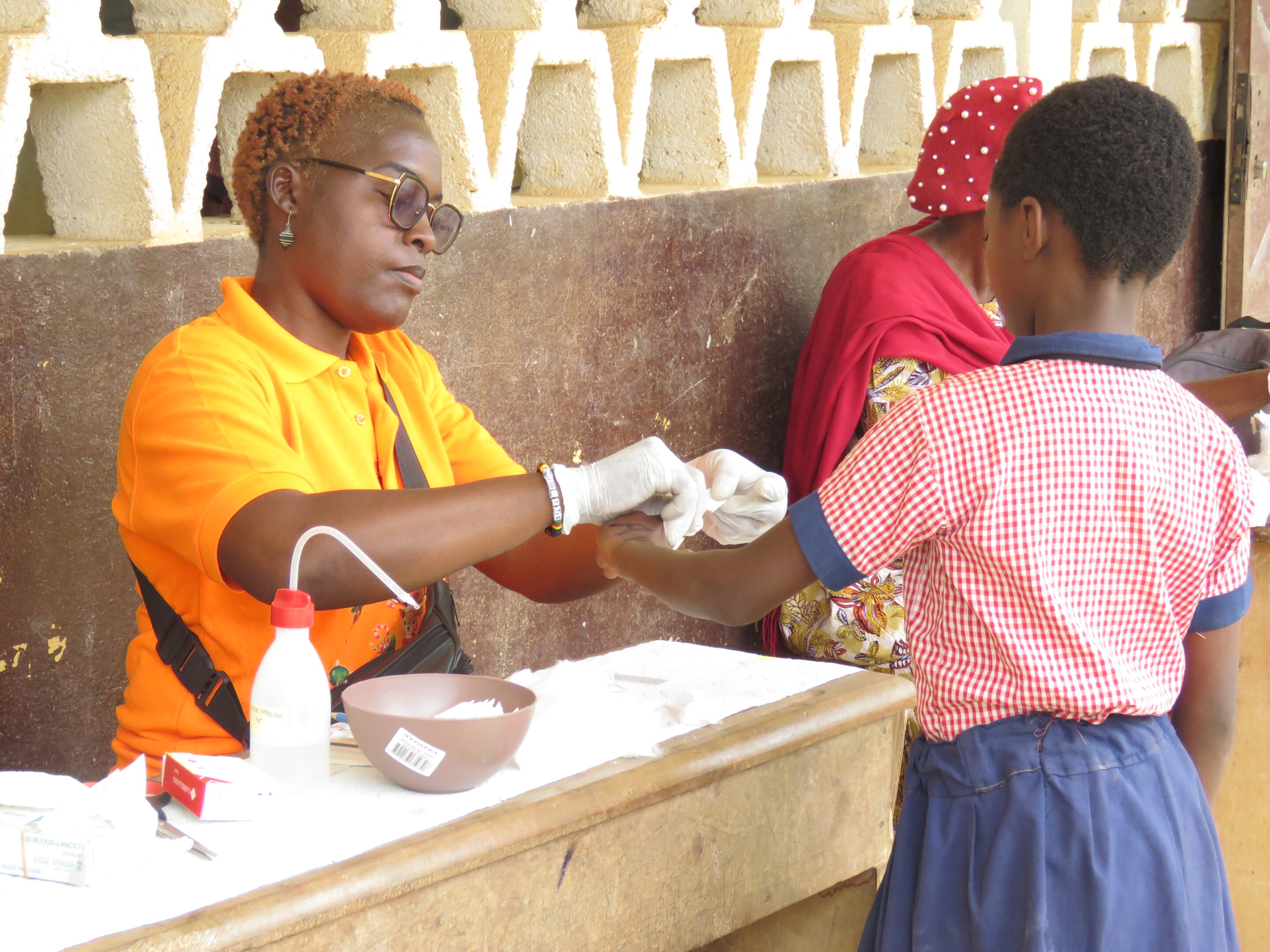
Now, a new study that investigates the genetics of people and malaria parasites has found that people with the sickle cell variant are almost exclusively infected by a distinct variety of malaria parasites, which might contribute to their lower rates of disease.
"Sickle cell trait may protect against malaria, not only by changing how the human host responds to infection, but also by shaping which parasites are able to survive and establish infection," says Sandrine Nsango, Ph.D., associate professor of molecular biology in the Faculty of Medicine and Pharmaceutical Sciences at the University of Douala, researcher at the Center Pasteur du Cameroun, head of the Department of Biomedical Sciences in the Faculty of Science at the University of Bertoua, and one of the senior authors of the study.
"It's still kind of surprising that it was under the radar. , assistant professor of human genetics at University of Utah Health and one of the senior authors of the study.
Source link





