
This article has been reviewed according to Science X's editorial process and policies. Editors have highlighted the following attributes while ensuring the content's credibility:
Researchers at the University of Cincinnati College of Medicine have identified a previously unknown way the body's muscles absorb glucose from the blood—without insulin.
The breakthrough findings from the lab of Judith A. Heiny, Ph.D., professor emerita in the Division of Neurobiology and Integrative Physiology in the Department of Biomedical Sciences, were recently published in the journal Communications Biology and could open the door to new treatments for diabetes, hyperglycemia and insulin resistance that directly target this pathway in muscle tissue.
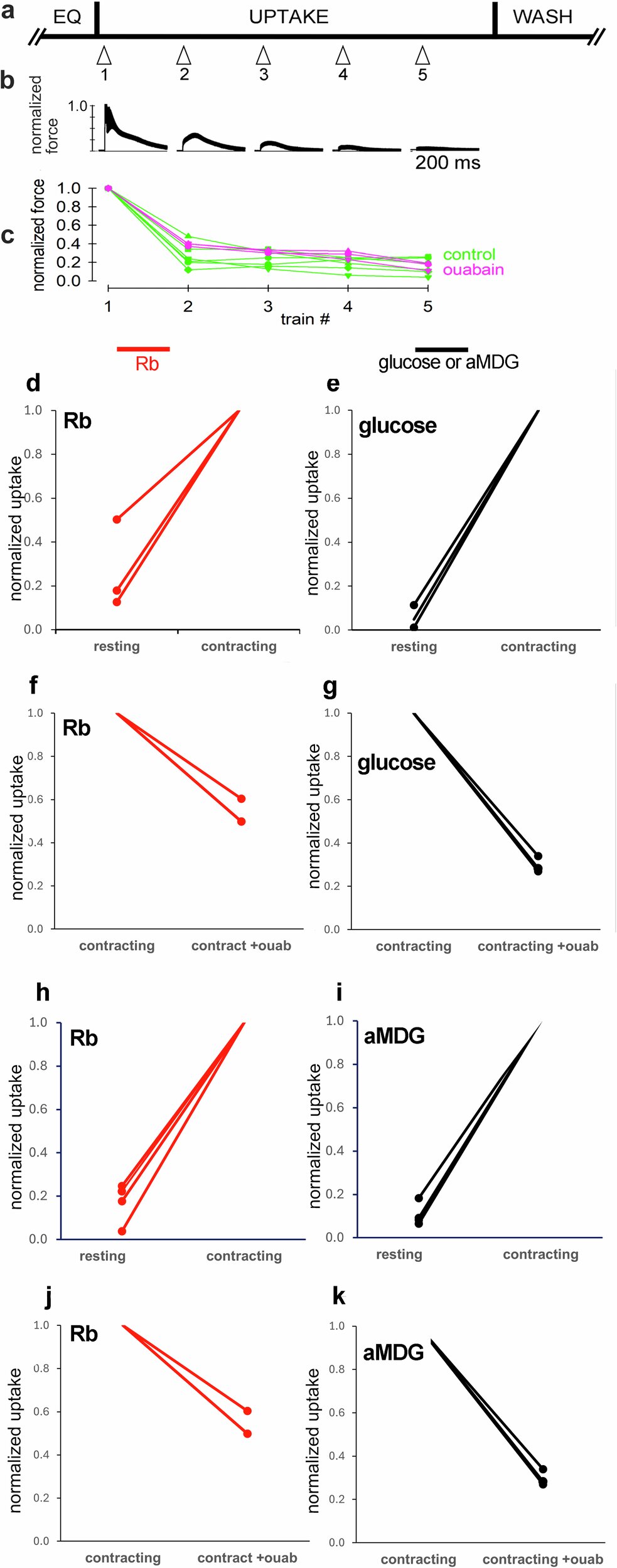
"This insulin-independent process uses a glucose transport protein in skeletal muscle and may offer a drug target for controlling blood sugar," said Heiny, the study's co-corresponding author. "The skeletal musculature is the natural depot for glucose. It has a huge capacity to regulate blood sugar, which can be a struggle for those with diabetes and insulin resistance."
This newly identified pathway, called mSGLT, shares properties with SGLT2, the glucose transporter in the kidneys targeted by widely used drugs such as Jardiance.
"A therapy that targets glucose uptake by skeletal muscles could be as impactful as SGLT2 inhibitors that lower blood sugar by stimulating the kidneys to excrete excess glucose in the urine," said Natalie Norman, Ph.D., the study's first author. Norman contributed to the research as a UC graduate student and is now a postdoctoral researcher at the Karolinska Institute in Stockholm, Sweden.
Skeletal muscle makes up about 40% of the human body and plays a major role in blood glucose regulation.
Source link





