This article has been reviewed according to Science X's editorial process and policies. Editors have highlighted the following attributes while ensuring the content's credibility:
It is generally safe for adults ages 70 and older who take statins to prevent cardiovascular disease but who have not had a heart attack or stroke to discontinue taking the cholesterol-lowering medications, according to new, independent, preliminary late-breaking science presented Saturday at the American Heart Association's Scientific Sessions 2026 in Chicago.
About 25% of U.S. adults are estimated to have high low-density lipoprotein-cholesterol (LDL-C), or "bad cholesterol," which can build up in the arteries, affecting blood flow and increasing the risk of heart attack and/or stroke. Statin therapy is the foundation of lipid-lowering and risk reduction, which includes primary prevention aimed at preventing a first heart attack or stroke, as detailed in the association's 2026 joint guideline on dyslipidemia.
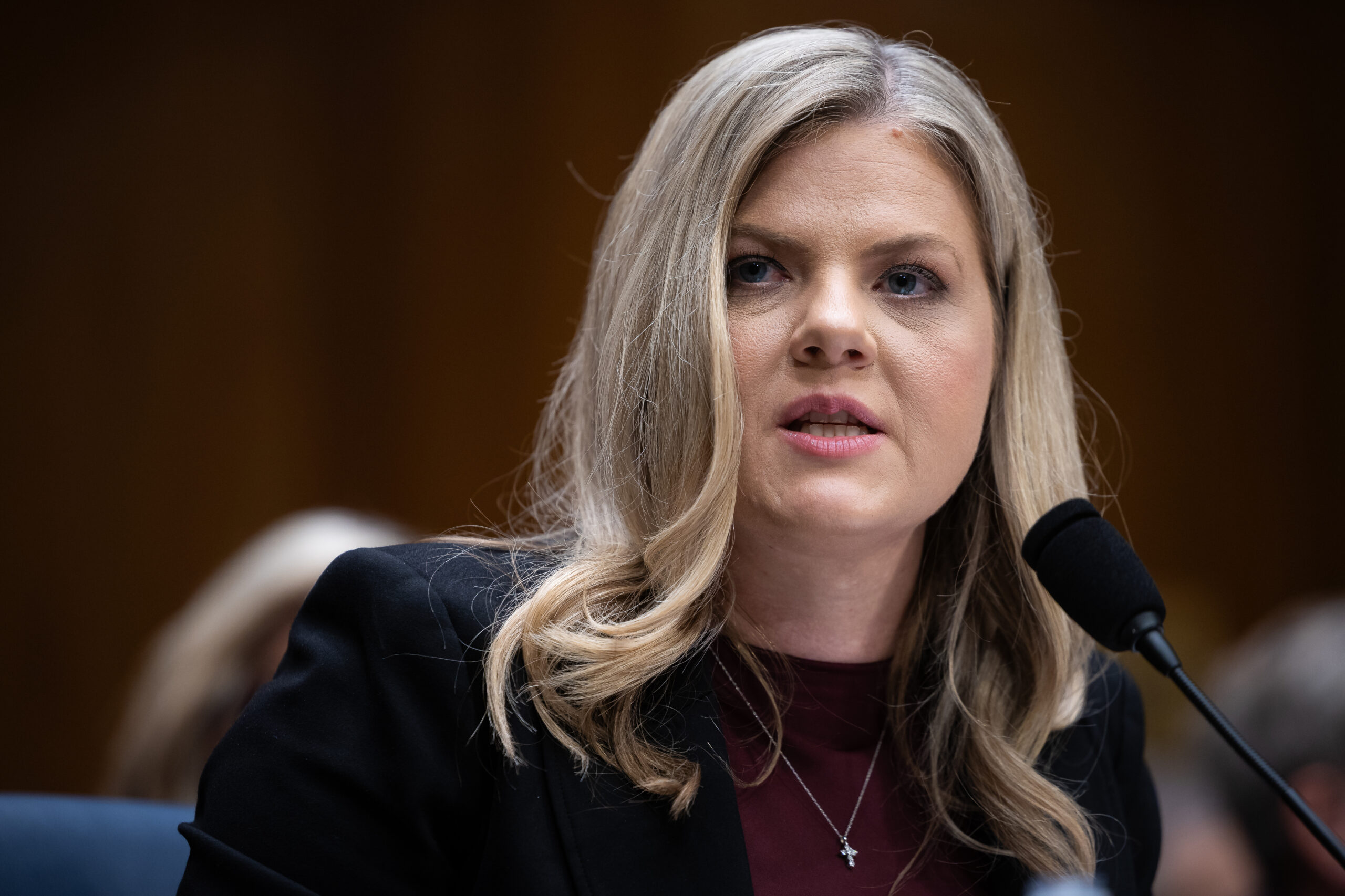
"While the association's recent joint guideline recommends lifestyle and potentially medication for people with high LDL-C at younger ages to reduce the risk of heart attack and stroke, recent studies question the health benefits of continuing statins in the later decades of life," said study author Rita F. Redberg, M.D., M.Sc., FAHA, professor of cardiology and the Araxe Vilensky Endowed Chair in Cardiology at the University of California, San Francisco School of Medicine.
"A few previous studies assessed the safety of discontinuing statins for primary prevention at age 70 and later, and they found no difference in mortality. One study suggested quality-of-life improvements after stopping statins.
Source link