This article has been reviewed according to Science X's editorial process and policies. Editors have highlighted the following attributes while ensuring the content's credibility:
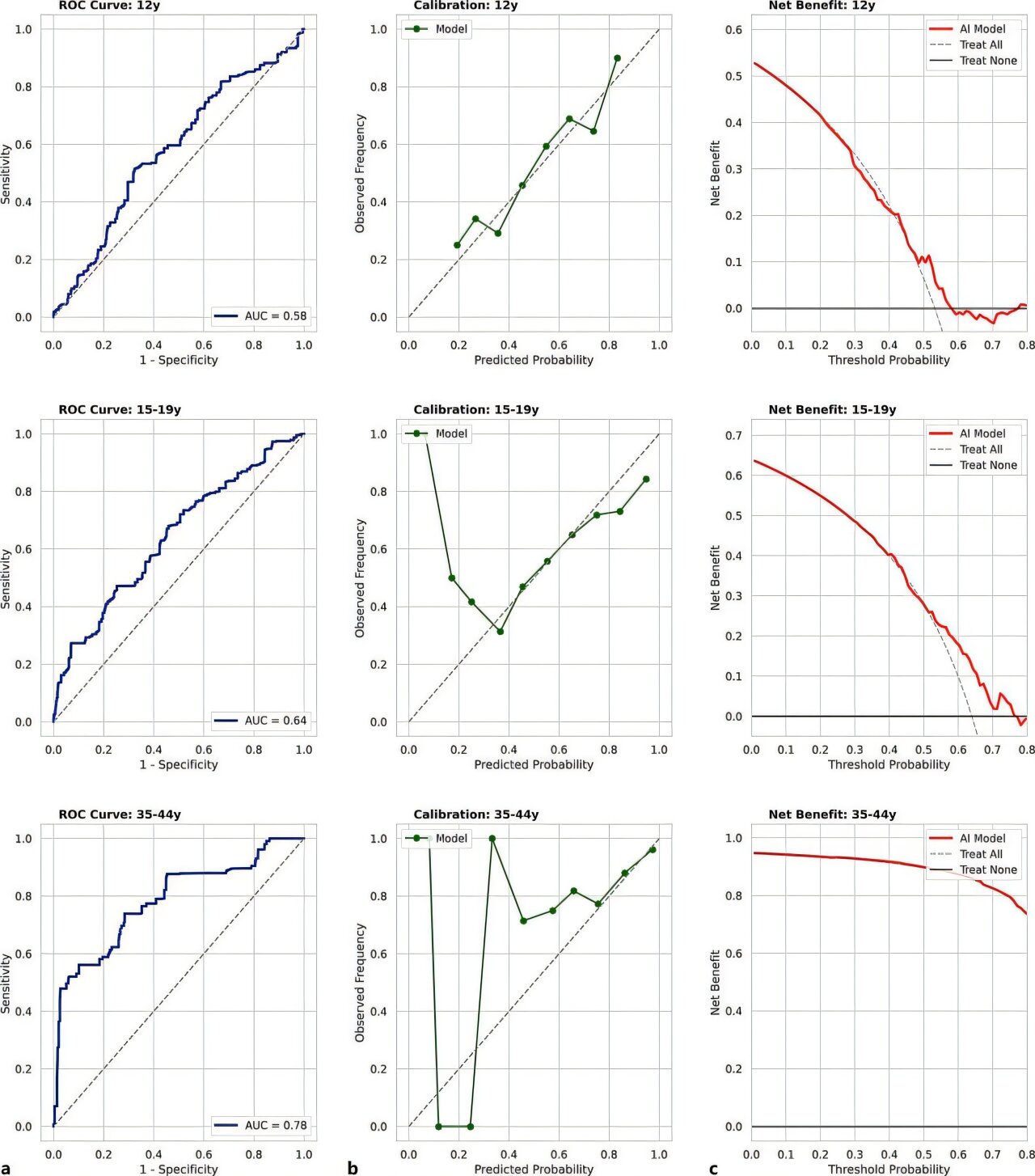
An international team of researchers is leveraging artificial intelligence to predict who is at high risk for cavities. The findings, published in the journal Caries Research, could help identify population clusters most at risk for tooth decay based on larger social determinants of health rather than on clinical diagnostics at the individual level.
"The emergence of AI offers a transformative opportunity for public health surveillance and risk stratification, including addressing the global burden of cavities," said Fernando Neves Hugo, chair of the Department of Epidemiology and Health Promotion at NYU College of Dentistry and the study's senior author. "These are powerful tools that could be helpful for targeting resources and delivering preventive care to specific groups that will benefit the most."
Dental cavities are the most common health condition globally, affecting billions of people across all age groups. Cavities are driven by a range of factors, many of which occur at the population level rather than the individual, including access to dental care, diet and sugar consumption, and water sources.
AI algorithms allow researchers to analyze large, complex data sets to find patterns that otherwise would be difficult to pinpoint. Hugo and his colleagues applied a series of AI models to existing data from the Brazilian Oral Health Survey, a national epidemiological study coordinated by the Brazilian Ministry of Health. They focused on data from 23,726 people who took part in the 2023 survey, including children, adolescents and adults.
Source link