
This article has been reviewed according to Science X's editorial process and policies. Editors have highlighted the following attributes while ensuring the content's credibility:
Drones carrying defibrillators could arrive ahead of ambulances at hundreds of cardiac arrest incidents each year, potentially creating opportunities for earlier treatment, according to new research. The study, published in the journal Reliability Engineering & System Safety, also found they could improve emergency response coverage in parts of Scotland.
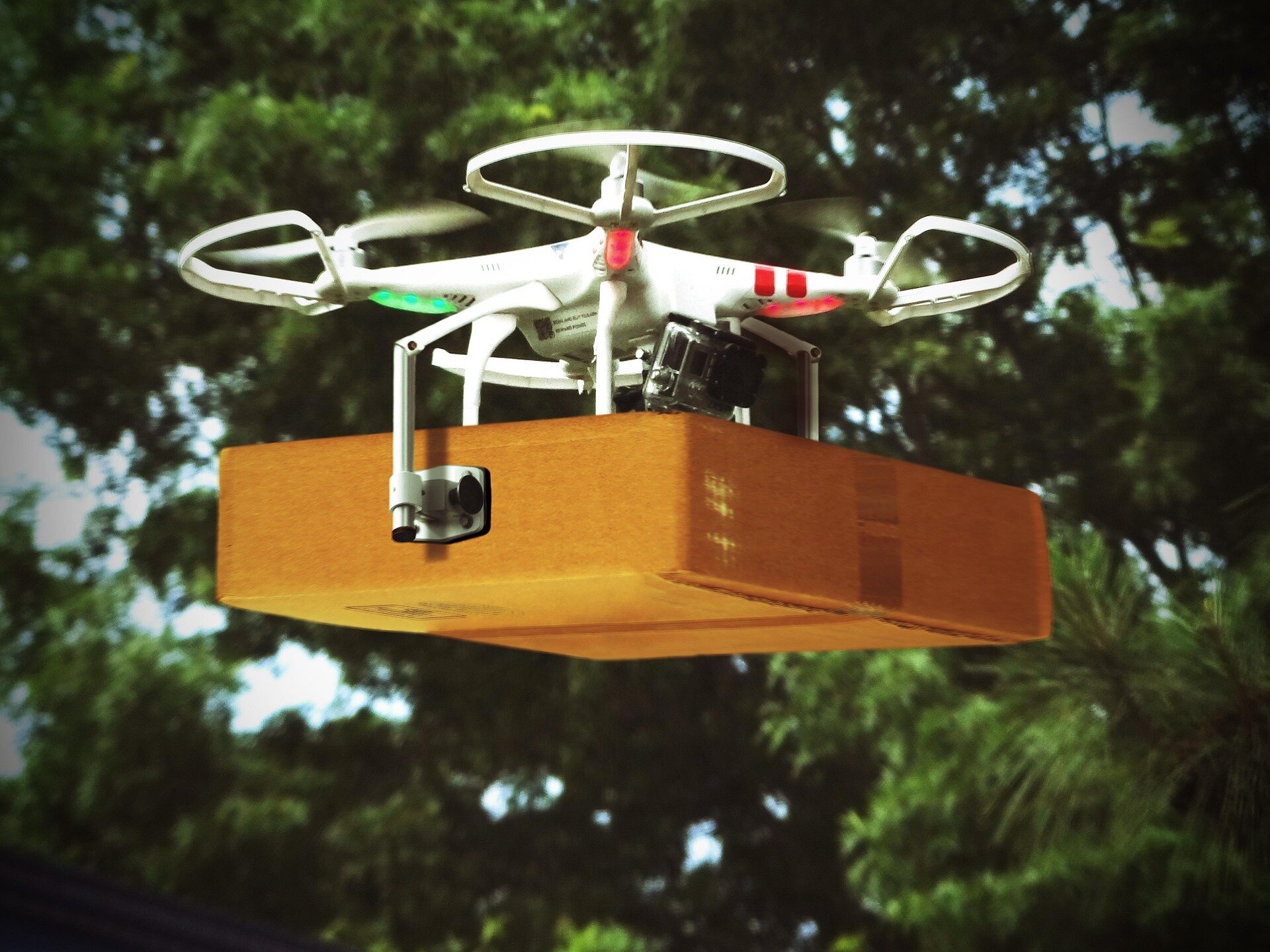
The University of Strathclyde–led research modeled networks of drones capable of rapidly delivering automated external defibrillators (AEDs) to people experiencing an out-of-hospital cardiac arrest.
More than 3,000 people experience an out-of-hospital cardiac arrest in Scotland each year. Rapid intervention is critical, with previous studies suggesting that a patient's chance of survival falls by around 7% to 10% for every minute without intervention.
Using real Scottish cardiac arrest and ambulance response data, researchers found that a modeled drone network covering NHS Greater Glasgow and Clyde could make about 490 deliveries a year in which a drone would arrive at least one minute before an ambulance.
In NHS Grampian, which includes large rural areas where emergency response can be more challenging, drones were estimated to arrive at least one minute ahead of an ambulance in around 195 cases a year.
The modeling, which focused on defibrillator delivery rather than treatment, also indicated that drones could substantially increase the proportion of cardiac arrest incidents where an AED could be delivered within six minutes.
In Greater Glasgow and Clyde, recorded ambulance data showed that 24% of cardiac arrest incidents received a response within six minutes.
Source link





