This article has been reviewed according to Science X's editorial process and policies. Editors have highlighted the following attributes while ensuring the content's credibility:
Doctors have long recommended investing in physical health for its potential long-term benefits, especially as we age. Over 30 years, regular exercise might help preserve our functional ability.
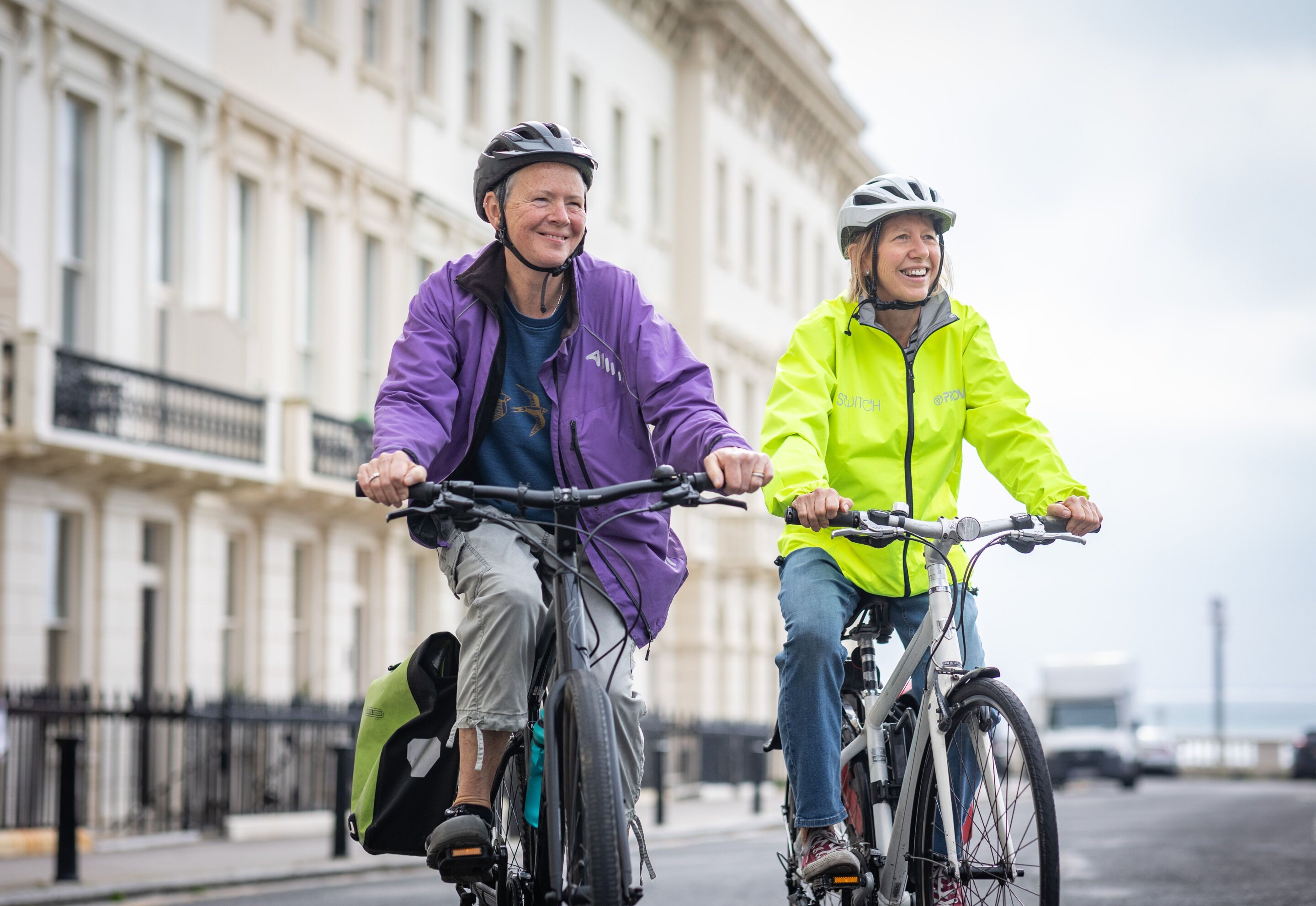
A recent study published in GeroScience explored what happens to the body after decades of regular aerobic exercise. Researchers looked at whether activities like running, cycling and swimming can help older adults maintain their vitality capacity, or the body's physiological reserve.
The concept of vitality capacity came into focus after the United Nations declared 2021–2030 the Decade of Healthy Ageing in 2015, shifting attention toward a broader definition of healthy aging. Rather than simply tracking illness, the focus turned to preserving functional ability, or an older person's capacity to do the things they value. Vitality capacity is often assessed using biomarkers across three key areas: immune and stress response, energy and metabolism, and neuromuscular function.
In their study, the researchers compared adults who had done structured aerobic exercise at least three times a week for the past 30 years with adults who had led mostly sedentary lives. They found that maintaining an aerobic exercise routine was associated with higher vitality capacity in older adults, particularly in immune and stress response. Active adults had better blood oxygen levels at rest and higher heart rate variability , both strong indicators of the ability of the heart and nervous system to adapt to the body's changing demands.
Source link