
This article has been reviewed according to Science X's editorial process and policies. Editors have highlighted the following attributes while ensuring the content's credibility:
Parkinson's disease is a progressive brain disorder that damages dopamine-producing neurons, causing symptoms to worsen over time. The disease is associated with motor difficulties that can manifest as tremors, stiffness, poor balance and slow movements. However, the disease reaches beyond movement, affecting how people think, perceive the world around them and sleep. Caregivers and health care workers often report that cognitive decline, excessive daytime sleepiness (EDS) and perceptual distortions add to the burden of the disease and can take the greatest toll on quality of life.
A recent study published in Science Translational Medicine looked into what happens when the brain's sleep-associated slow waves show up during waking hours in people with Parkinson's disease.
Normally, these waves do some important housekeeping while we sleep, helping maintain healthy brain activity, regulate metabolism and clear waste from the brain. However, these waves do change in people with neurodegenerative diseases. The researchers wanted to find out whether their occurrence during the day is linked to mind wandering and problems with thinking.
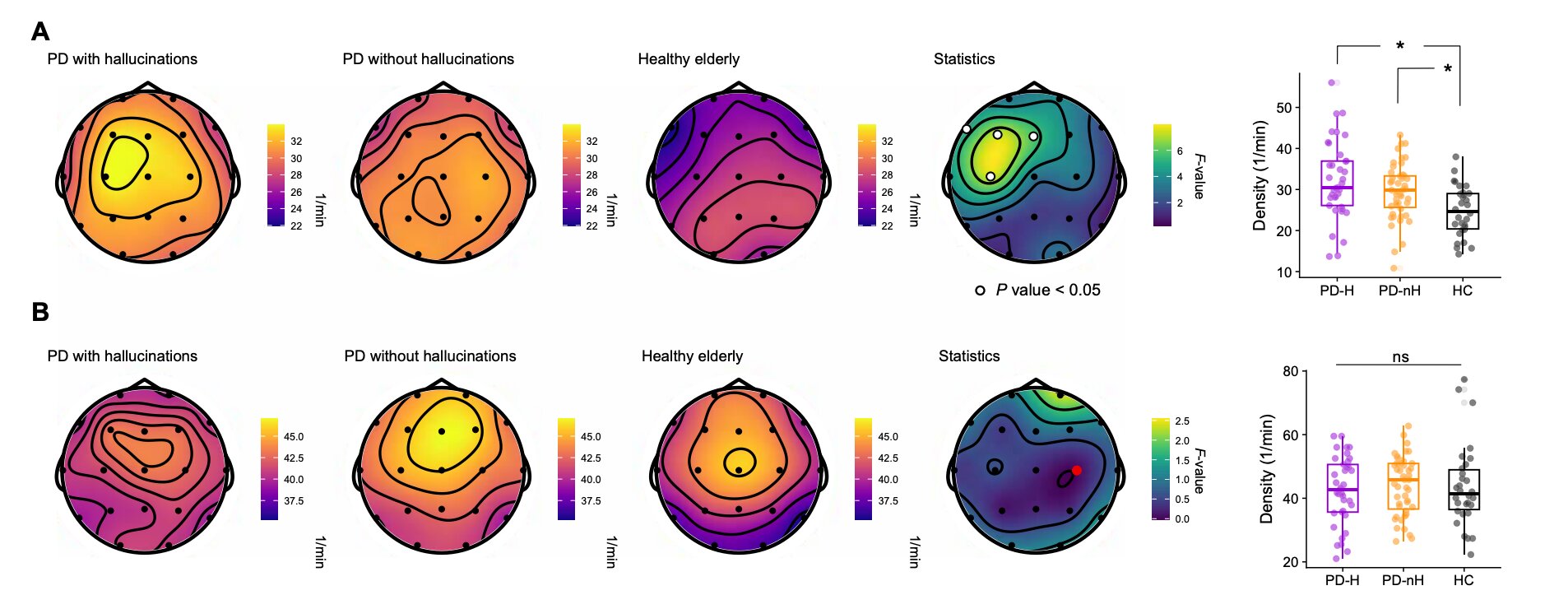
Researchers recorded the brain activity of 84 people with Parkinson's disease who did not have dementia and 30 healthy older adults using EEG while they rested with their eyes open. The recordings revealed that people with Parkinson's experienced sleep-like slow waves far more frequently while awake than their healthy counterparts. The more these waves occurred during the day, the lower their cognitive scores tended to be, particularly in tests of memory and attention.
Source link





