This article has been reviewed according to Science X's editorial process and policies. Editors have highlighted the following attributes while ensuring the content's credibility:
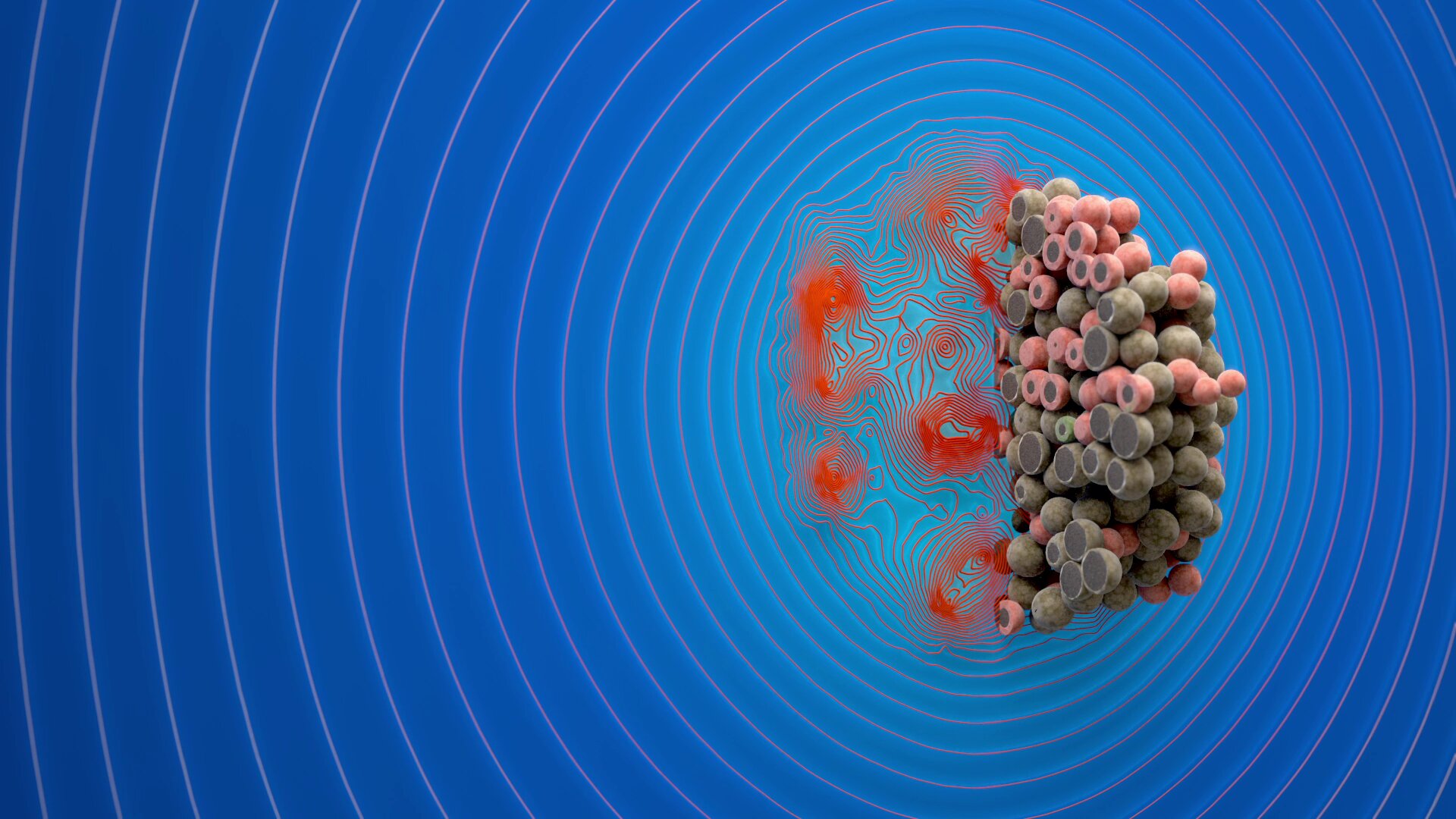
The Earth's magnetic field may influence how cells produce energy, physical performance and even lifespan, according to new research from the University of Nottingham.
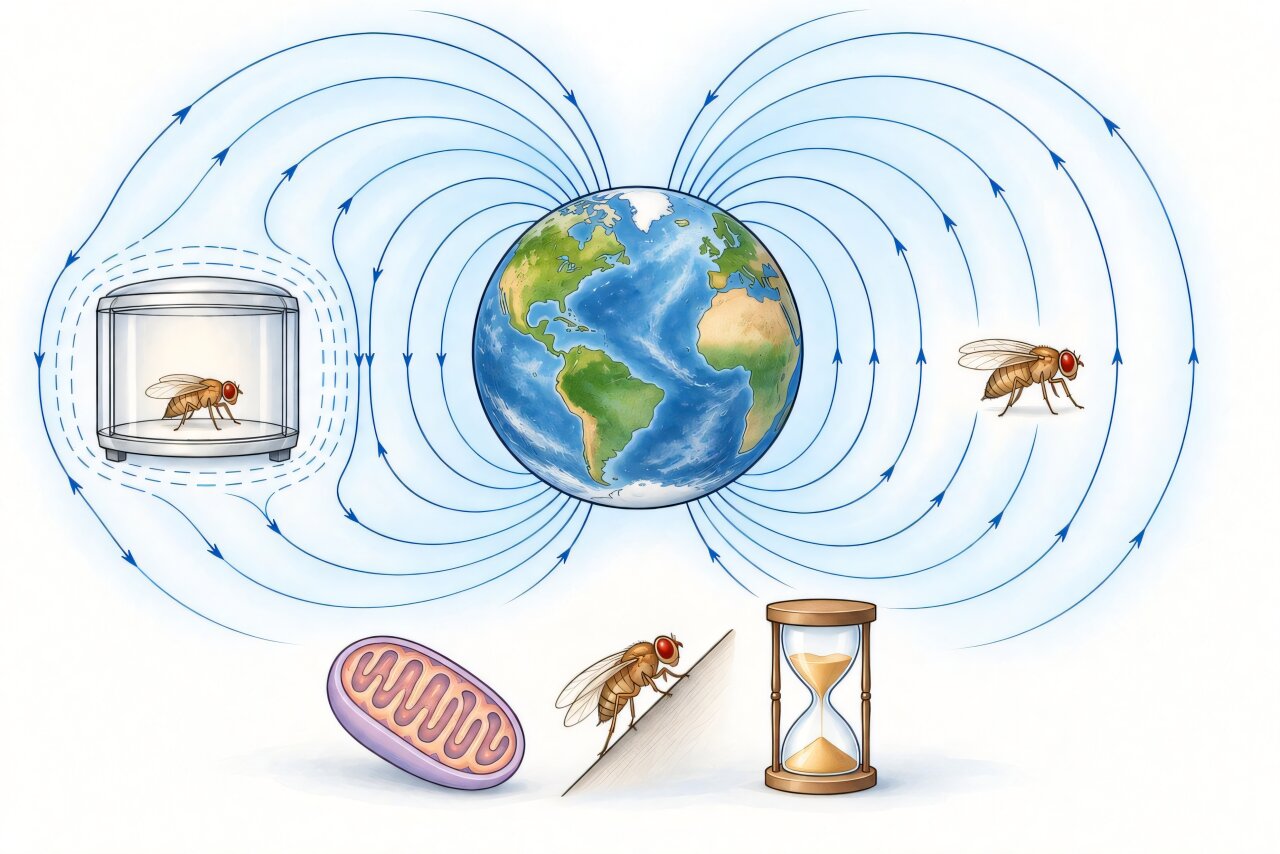
In a study using fruit flies, researchers found that shielding flies from the Earth's magnetic field altered mitochondrial function, lifespan and physical performance—with strikingly different effects depending on the health of the flies' mitochondria.
The findings, published in the journal Aging, offer new insight into how this invisible environmental force may interact with fundamental biological processes, with potential implications for our understanding of aging and neurodegenerative disease. The study was led by professor Lisa Chakrabarti and Jacob Reed from the University of Nottingham's School of Veterinary Medicine & Science.
Chakrabarti said, "We live our entire lives within the Earth's magnetic field. It passes through our bodies, our cells and every living organism on the planet, yet we know surprisingly little about whether and how this invisible force affects the way our cells work.
"Our results raise the intriguing possibility that the Earth's magnetic field forms part of the biological environment to which life has adapted throughout evolution. Understanding how cells sense and respond to magnetic fields could ultimately reveal new ways of manipulating mitochondrial function in aging and disease."
The research team investigated what happens when the Earth's magnetic field is almost completely removed. Using a specially designed magnetic shielding system, they reduced the magnetic field surrounding fruit flies to near zero.
Source link