This article has been reviewed according to Science X's editorial process and policies. Editors have highlighted the following attributes while ensuring the content's credibility:
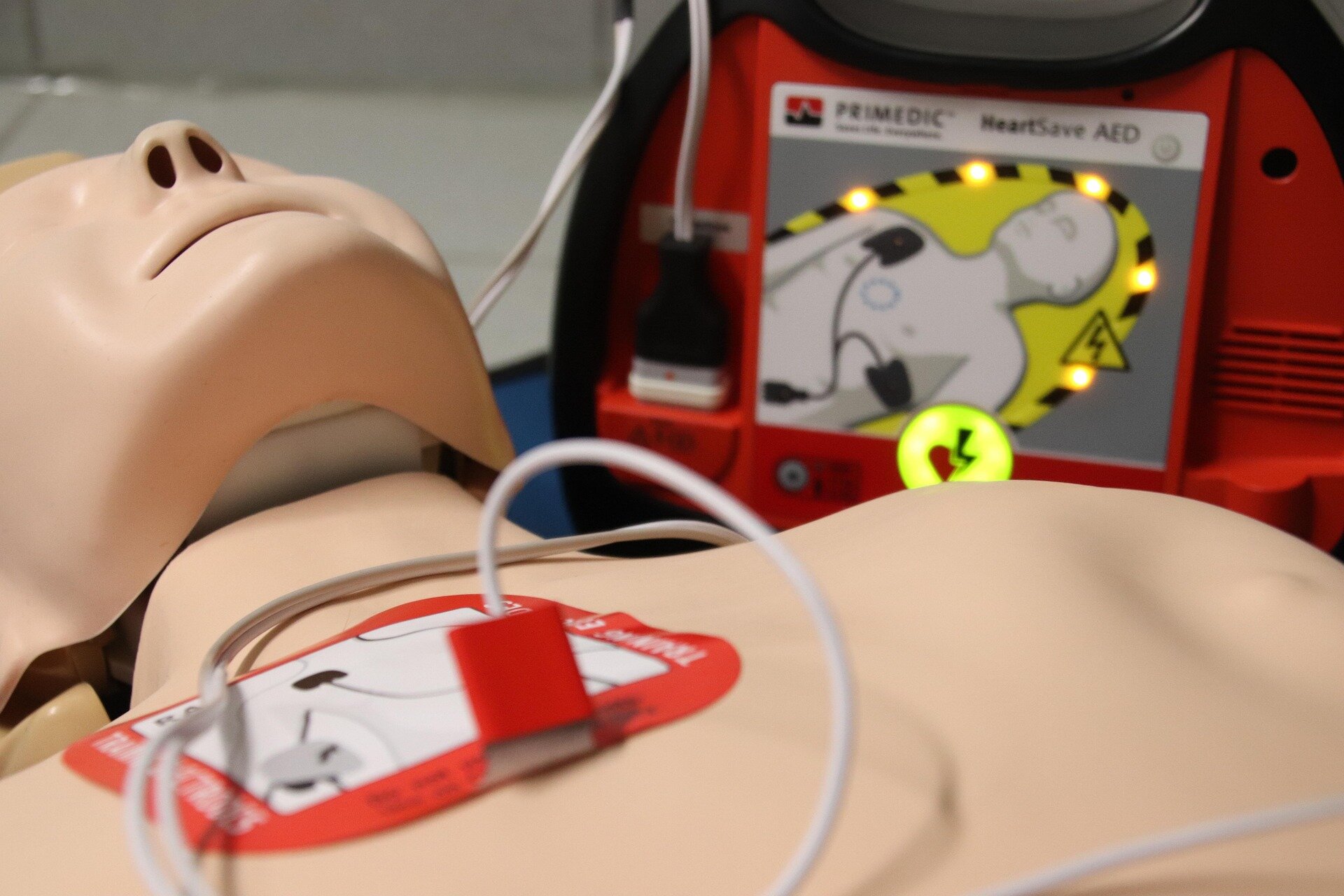
A comprehensive emergency medical services and community-based educational intervention in North Carolina focused on recognizing out-of-hospital cardiac arrest and actions needed quickly to increase bystander CPR and use of an automated external defibrillator (AED) did not significantly improve patient survival with favorable brain function, according to new, independent, preliminary, late-breaking science presented Sunday at the American Heart Association's Scientific Sessions in Chicago.
"Your chance of survival while waiting for emergency medical services during a cardiac arrest decreases by 10% every minute without CPR," said study author Carolina Malta Hansen, M.D., Ph.D., a cardiologist and clinical research associate professor at Herlev and Gentofte Hospital and Copenhagen EMS in Denmark. "The RACE-CARS trial was an ambitious effort to improve cardiac arrest outcomes across entire communities, including rural areas where emergency care often relies on volunteer first responders."
The five-year trial included 60 counties in North Carolina that were randomly assigned to receive the cardiac arrest educational intervention or continue their existing cardiac arrest response practices. Researchers implemented a series of efforts aimed at improving early care and outcomes for people who experienced out-of-hospital cardiac arrest.
The intervention program included community-wide CPR education and training, and an EMS component that included training 911 dispatchers to quickly recognize cardiac arrest and guide callers through CPR, as well as enhanced first-responder efforts, including increased use of defibrillation before EMS arrival.
Source link