
This article has been reviewed according to Science X's editorial process and policies. Editors have highlighted the following attributes while ensuring the content's credibility:
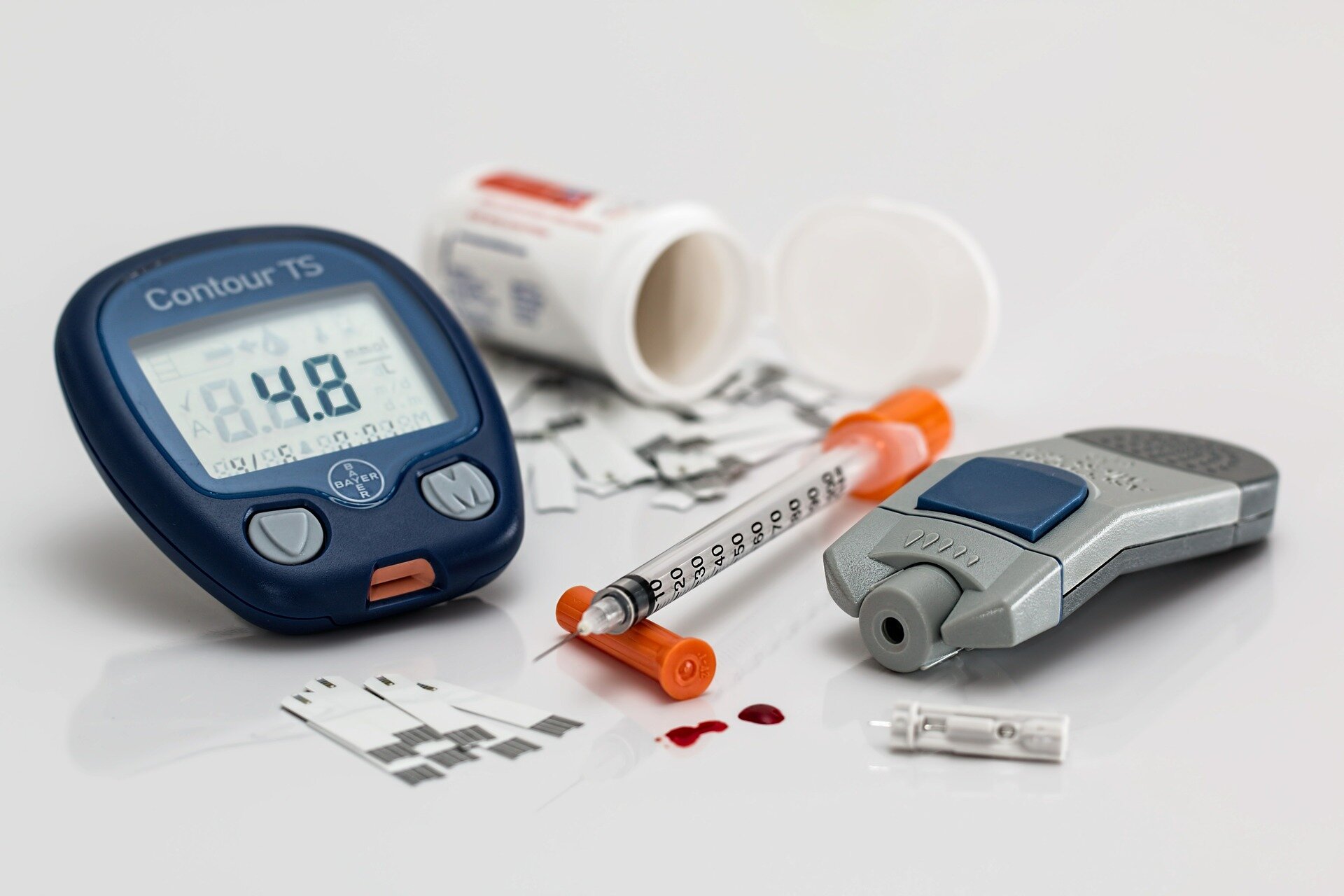
A Baylor College of Medicine–led team is raising awareness about applying the widely used values of insulin dose-adjusted hemoglobin A1c (IDAA1c) when screening for partial type 1 diabetes remission in youth with overweight or obesity. The study appeared in Diabetes Care.
"After a person is diagnosed with type 1 diabetes and receives insulin treatment, some still produce a meaningful amount of their own insulin for a time. This temporary stage, known as partial remission or the 'honeymoon phase,' is associated with better blood sugar control, fewer episodes of low blood sugar and potentially a lower risk of long-term diabetes complications," said corresponding author Dr. Maria J. Redondo, professor of pediatrics—diabetes and endocrinology at Baylor and Texas Children's Hospital. "Because of these benefits, researchers and clinicians are interested in accurately identifying who is in this phase."
The most accurate way to measure remaining insulin production is through a laboratory test called a stimulated C-peptide test. However, this test is time-consuming and not practical for routine clinical use. Instead, many doctors and researchers use IDAA1c, a calculation based on two readily available measurements: hemoglobin A1c (a marker of average blood sugar levels) and daily insulin dose. An IDAA1c value of nine or less has traditionally been used to indicate partial remission.
S. youth, of whom a large proportion is overweight or obese," said first author Dr.
Source link





