
This article has been reviewed according to Science X's editorial process and policies. Editors have highlighted the following attributes while ensuring the content's credibility:
Chronic intestinal inflammation drives cardiac dysfunction through a gut microbiota-dependent pathway, suggesting a potential therapeutic target for reducing cardiovascular risk in patients with inflammatory bowel disease (IBD), according to a study led by researchers in the Institute for Biomedical Sciences at Georgia State University.
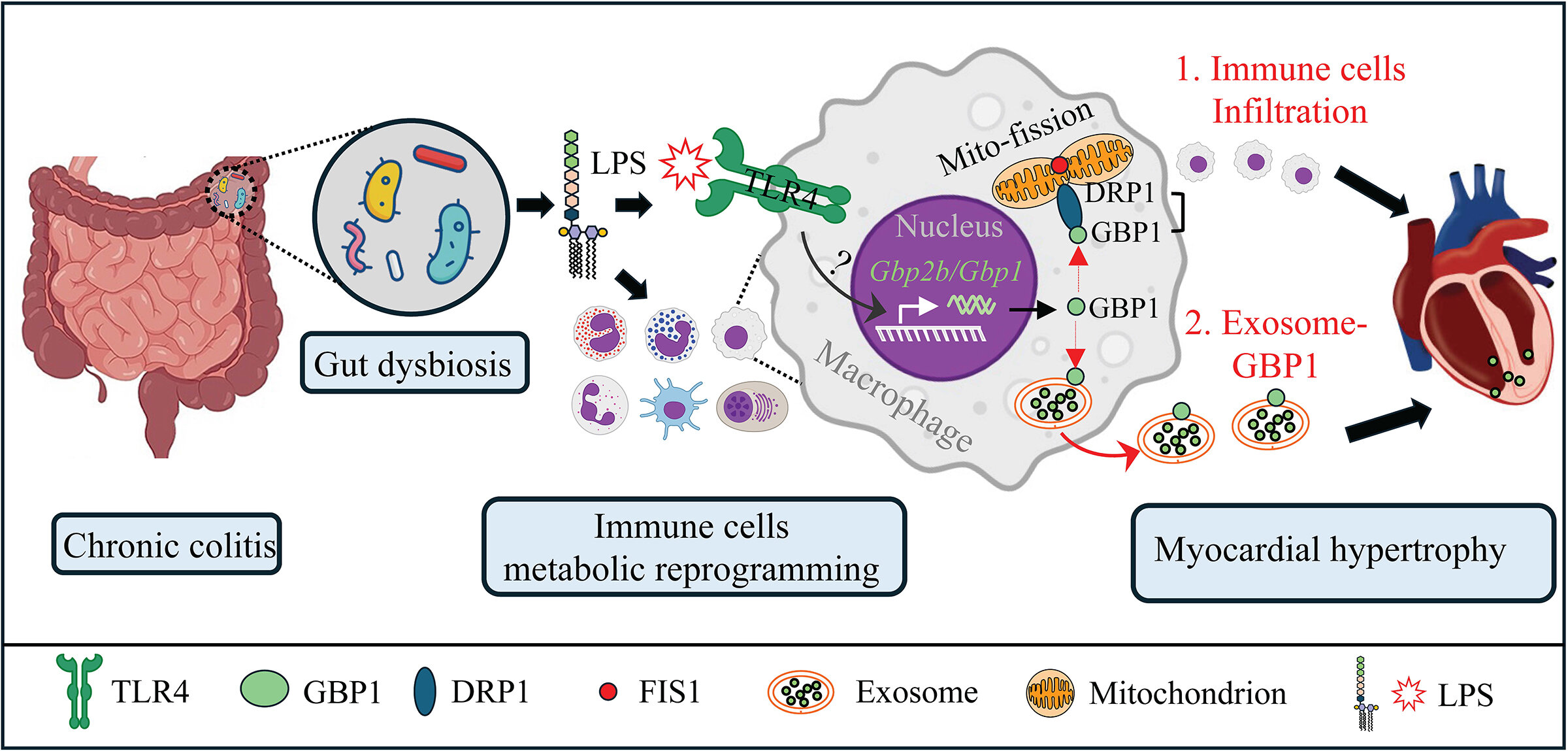
The findings, published in the journal Circulation Research, demonstrated that gut microbiota dysbiosis (an imbalance in the different microorganisms living together in a microbiome) associated with chronic colitis (inflammation of the colon) causally contributes to cardiac hypertrophy and cardiac dysfunction by driving metabolic and mitochondrial reprogramming of systemic immune cells in mice. Mitochondria are cell organelles that generate most of the chemical energy needed to power the cell's biochemical reactions.
Cardiovascular disease is a leading cause of global morbidity and mortality. People with IBD, which includes chronic inflammatory conditions of the digestive tract, have an increased risk of cardiovascular complications. IBD is also associated with changes in the gut microbiota, the community of microorganisms that normally lives in the intestine. However, exactly how these changes in the gut contribute to heart problems has remained unclear.
In this study, the researchers used a chronic colitis mouse model to assess gut microbiota dysbiosis, systemic immune cell metabolism and cardiac remodeling. Transferring gut microbiota from mice with colitis to healthy mice was sufficient to alter immune cell metabolism and promote cardiac abnormalities, providing evidence that changes in gut microbes can contribute to the effects of intestinal inflammation on the heart.
Source link





